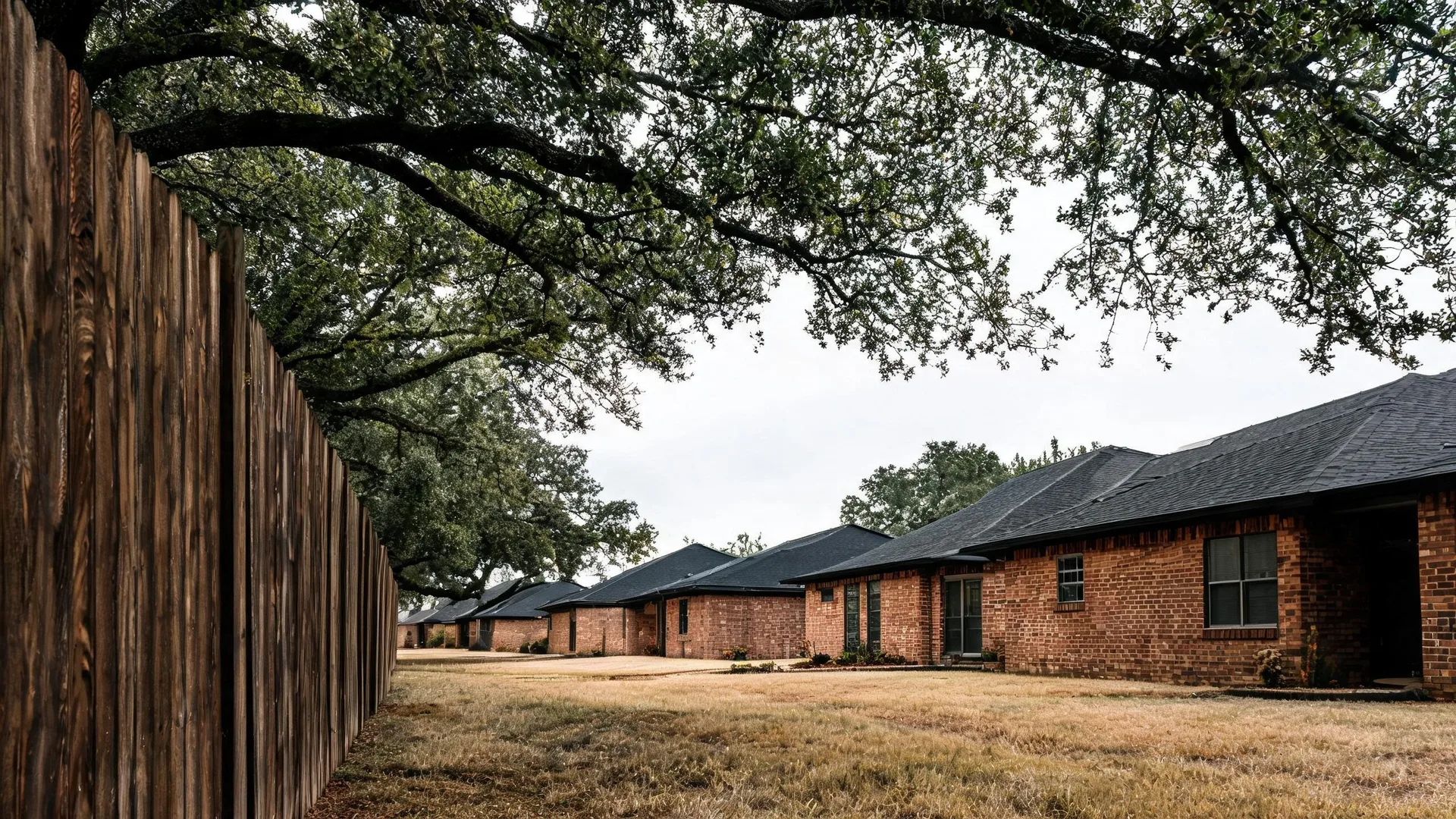
A row of single-story brick buildings with dark shingled roofs stands beyond a dry grass lawn, with a tall weathered wood fence along the left side and large oak branches overhead.

Furnace Installation in Bartlesville, OK

Tell us about the job

Takes about a minute. No obligation.

New system or replacementFurnace or heatingWashington County, OK
Step 1 of 2

What ZIP code is the job in?

Storms come through this county often

Washington County recorded 114 severe weather events between 2015 and 2024. That includes 56 damaging wind events, 46 hail events, 5 tornadoes and 7 winter storms. A furnace installed here needs to hold up to that record, not just the odd bad night.
Power doesn't always stay on

A quarter of Oklahoma households went at least 24 hours without power in 2024. A gas furnace still needs electricity to run its blower and controls, so an outage affects heat the same way it affects anything else in the house that plugs in.

7 months
October through April, your furnace is on duty
27°F
the average winter night it heats against
63%
of homes here heat with gas, so most furnaces here burn gas
80% AFUE
the federal minimum any new unit must meet
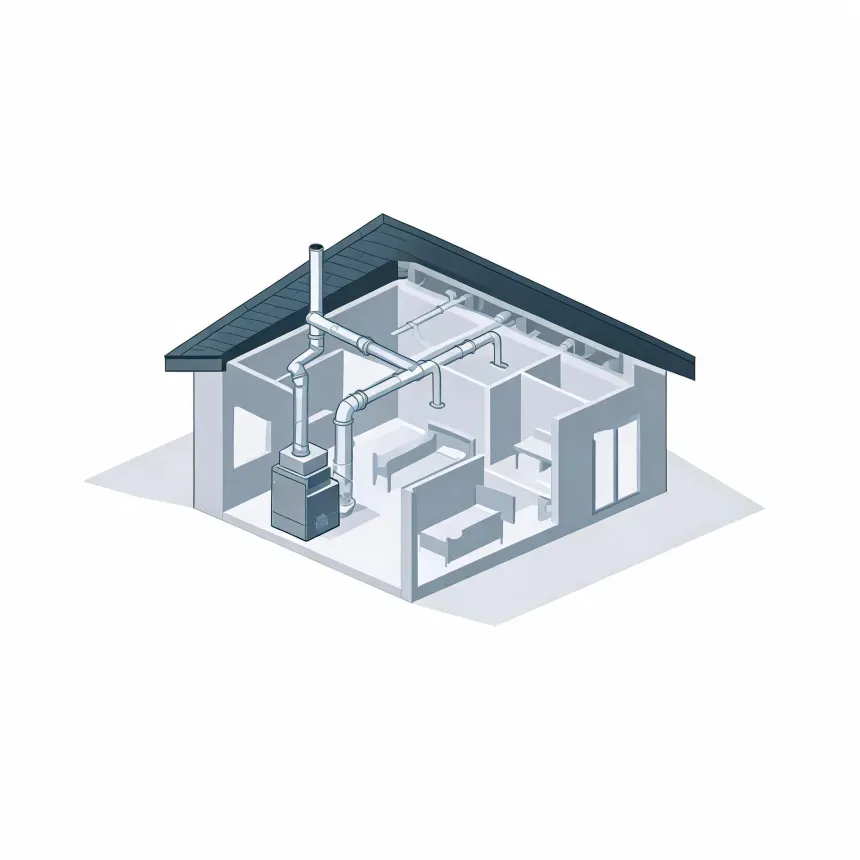
Isometric cutaway illustration of a small single-story house showing interior rooms, a furnace unit with a flue, and connected ductwork running below the dark gabled roof.
Your furnace works hardest from November through March.

NOAA nClimDiv, 1991–2020 normals

Furnaces here start running in October.

Get yours installed in September and the first cold night won't be the one deciding whether you have heat.

Gas here is cheap, so the payback math points to reliability, not the efficiency rating

Climate zone 4A
Heat runs October through April
Winter nights average 27°F
Most furnaces here run on gas62.8% of homes in Washington County heat with utility gas

Half the homes in Washington County were built in 1971 or earlier. If yours is one of them, the ductwork and gas line were put in for whatever furnace came with the house, not necessarily the one going in now. A new furnace that doesn't match what's already there can run into airflow problems or short cycling, no matter how good the unit is on its own. None of that shows up on a spec sheet. It comes down to what's already in your walls and under your house, which is worth checking before anything gets installed.

Plan the install around the power going out, not just the cold

Ask about a battery backup or interlock for the blower when you talk to a contractor, so heat doesn't depend on the power staying on. Ask too where the outdoor unit will sit, since hail and wind are part of the picture here, not the exception.

Find a contractor
A gas furnace with attached ductwork, gas piping, and condensate lines installed in a concrete-block basement.

What to ask before you decide, not after

A furnace install outlasts whatever system you compare it against today, so the questions worth asking are about what happens years in. Ask what the warranty covers on the heat exchanger versus everything else, since that part is the most expensive to replace and the one most likely to fail only after the labor warranty has run out. Ask how loud the blower runs on high, especially with a variable-speed unit, since that's the speed it will actually use most of the time once it's sized right. Ask what maintenance the manufacturer requires to keep the warranty valid, because some require annual service records and some don't. A furnace that looks identical to another on a spec sheet can differ in how many times its igniter is rated to cycle on and off over its life, and cycling is what a furnace does every single day it runs.

The size of the job decides most of the cost

A straight swap, same spot, same vent, same gas line, is the cheapest kind of install. Cost moves once anything changes around the furnace. Moving the unit, resizing the ductwork, adding a return, or running new gas line all take time and material beyond the furnace itself. The furnace is only part of what gets installed.

The furnace itself is not one price

Furnaces vary by stage and by blower type. A single-stage furnace with a fixed-speed blower runs one way, on or off. A variable-speed furnace adjusts its output and its airflow through the day, which takes more parts to do it. The higher the efficiency rating, the more venting work it usually needs, since a high-efficiency furnace vents through PVC pipe instead of a metal flue.

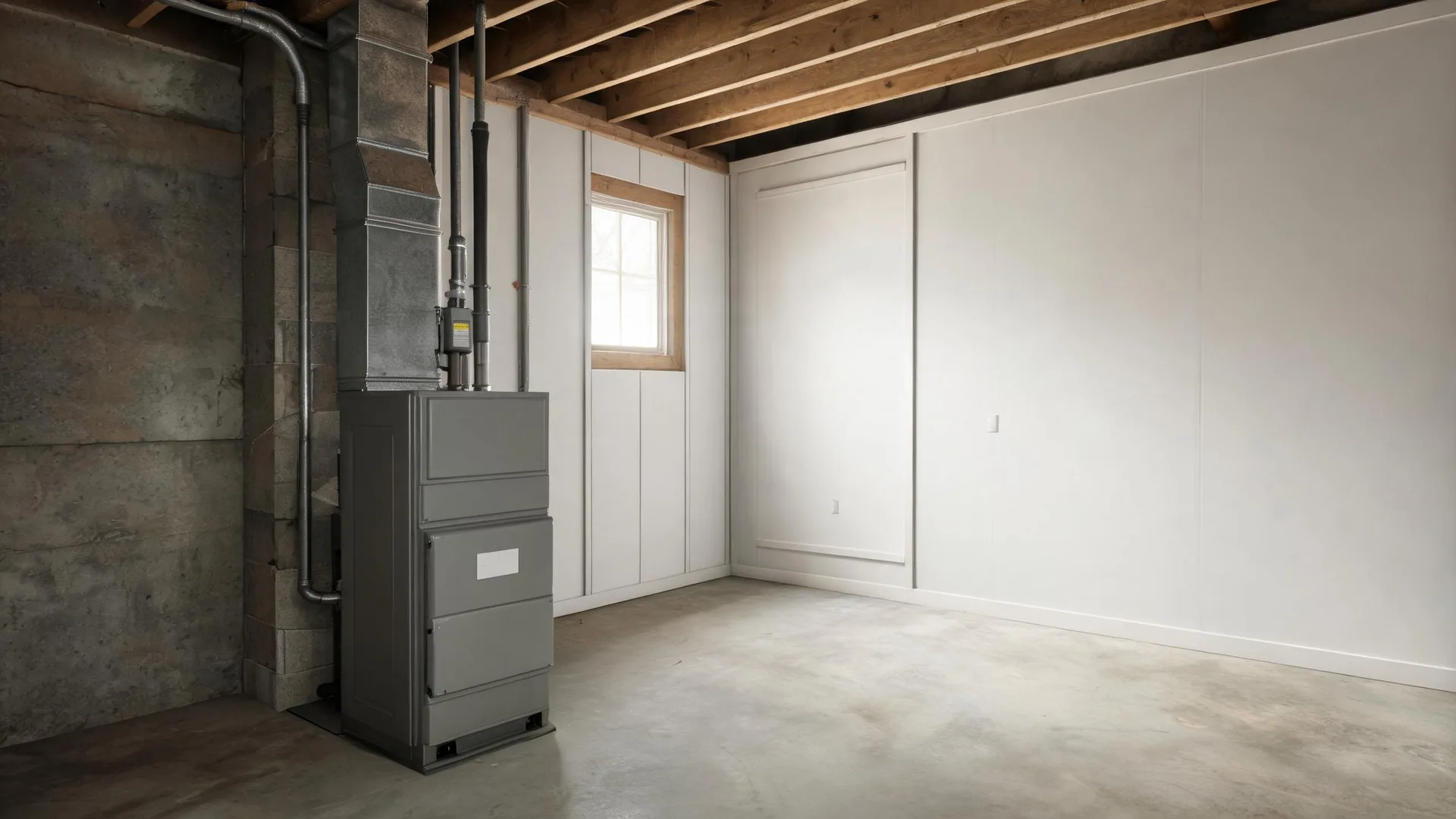
An empty unfinished basement containing a forced-air furnace with overhead ductwork, exposed ceiling joists, and a single hanging light bulb.

A high-efficiency gas furnace would save about $100 a year to run in Washington County compared with a gas furnace.

  • A high-efficiency gas furnace$530 a year
  • A gas furnace$630 a year

Estimates for a typical Washington County home, from EIA household energy data, Oklahoma fuel prices and NOAA climate normals. Your home will differ.

Install day starts with the old furnace coming out, along with the vent pipe or flue connection it used. The contractor sets the new unit, levels it, and connects the gas line, the vent, and the ductwork trunk. Every joint on the gas line gets checked for leaks before anything is fired up. The electrical hookup comes next, power for the blower motor and the control board, along with the low-voltage wire that runs to the thermostat. Once it's wired and connected, the contractor runs the furnace through a full cycle, checking that it ignites properly, that the blower kicks on at the right point, and that the flame sensor and limit switch are both doing their job. Before they leave, they should walk you through the thermostat and point out the filter slot, since that's the one part you'll be handling yourself from then on.