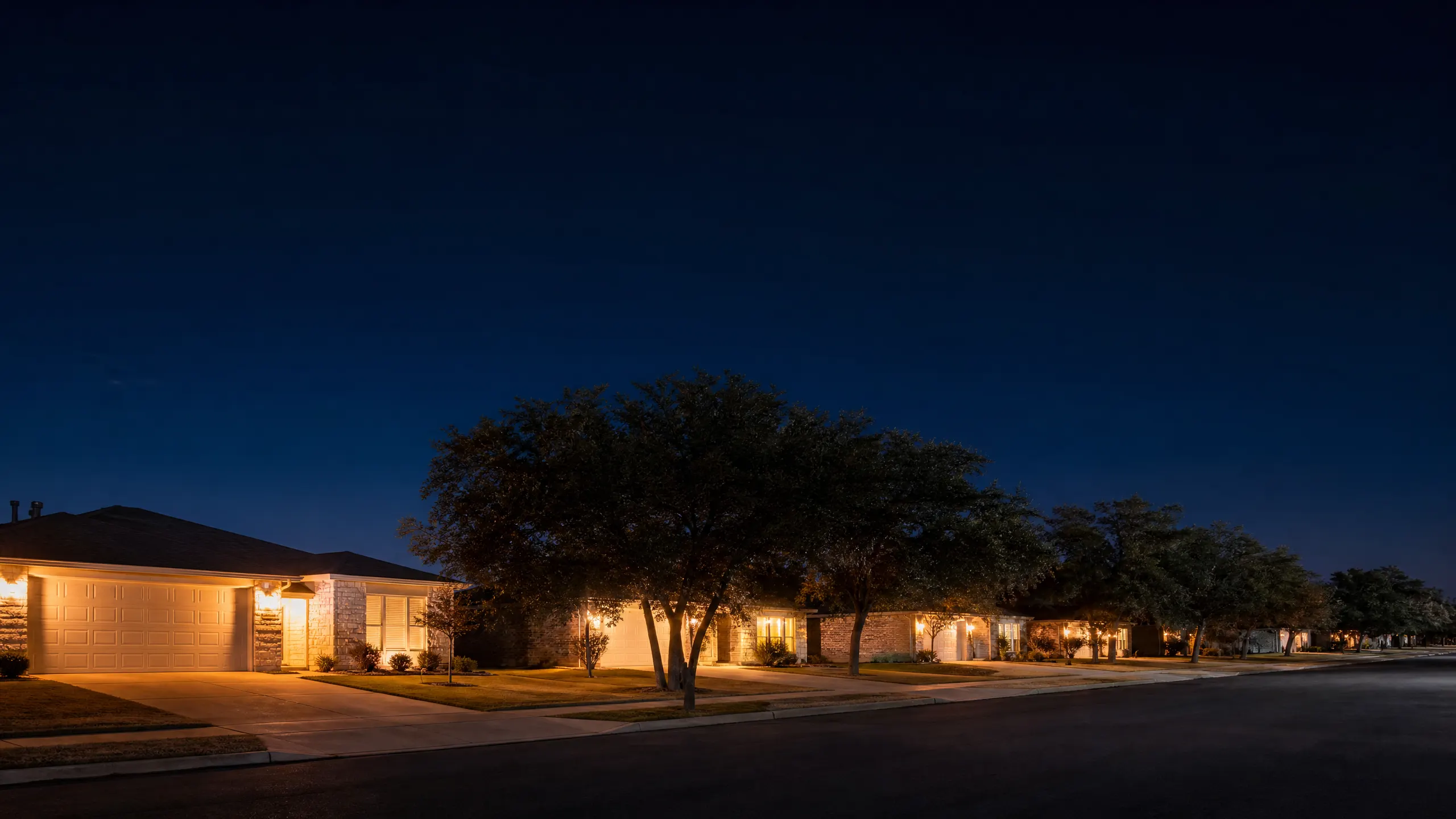
A nighttime view of a residential street lined with single-story brick houses and large trees lit by warm exterior lights.

Furnace Installation in Chandler, OK

Tell us about the job

Takes about a minute. No obligation.

New system or replacementFurnace or heatingLincoln County, OK
Step 1 of 2

What ZIP code is the job in?

Storms come through often

Lincoln County recorded 130 severe weather events between 2015 and 2024. That includes 50 damaging wind events, 59 hail events, and 15 tornadoes. An outdoor unit sitting through that many years of storms is going to take some hits.
Power doesn't always hold

A quarter of Oklahoma households went at least 24 hours without power in 2024. A furnace needs electricity to run its blower and controls, even a gas furnace. When the power goes out, so does the heat, no matter what the furnace burns.

7 months
October through April, your furnace is on duty
29°F
the average winter night it heats against
80% AFUE
the federal minimum any new unit must meet
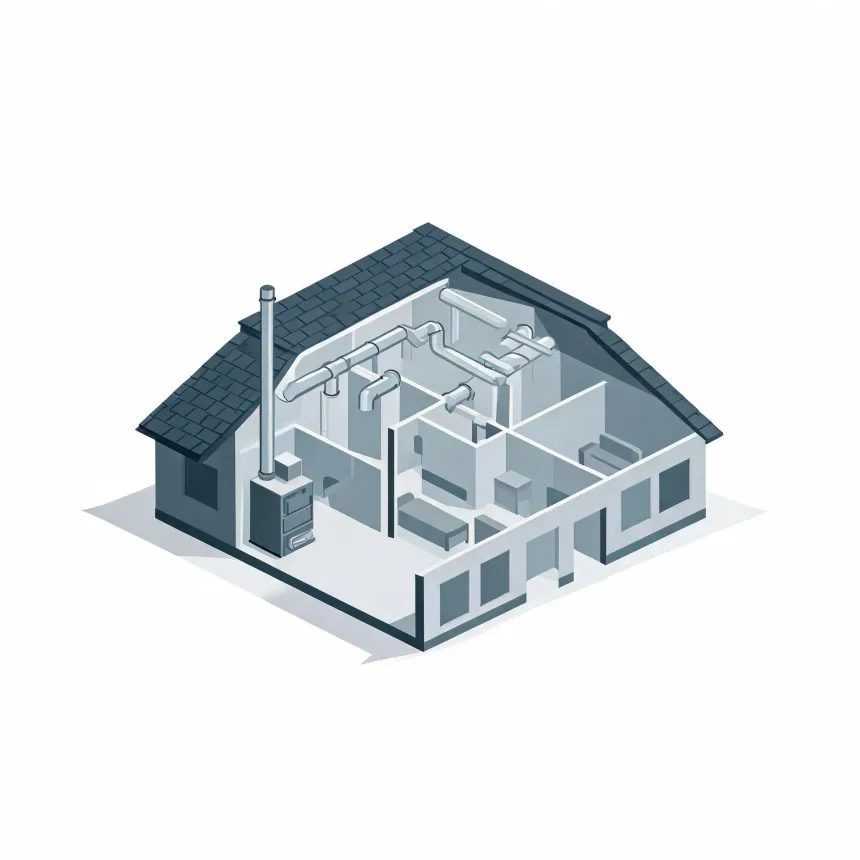
Isometric grayscale illustration of a cutaway house showing interior rooms, ceiling ductwork, a flue pipe, and a furnace unit on the left side.
Your furnace works hardest from November through March.

NOAA nClimDiv, 1991–2020 normals

Close to half the homes in Lincoln County heat with electricity.

Replacing an electric furnace with another one keeps the install straightforward, no new gas line or fuel switch to plan around.

Seven months of heat means no time to spare if it quits

Heat runs October through April
Winter nights average 29°F
Climate zone 3A

Furnace here runs October through April, about seven months out of the year. The rest of the time it sits idle. That's a lighter load than a lot of places see, where heat or air conditioning runs almost nonstop. Less time running means less wear on the blower motor and the heat exchanger over the years. A furnace that isn't worked hard doesn't need to be the most efficient model on the lot to hold up. What matters more here is a unit that starts reliably every time, since age and upkeep wear out a furnace in this county faster than the workload does.

Plan the install around the power going out

When a storm knocks the power out, the blower and controls stop with it, gas furnace or electric. Worth asking about a transfer switch or backup power for the furnace while it's being installed, so heat doesn't depend on the lines staying up.

Find a contractor
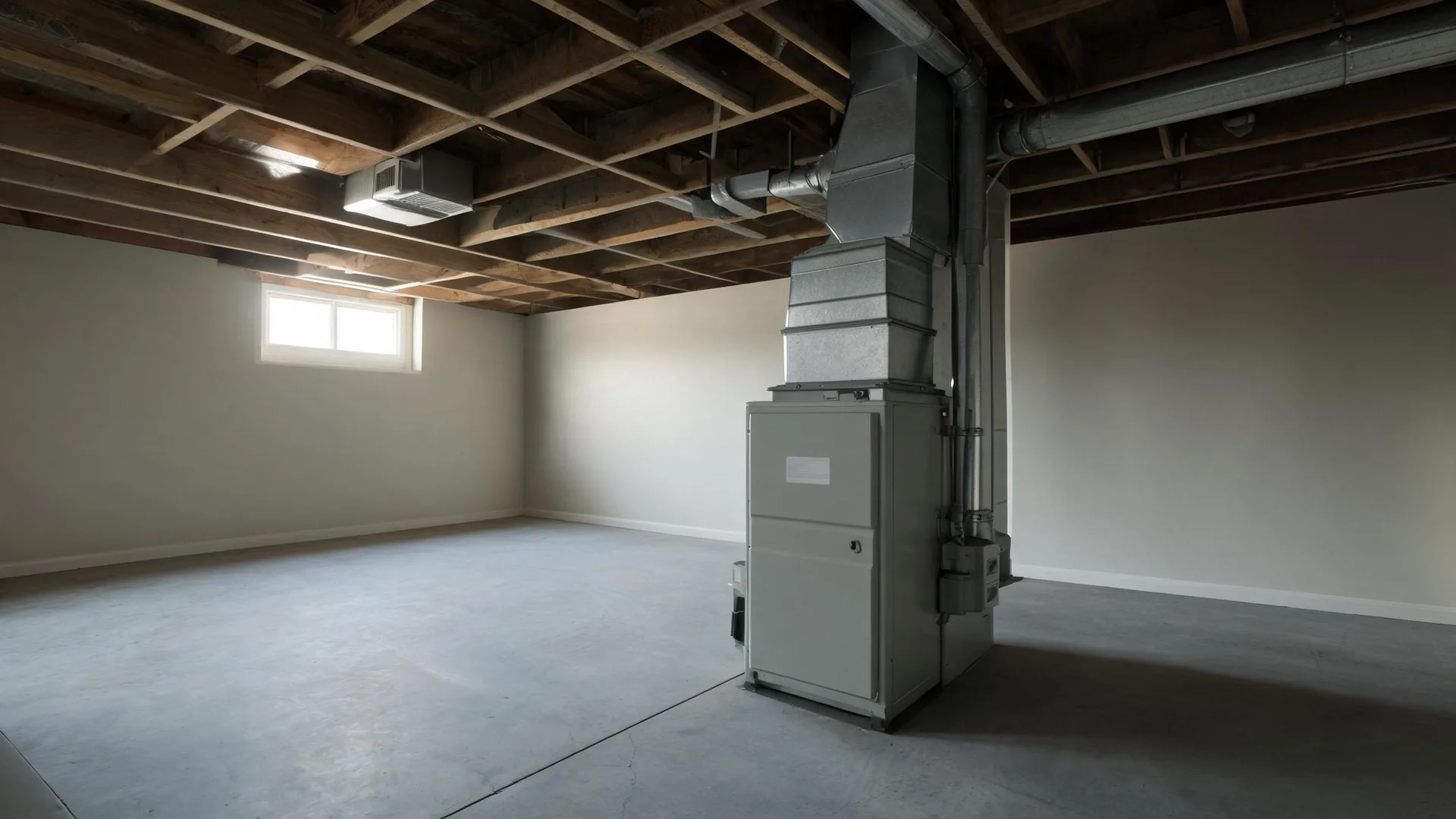
A gray residential gas furnace installed in an unfinished basement, surrounded by ductwork, a metal flue pipe, and a gas supply line.

Pick it to start reliably, not to run hard

Pick a furnace for how it starts, not for a top efficiency number. With seven months of runtime a year, there's no load here that calls for the highest-tier model on the lot. A single-stage or two-stage furnace with a solid record will heat this county through the winter without trouble. Ask the contractor which models they've seen hold up locally, since that track record matters more here than squeezing out another point of efficiency.

Ask what keeps it running without power

Some furnaces need nothing more than a standard outlet, others draw more current to start the blower, which matters if backup power is part of the plan. Ask what the startup draw is and whether a generator or transfer switch would need to be sized for it. A furnace that can't start on backup power is no better than one that's off.

Ask how it fails, not just how efficient it is

Two furnaces can heat a home the same way and fail completely differently. One might need a control board replaced to get going again, another might need nothing more than a reset. Ask the contractor what tends to go wrong with each model being compared and what it takes to get it running again. A furnace that's simple to restart after a problem is worth more here than one that's a point or two more efficient.

Sizing a furnace comes down to matching output to heat loss, not picking the biggest unit on the lot. A contractor works this out room by room, adding up the walls, windows, ceiling and floor area, and how much heat each one lets escape. Too big and the furnace short cycles, blasting hot air and shutting off before it ever evens out the house, which wears out the blower and the heat exchanger faster and leaves cold spots anyway. Too small and it runs constantly trying to keep up, never quite reaching the thermostat setting on the coldest days. Square footage alone doesn't answer it. A home with poor insulation or a lot of window area needs more furnace than one the same size that's tight and well sealed. The right size is the one that runs long steady cycles and still keeps up when it's coldest outside, not the one with the highest number on the box.

Lincoln County falls in climate zone 3A, and any furnace installed here has to meet the federal minimum for that zone: at least 80 percent of the gas it burns turned into heat over the winter. That's the floor for any gas furnace built from 2015 on, so it rules out older or stripped-down units some sellers still try to move. If the install happens after December 18, 2028, the floor jumps to 95 percent, so a furnace bought right before that date is held to a lower bar than one bought right after. A unit that clears 95 percent may also qualify for a federal tax credit, worth checking against the model being installed. None of this says how big a furnace to buy, only how efficiently it has to burn once it's in.