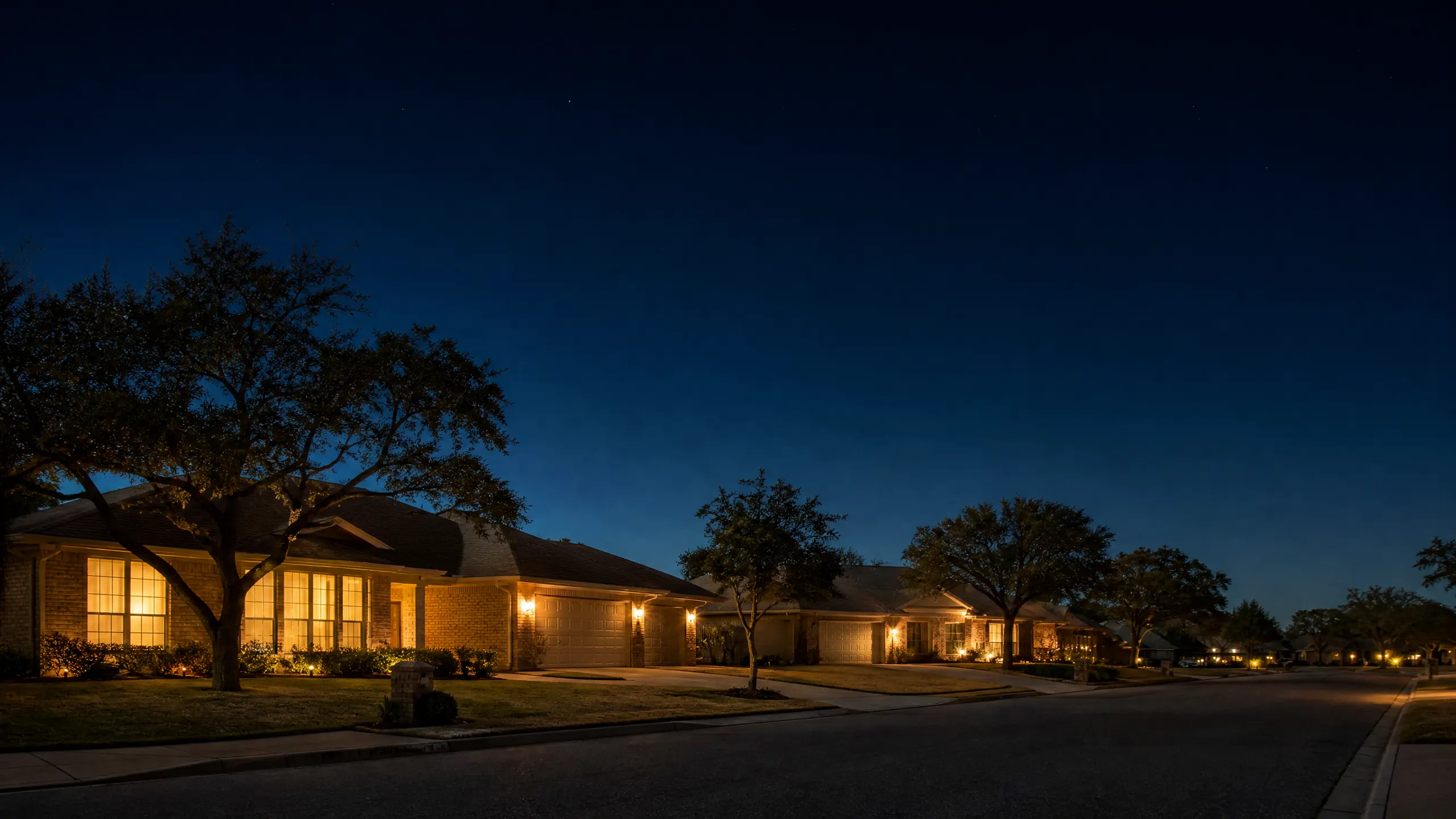



A nighttime street view of a row of illuminated single-story brick houses with large trees along the sidewalk.

Furnace Installation in Checotah, OK

Tell us about the job

Takes about a minute. No obligation.

New system or replacementFurnace or heatingMcIntosh County, OK
Step 1 of 2

What ZIP code is the job in?

McIntosh County logged 123 severe weather events between 2015 and 2024. Damaging wind caused 56 of them, hail another 50, and 11 tornadoes touched down in that stretch. None of that happens inside a house, but it happens to the lines and equipment that keep a furnace running. A quarter of Oklahoma households went at least a full day without power in 2024. A furnace needs electricity to run its blower and controls, so when the power goes out, it stops no matter how cold it is outside. That's worth knowing before you settle on a system, not after it's installed.

6 months
November through April, your furnace is on duty
31°F
the average winter night it heats against
80% AFUE
the federal minimum any new unit must meet
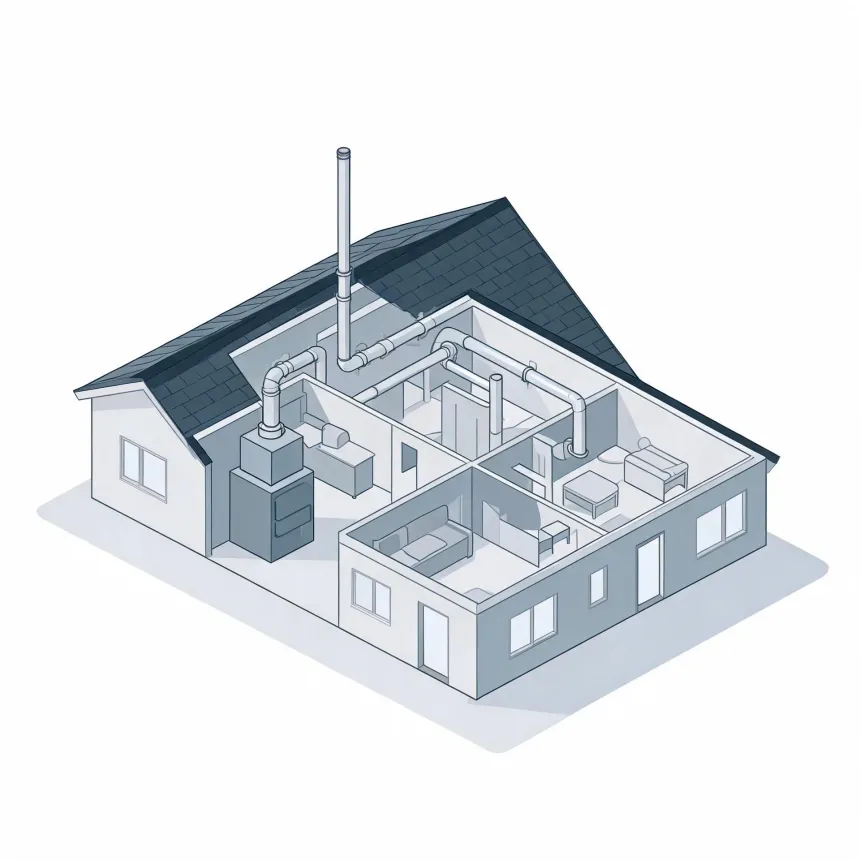
Isometric cutaway illustration of a single-story house showing interior rooms with furniture, a furnace unit connected to ductwork and a tall flue pipe extending through the roof.
Your furnace works hardest from November through March.

NOAA nClimDiv, 1991–2020 normals

Half the homes in McIntosh County heat with electricity.

An electric furnace fits the way this county already builds, but it leaves you with nothing when the lines go down.

Checotah's power stays cheap, so what matters most is a furnace that still runs when the lines don't

Heat runs November through April
Winter nights average 31°F
Climate zone 3A

Heat starts running in November here, which makes October the month to get a new furnace in. Wait past that and you're doing it on a night when the overnight low is already down near freezing, with whoever you can get on short notice. Installing before the cold settles in means it can be sized, set up and tested properly, and any problem gets caught while it's an inconvenience instead of an emergency. Six months of heat is a long stretch to find out partway through that something was wired or vented wrong.

Plan the furnace install around the outages, not just the cold

Ask about a transfer switch or battery backup when the new furnace goes in, so a power cut doesn't mean a cold house on top of everything else. Have the installer walk you through where the outdoor components sit and what's nearby that wind or hail could turn into debris. Settling these before the work starts is easier than fixing them after.

Find a contractor
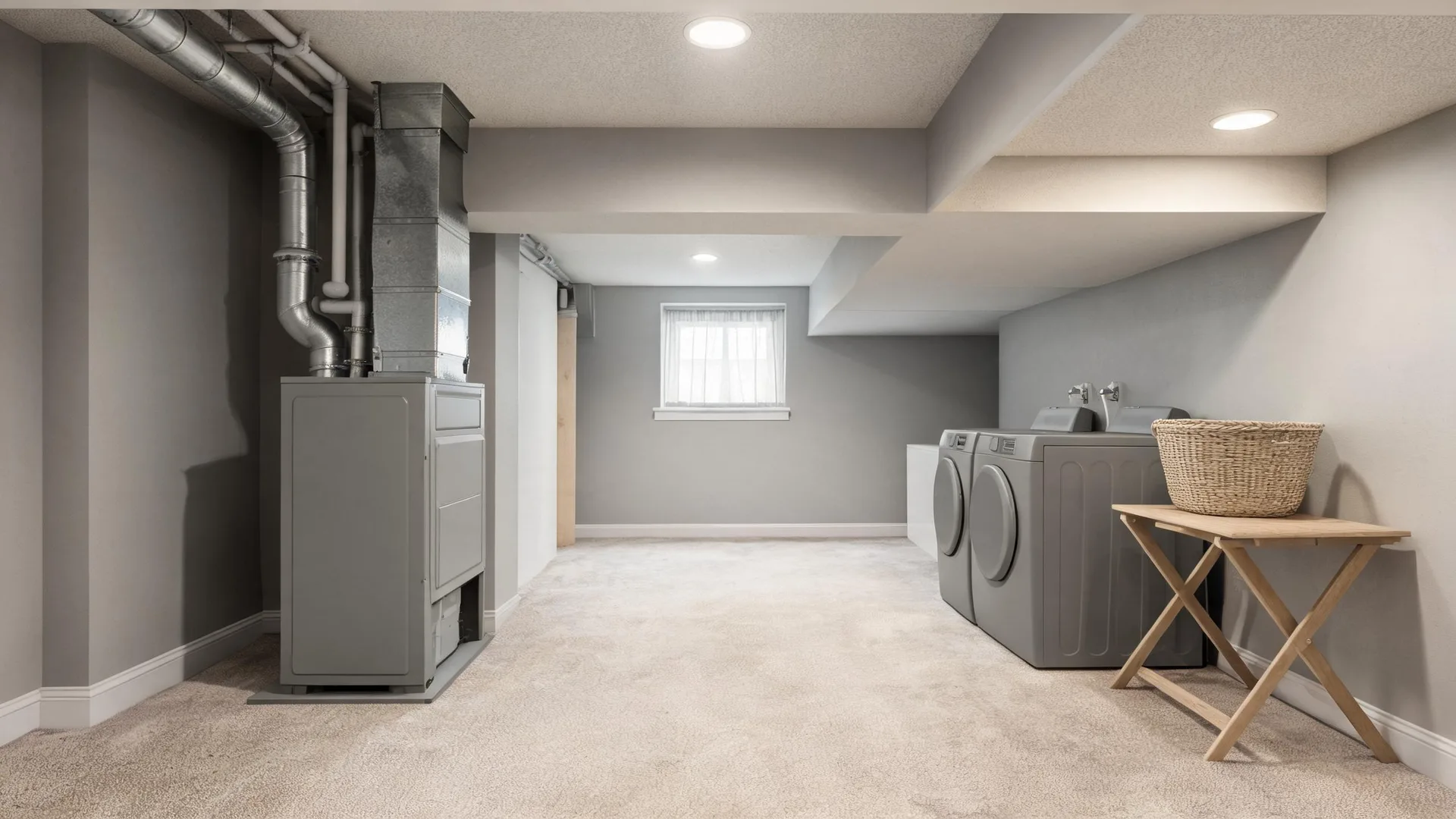
A gas furnace with attached ductwork, gas piping, and condensate lines installed in a concrete-block basement.

Six months on, six months off

Six months of heat a year is a light workload for a furnace. It runs November through April, then shuts down and sits for the rest of the year. A system that isn't cycling on through a long stretch of hard freezes has less wear to show for it, and most of what goes wrong on a furnace like that traces back to age or a skipped service, not to the machine being asked to do too much. That's good reason not to pay extra for a top-tier efficiency model here. A mid-range furnace, properly sized and installed, will hold up fine against a season this short. Put the money instead into what actually matters where you live: a system built to handle the wind and the outages.

Ask what keeps it running without power

A standard furnace install leaves the blower and control board on house current, so a transfer switch or backup connection is a separate ask, not something that comes standard. Find out whether the unit being quoted can accept a backup power source at all, and whether that's wired in now or left for later. Adding it after the fact usually costs more than asking for it up front.
Ask how the vent and intake are routed

A furnace draws combustion air and vents exhaust through pipes that run outside, usually through the roof or a sidewall. Ask where those will sit and what's near them. A vent pipe that gets blocked by debris or knocked loose in high wind will shut the furnace down or worse, so the location matters as much as the furnace itself.

The efficiency rating on the label tells you how much of the fuel a furnace burns actually turns into heat in the house, versus how much goes out the vent. A furnace with a higher rating wastes less, so less of what you're paying for leaves through the flue. That number matters most when a furnace runs long and hard for most of the year. It matters less on a short, mild heating season, because there are fewer hours for the difference to add up. The rating also says nothing about how well a furnace handles a hard freeze, a power blink, or years of sitting idle in the off season. Two furnaces with the same rating can hold up very differently once wind, dust, or age get involved, so it's one number to check, not the only one.

Half the homes in McIntosh County were built in 1983 or earlier. That matters for a furnace install because older construction doesn't always match what a new system expects. Duct runs may have been sized for a different unit, and the spot where the old furnace sat might not be the best spot for the new one once a contractor looks at venting and clearances. Mobile homes make up a third of the housing here too, and they come with their own furnace requirements, different clearances, different venting, sometimes a different fuel setup entirely. None of this means an install is harder, just that it isn't a swap of one box for another. Whoever quotes the job should look at your actual house, not just the model replacing the one you have now.