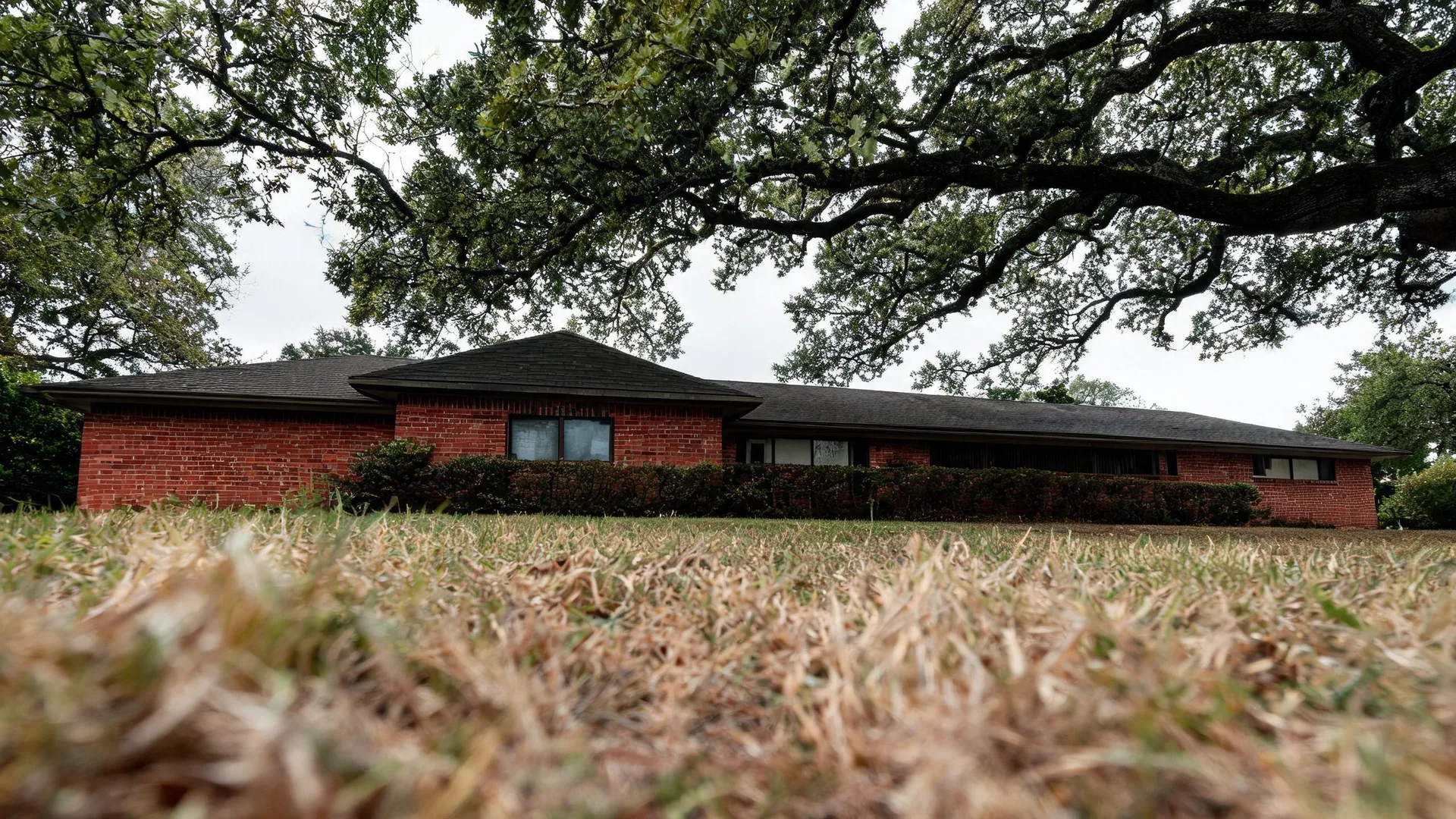





Low-angle view across a dry brown lawn toward a single-story red brick house with dark shingled roof, framed by large overhanging oak branches under an overcast sky.

Furnace Installation in Hugo, OK

Tell us about the job

Takes about a minute. No obligation.

New system or replacementFurnace or heatingChoctaw County, OK
Step 1 of 2

What ZIP code is the job in?

Most homes in Choctaw County heat with electricity, about 67 percent. If your old system ran on electric heat, a straight swap is usually the simplest path, since the wiring and setup are already there for it. Gas is far less common here, just 15 percent on utility gas and another 13.3 percent on bottled or LP gas. If your home is one of those, a furnace installer still needs to work with whatever fuel line is already run to the house rather than add a new one. Either way, matching what's already there tends to keep the job simpler than switching fuel types.

5 months
November through March, your furnace is on duty
33°F
the average winter night it heats against
80% AFUE
the federal minimum any new unit must meet
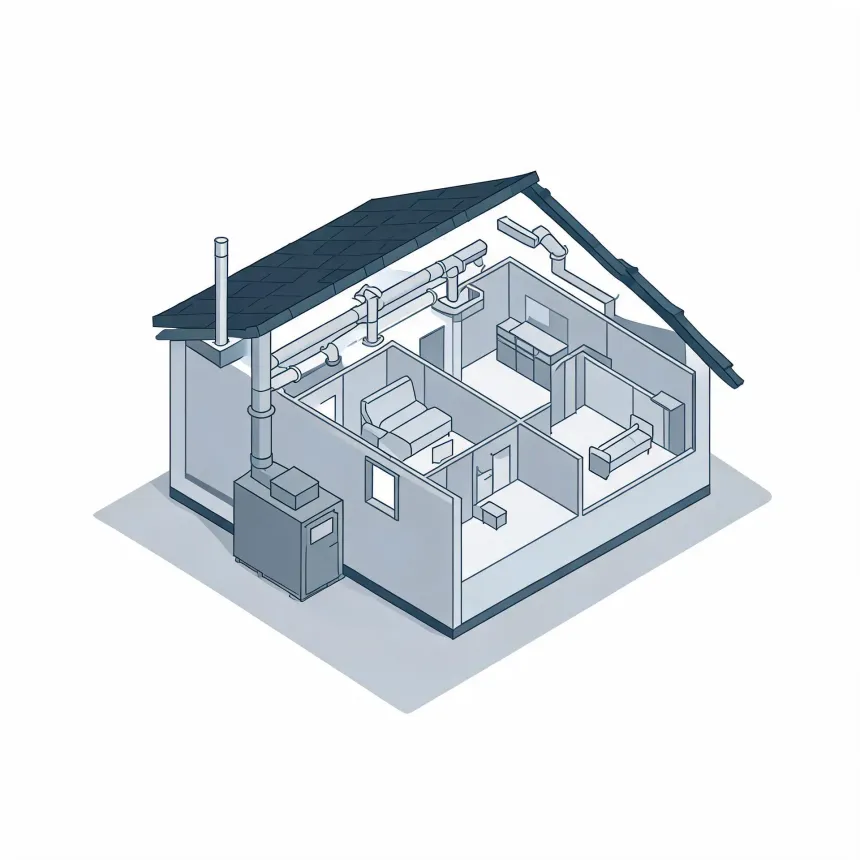
Isometric line illustration of a cutaway single-story house showing interior rooms with furniture, ceiling ductwork, a chimney flue, and a furnace unit outside the exterior wall.
Your furnace works hardest from November through February.

NOAA nClimDiv, 1991–2020 normals

Furnaces in Choctaw County start running in November.

Get yours installed in October, before the cold puts you on a waiting list.

Electricity runs cheap here, so the fanciest furnace isn't what pays you back

Climate zone 3A
Heat runs November through March
Winter nights average 33°F
Choctaw County doesn't ask more of a furnace than a standard one can handle78 severe weather events hit the county between 2015 and 2024, mostly wind and hail, not winter storms

Your furnace only has to carry five months of the year here, November through March. Overnight lows average 33°F through the coldest stretch of December, January and February, which is cold enough to run the system steadily but not the kind of deep freeze that pushes a furnace to its limit night after night. That's a short, mild season as far as furnaces go. A unit built to handle far harsher winters is doing more than this job calls for. What wears a furnace out here is usually age or a part that's gone bad, not the system straining against the weather.

A new furnace here just needs to clear 80 percent AFUE

Any furnace installed here has to hit at least 80 percent AFUE, the federal minimum for this type. That's the baseline Choctaw County's mild winters call for, and a federal tax credit is available for qualifying high-efficiency models if you want to go above it. Starting in late 2028 that minimum rises to 95 percent AFUE, so a standard-efficiency furnace installed now is still on firm legal ground.

Find a contractor
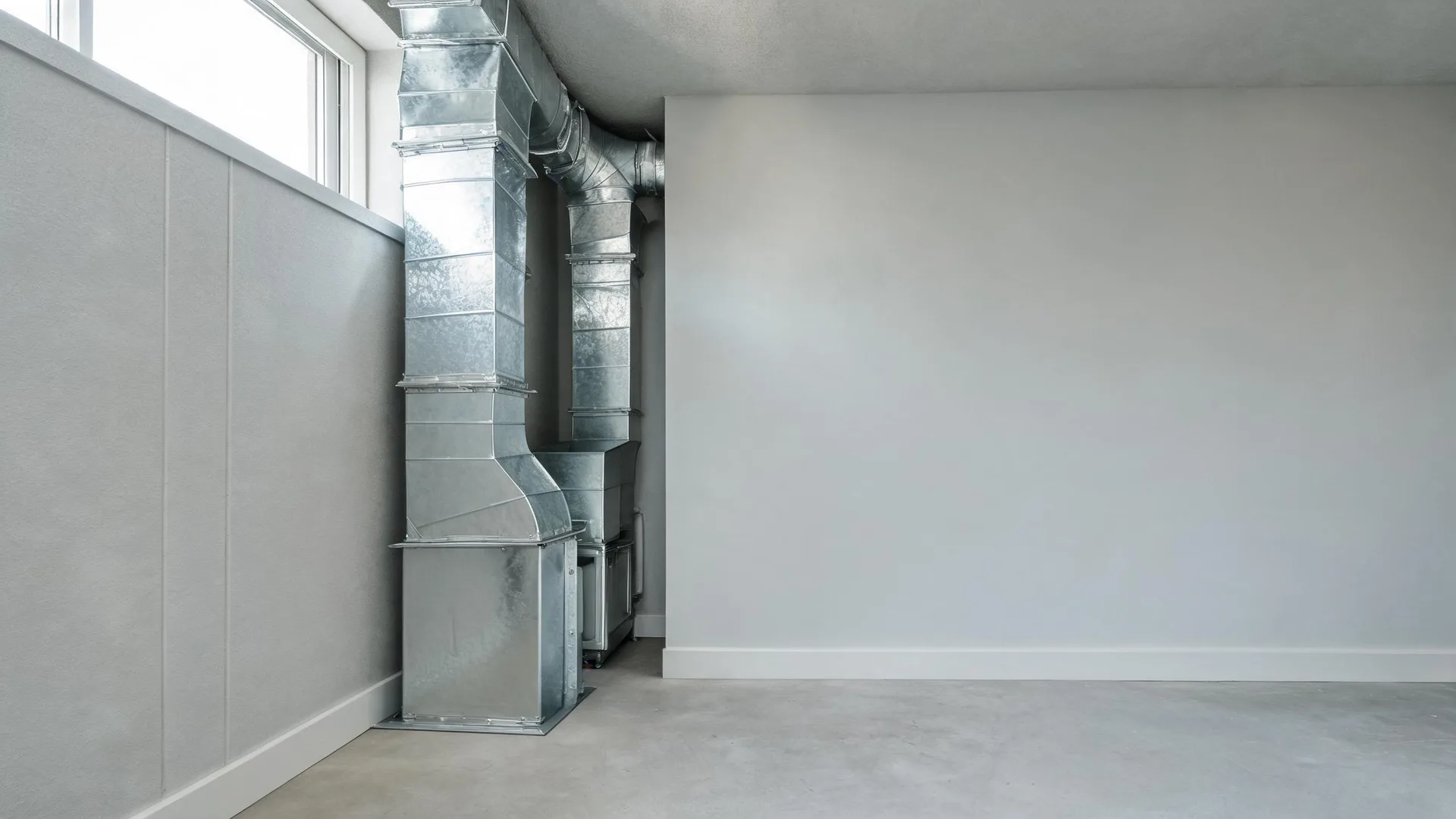
A gray high-efficiency gas furnace installed in an unfinished basement, surrounded by gas lines, a condensate drain, and sheet-metal ductwork.

Size the furnace for five months, not for a harder winter

Five months of work a year is not much to ask of a furnace. When you're picking one, that's what to size for. A mid-range furnace built for a standard winter will clear what this county asks of it. There's no case here for the top-tier model built to fight off hard freezes that don't happen in Choctaw County.

AFUE is what the furnace keeps, not what it burns

The rating on the label tells you how much of the fuel turns into heat in the house instead of going out the flue. The rest escapes as exhaust no matter how well the furnace is installed or maintained. A higher rating means less fuel wasted, not a furnace that heats the house faster or better.
A higher rating costs more up front and pays back slower than you'd guess

Furnaces with a higher AFUE rating usually cost more to buy, and the higher ones often need different venting to carry the exhaust safely. That extra cost buys back a smaller slice of fuel use each month than people expect. Whether it's worth paying for depends on how many months a year the furnace actually runs.

Contractors can quote the same size furnace and mean different things by it. Ask how they arrived at that number. A furnace sized off a load calculation accounts for the square footage, insulation, and window area of your actual house. One sized off the furnace you're replacing is just repeating whatever mistake was made last time. Ask what's included in the quote. A thermostat, venting work, a permit, and whether the ductwork was inspected or just reused as is all matter. A furnace is only as good as the air it moves, and ducts that are leaky or undersized will hold back even a well-chosen unit. Ask about the warranty on parts versus labor too, since those often run different lengths. And ask who services the furnace once it's in, since the installer and the brand's support aren't always the same people.

Installation day starts with the old furnace coming out, and that alone can take a couple hours if the ductwork and gas or electric connections aren't a clean match for the new unit. The installer sets the new furnace, connects the supply and return ducts, and runs the venting to code, since that's what carries exhaust safely out of the house. Gas lines get pressure tested before anything is fired up. Once it's wired in and the thermostat is set, the furnace runs through a full cycle while the installer checks the temperature rise, the airflow at the vents, and the burner flame to make sure everything's reading where it should. A permit inspection may follow, depending on what your local code requires. By the end of the day you should have a furnace that's been tested under real operation, not just switched on and left.