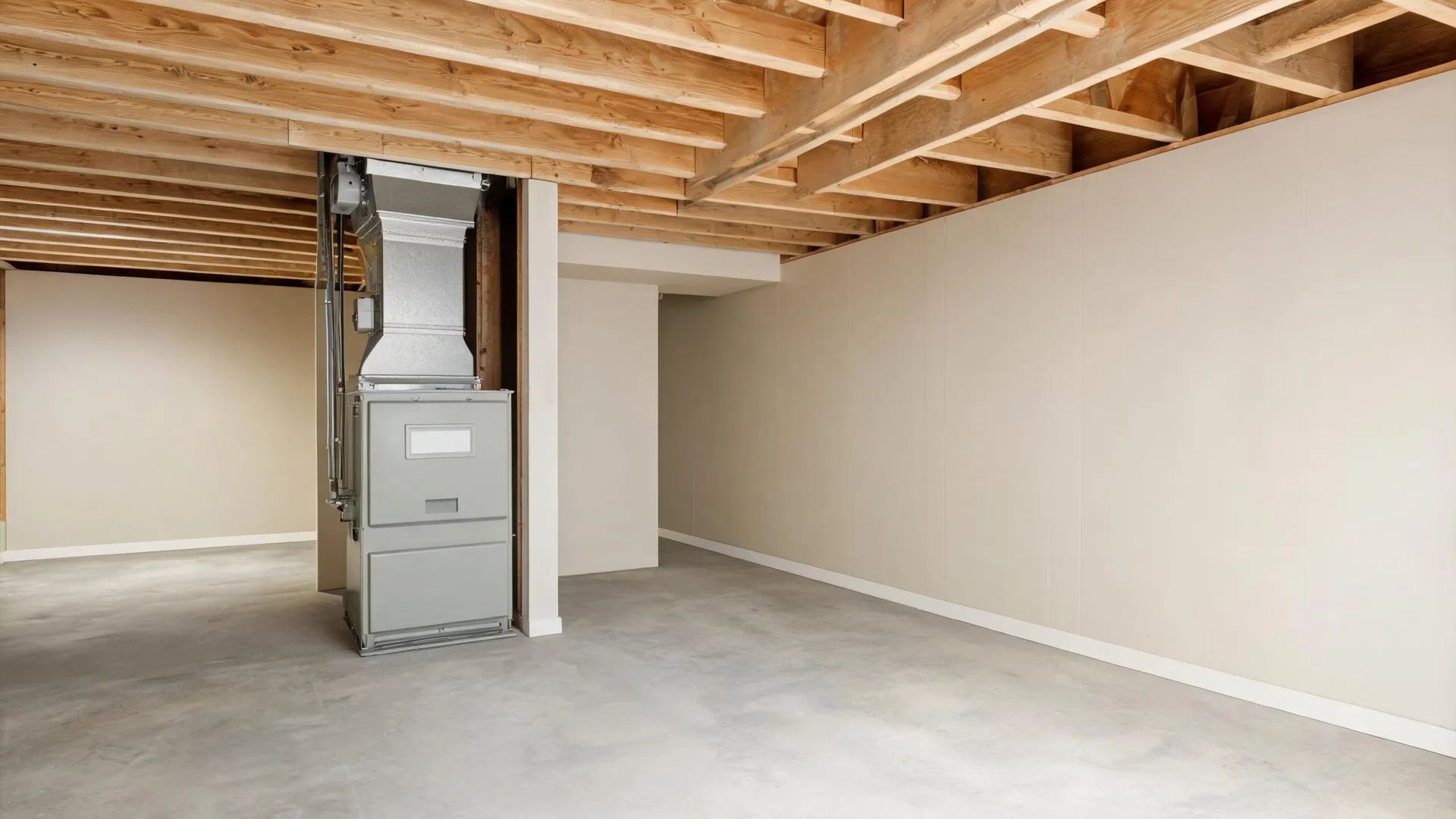
A gray forced-air furnace with sheet-metal ductwork stands in an unfinished basement with exposed wooden joists, concrete walls, and a hanging incandescent bulb.

Furnace Installation in Okmulgee, OK

Tell us about the job

Takes about a minute. No obligation.

New system or replacementFurnace or heatingOkmulgee County, OK
Step 1 of 2

What ZIP code is the job in?

Okmulgee County sees real storm numbers

Okmulgee County logged 122 severe weather events between 2015 and 2024, including 44 damaging wind events, 57 hail events and 10 tornadoes. Winter storms with snow and ice hit 11 times in that same stretch. A furnace installed here has to hold up under that.

Power doesn't always stay on

A quarter of Oklahoma households went at least 24 hours without power in 2024. A furnace needs electricity to run its blower and controls even though it burns gas for heat, so an outage can leave a house cold no matter how new the unit is.

7 months
October through April, your furnace is on duty
30°F
the average winter night it heats against
80% AFUE
the federal minimum any new unit must meet
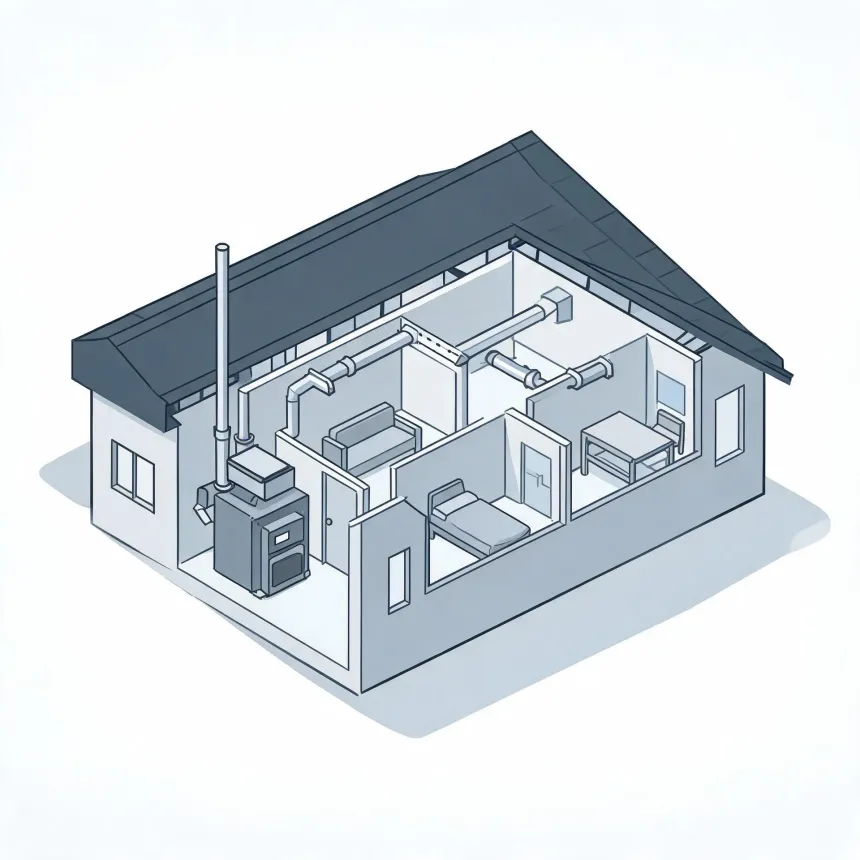
Isometric cutaway illustration of a single-story house showing interior rooms with furniture, overhead ducting, a flue pipe, and a furnace unit against an interior wall.
Your furnace works hardest from November through March.

NOAA nClimDiv, 1991–2020 normals

Gas here runs $13.54 per million Btu, among the cheaper rates in the country.

A high-efficiency furnace costs more up front and takes longer to earn that back, so a contractor sizing the job can weigh a dependable mid-efficiency unit just as fairly.

Gas heats close to half the homes in Okmulgee County, more than any other fuel

45.8% of homes heat with gas
Heat runs October through April
Winter nights average 30°F
Seven months of work a yearFurnaces here run October through April, then sit the rest of the year.

Furnaces here get installed year round, but the easiest time to do it is before October, when heat season starts. Nobody wants to be picking a unit while the overnight temperature is already dropping toward 30 degrees. Doing it in September means the contractor has time to size the system properly instead of rushing to get a house warm again. It also means the new furnace gets a full test run on mild days before it has to work through a cold snap. A furnace put in under pressure, mid-winter, with the old one already dead, doesn't give anyone room to compare options or catch a problem before it matters.

Plan the install around the outages, not just the cold

Ask the contractor where the outdoor unit will sit and what will keep ice and wind-blown debris off it. Ask what happens to heat and hot water if the power drops, since the blower and controls need electricity even on a gas furnace. Settling that now, as part of the installation, is easier than figuring it out during a blackout.

Find a contractor
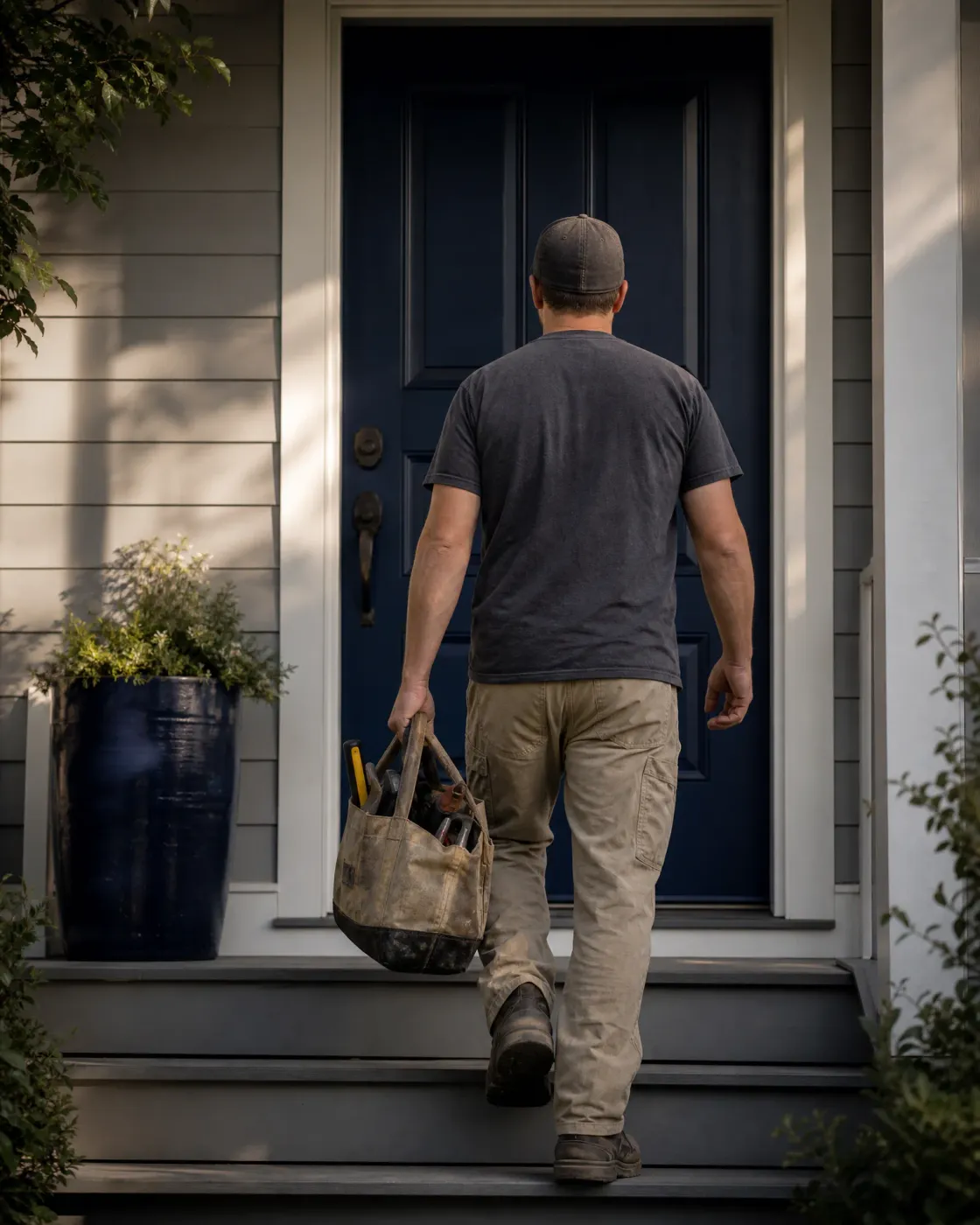
A man in a cap, gray T-shirt and tan work pants carries a canvas tool bag up porch steps toward a dark blue front door of a gray clapboard house, with a potted plant at left.
A gray residential gas furnace installed in an unfinished basement, connected to sheet-metal ductwork and PVC pipes.

Sized for the house, not the habit

A furnace that's too big for the house will still heat it, just badly. It shuts off as soon as it hits the thermostat setting, before it's finished pulling air through the whole duct system, so some rooms stay cold while the one near the thermostat overheats. That start-stop pattern is hard on the ignition system and the blower motor, since most of the wear happens in the moments a furnace kicks on, not while it's running steady. Too small, and it runs nearly nonstop trying to keep up on the coldest days, which drives up wear just as fast and still leaves the house under temperature. Sizing it right isn't a matter of matching the old unit or going a size up to be safe. A contractor works out the heat loss for the specific house, room by room, factoring in square footage, ceiling height, window area, and how well the place holds heat, then matches the furnace output to that number. Done right, the furnace runs in longer, steadier cycles that hold the house at temperature without much short-cycling. That's what actually determines how long the equipment lasts, more than the brand or the efficiency rating on the sticker.

The old furnace gets disconnected before it's moved

A contractor shuts off the gas line and caps it, then disconnects the electrical and the duct connections before the old furnace comes out. If it's a direct vent or has a flue running through the roof or a wall, that gets dealt with too, since the new furnace may vent differently than the old one did. None of the new unit's connections get made until the old one is fully clear.

The old unit rarely has a second life

A furnace that's run its course usually has a cracked heat exchanger, a failing control board, or a blower motor on its way out, which is why most get scrapped rather than resold or reused. The metal cabinet gets recycled. What matters more for the new install is what the old furnace leaves behind: the duct layout, the vent path, and the gas line sizing all came from the unit that's leaving, and a contractor checks whether those still work for the one going in.

An unfinished basement featuring exposed ceiling joists, a metal HVAC unit with round ductwork, a hanging light bulb, and scattered boxes and debris along the left wall.

A high-efficiency gas furnace would save about $90 a year to run in Okmulgee County compared with a gas furnace.

  • A high-efficiency gas furnace$460 a year
  • A gas furnace$550 a year

Estimates for a typical Okmulgee County home, from EIA household energy data, Oklahoma fuel prices and NOAA climate normals. Your home will differ.

Install day starts with the space, not the furnace. A contractor confirms the duct connections, the gas line, and the vent path all line up with the new unit before anything gets set in place. Setting the furnace itself is usually the fastest part of the day. Running the vent pipe correctly and sealing the duct connections well takes longer, and it matters more. Once it's set, the contractor fires it up, checks the gas pressure, and watches it run through a full cycle, not just a quick burst. Before anyone leaves, the thermostat gets programmed and tested, and the furnace should bring the house up to temperature on its own without anyone standing over it.