





A row of single-story brick houses with dark gabled roofs beside a wooden fence and a large overhanging oak tree, with dry brown grass in the foreground under an overcast sky.

Furnace Installation in Pauls Valley, OK

Tell us about the job

Takes about a minute. No obligation.

New system or replacementFurnace or heatingGarvin County, OK
Step 1 of 2

What ZIP code is the job in?

Electricity in Oklahoma runs about $35.86 per million Btu, cheaper than most of the country. That changes the math on a new furnace. A high-efficiency model still costs less to run month to month, but with power this cheap, the gap between it and a standard unit is small, and it takes longer to earn back the difference. That doesn't make it a bad choice, it just means the decision should rest on other things first. How the furnace holds up when an ice storm knocks the power out for a day or two matters more here than a point or two of efficiency. Fit the unit to your home and what this area throws at it, then worry about the efficiency rating.

6 months
November through April, your furnace is on duty
31°F
the average winter night it heats against
80% AFUE
the federal minimum any new unit must meet
Isometric cutaway illustration of a single-story house showing interior rooms, furniture, a dark furnace unit with a tall vertical flue pipe, and ductwork running under the pitched shingle roof.
Your furnace works hardest from November through March.

NOAA nClimDiv, 1991–2020 normals

Half the homes in Garvin County were built in 1973 or earlier.

A furnace going into a house that age has to match the ducts and venting already there, not just the floor plan.

Six months of heat, and winters that don't ask much of a furnace

Heat runs November through April
Winter nights average 31°F
Climate zone 3A
Six months of heat, starting in NovemberHomes in Garvin County run their furnace from November through April, so October is the month to get a new one in.

Most homes in Garvin County heat with electricity, 65.3% of them. Utility gas runs a distant second at 25.2%, with propane down at 7.7%. That split matters when you're picking a replacement. If your house already has a gas line and venting in place, a gas furnace is still a straightforward option. But if you're in one of the majority of homes running on electric heat, going electric again keeps the installation simple. No new gas line, no new venting to run. An electric furnace also has one less thing to fail when the power's out for a day. There's no igniter or gas valve waiting for the lights to come back on, just the furnace itself.

Reliability first

Power is cheaper here, so the most efficient model takes longer to pay off. Reliability and fit matter more.

Find a contractor
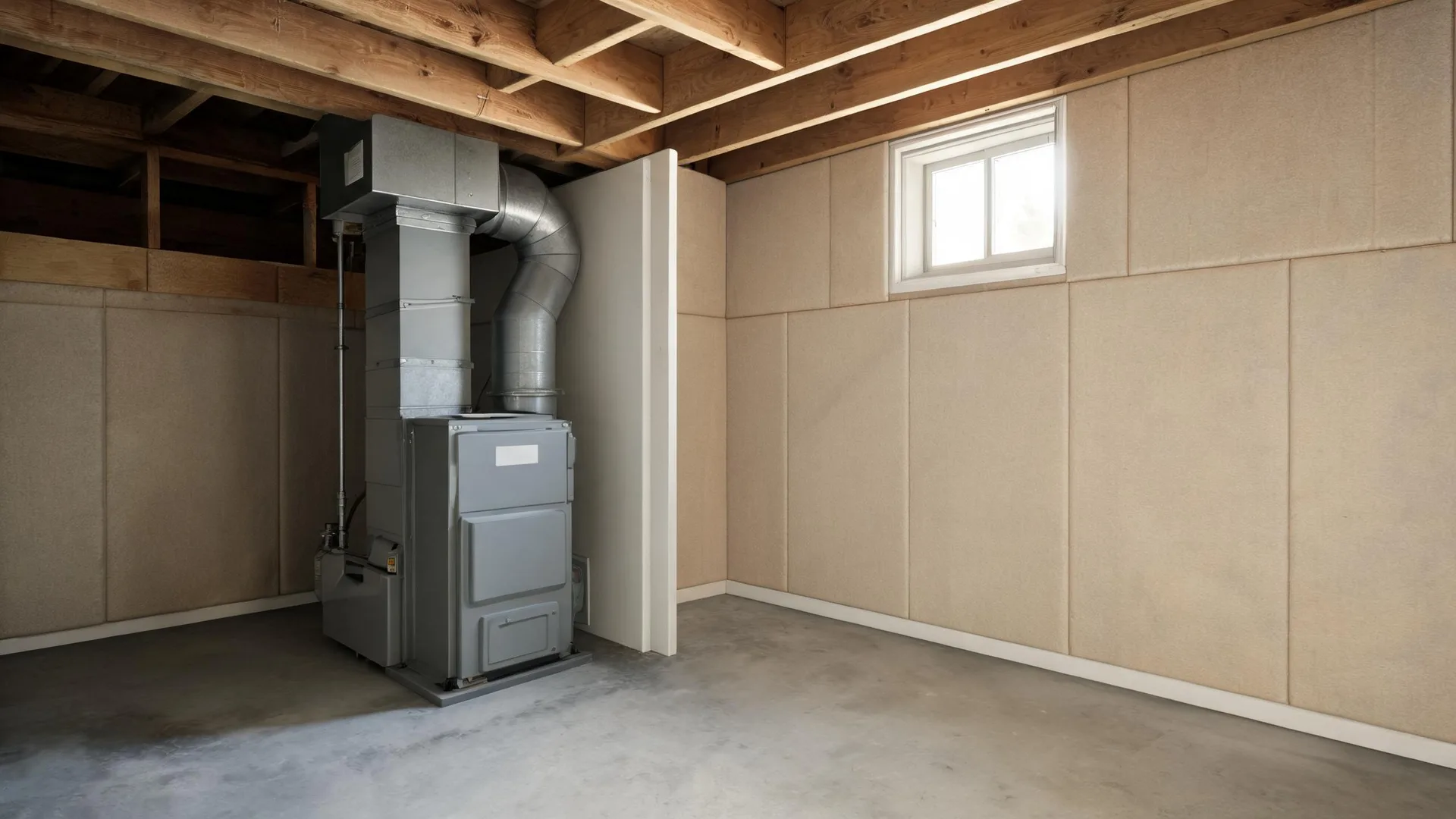
A gray high-efficiency gas furnace installed in an unfinished basement, surrounded by gas lines, a condensate drain, and sheet-metal ductwork.

Six months of work, not a hard six months

Furnace here runs November through April, and even in December, January and February the overnight low only averages 31. That's not a hard duty cycle. A mid-range furnace built to last won't be pushed hard enough here to wear out early. Put the money toward a unit that starts reliably and holds up when the power goes out, not toward the highest efficiency rating on the shelf.

Size has to match the house, not the old furnace

A furnace sized by rule of thumb or matched to whatever was there before can run short cycles. Short cycling wears out the heat exchanger early. A furnace sized too small runs long enough to feel uneven room to room. Getting the size right means someone measuring the house, the windows, the insulation, not just reading a nameplate off the unit being replaced.
The ducts and venting decide what else gets touched

Swapping in a new furnace is rarely just the box in the closet or basement. Undersized or leaking ductwork makes the new furnace work against it from day one. Venting that doesn't match what the new unit needs gets replaced too. None of that shows up on a price tag for the furnace itself, but it's often where the job gets bigger.

The efficiency rating on a furnace tells you how much of the fuel it burns turns into heat in the house instead of going out the flue. A higher rating means less of what you're paying for escapes unused. That's the whole meaning of the number. It doesn't tell you how long the furnace lasts, how well it holds up to hard use, or whether it was sized right for your house. A top-rated furnace that's oversized or poorly matched to your ducts will still run short cycles and wear out early. A mid-range furnace sized and installed right will outlast it. The rating is worth knowing, but it's one line on the spec sheet, not the whole decision.

Install day starts with the old furnace coming out, and that's when a few things get confirmed instead of guessed at. The duct connections get checked against what the new unit needs. The vent gets checked too, since a new furnace often moves air differently than the one it's replacing and the old venting doesn't always carry over. Gas line gets pressure tested if there is one. Electrical gets tied in, a thermostat wire run or reused. Once the furnace is set and connected, it gets fired up and run through a full cycle, not just switched on and left. That's when a tech checks the temperature rise across the furnace, checks for proper draft out the vent, and listens for anything that shouldn't be there. A furnace that looks done but hasn't been run and checked isn't done.