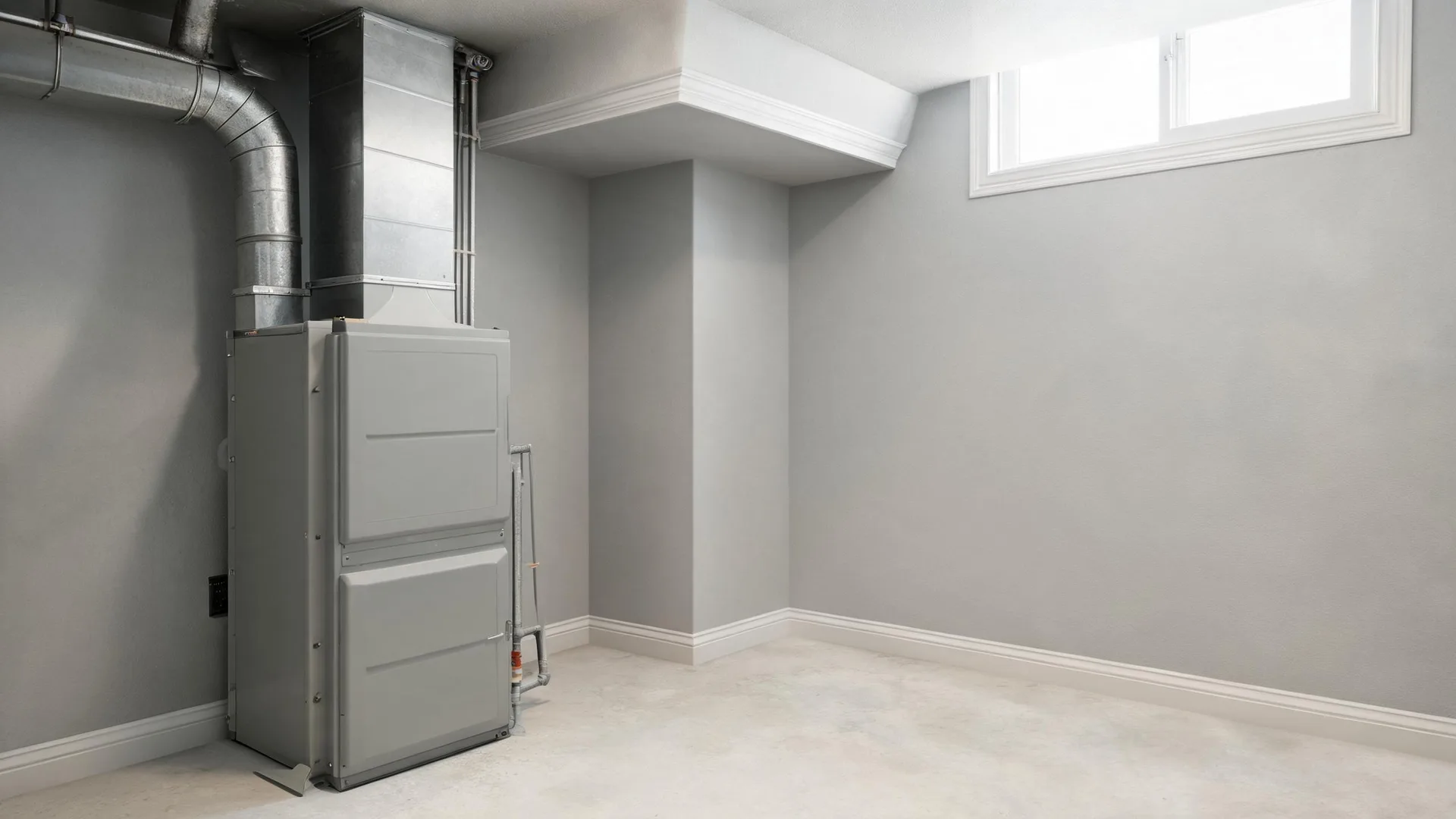
An unfinished basement featuring concrete block walls, exposed floor joists, a bare concrete floor, and a forced-air furnace with a large metal exhaust duct in the corner.

Furnace Installation in Sapulpa, OK

Tell us about the job

Takes about a minute. No obligation.

New system or replacementFurnace or heatingCreek County, OK
Step 1 of 2

What ZIP code is the job in?

Creek County sees its share of severe weather

Creek County recorded 144 severe weather events between 2015 and 2024, including 65 damaging wind events, 58 hail events and 12 tornadoes. Nine winter storms hit the county in that same stretch, bringing heavy snow and ice.

Power doesn't always hold through it

A quarter of Oklahoma households went at least 24 hours without power in 2024. A furnace needs electricity to run even when the fuel is gas, so an outage during a cold snap stops the blower and the ignition along with everything else.

7 months
October through April, your furnace is on duty
29°F
the average winter night it heats against
80% AFUE
the federal minimum any new unit must meet
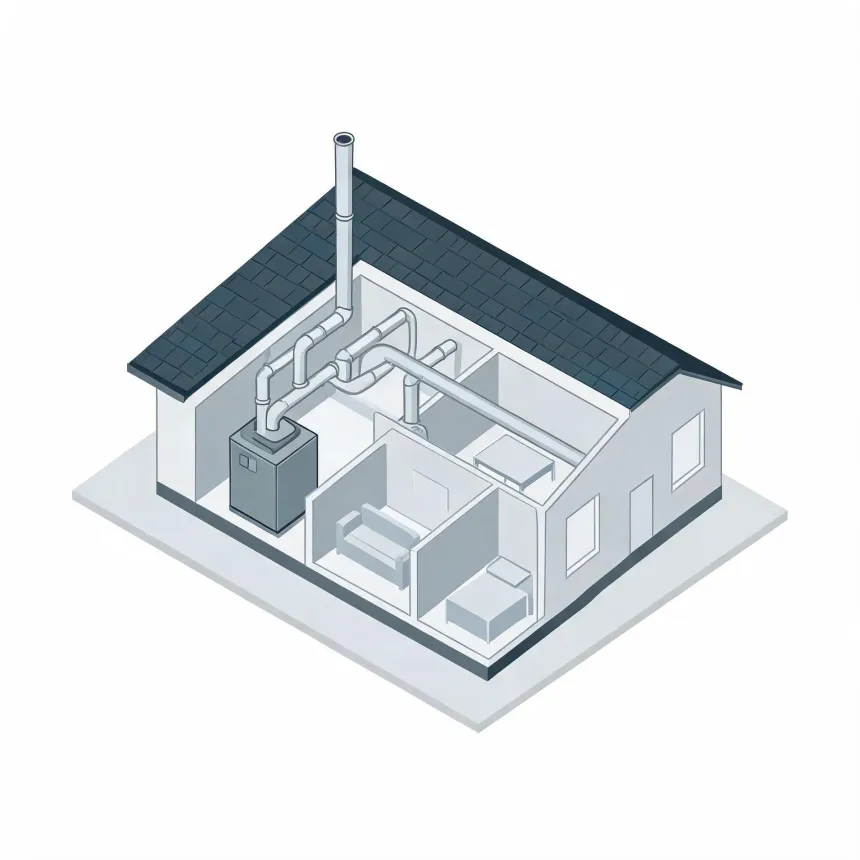
Isometric cutaway illustration of a single-story house showing a gray furnace connected to white ductwork and a flue pipe extending through the shingled roof, with simplified furniture in the interior rooms.
Your furnace works hardest from November through March.

NOAA nClimDiv, 1991–2020 normals

Gas heats 45.1% of homes in Creek County, more than electric or propane.

Most furnace replacements in Sapulpa swap a gas furnace for another gas furnace.

Natural gas here runs $13.54 per million Btu, cheap enough that a high-efficiency furnace isn't the main decision

Climate zone 3A
Heat runs October through April
Winter nights average 29°F

Your furnace here only has to work seven months out of the year, October through April. That's less than two-thirds of the year most of it sits idle. A system that runs that much of the time wears a lot slower than one running near year-round, so when a Sapulpa furnace fails early, age or a lack of maintenance is usually the reason, not overwork. That's good news for picking a replacement. You don't need to chase the highest efficiency rating or the heaviest-duty unit on the lot. A properly sized, reliably built gas furnace will do the job here for years without being pushed hard.

Plan for the outage, not just the cold

Talk to your installer about where the furnace and any outdoor equipment go and what backup options make sense, so a power cut during a cold snap doesn't leave you without heat.

Find a contractor
A gray high-efficiency gas furnace installed in an unfinished basement, surrounded by gas lines, a condensate drain, and sheet-metal ductwork.

A light workload most of the year

Seven months of heat a year is a light workload for a furnace. That's the case for picking a solid, properly sized unit over the biggest or most efficient one on the lot, since it won't be run hard enough here to make the upgrade pay for itself. Put the money into sizing it right and getting the installation done before the cold hits instead.

The old furnace comes out in pieces

A tech disconnects the gas line, the vent pipe and the electrical before anything gets unbolted from the plenum. The heat exchanger and cabinet usually have to be cut down or broken apart to get them out the door they came in, especially if they went in before a newer, tighter doorway or duct run was built around them. None of it goes back in. Whatever hauls it away takes it to scrap, since a cracked heat exchanger or a worn-out blower motor has no resale life left in it.

The new one rarely bolts up the same way

Furnaces change size and shape between models and between brands, so the sheet metal connecting the old unit to the ducts almost never fits the new one without some rework. The vent connector and gas line fittings get swapped to match the new furnace's connections too. This is normal work on any replacement, not a sign something was done wrong the first time.

An unfinished concrete basement containing a gas furnace with sheet-metal ductwork, utility shelving, and exposed overhead joists.

A high-efficiency gas furnace would save about $90 a year to run in Creek County compared with a gas furnace.

  • A high-efficiency gas furnace$490 a year
  • A gas furnace$580 a year

Estimates for a typical Creek County home, from EIA household energy data, Oklahoma fuel prices and NOAA climate normals. Your home will differ.

Installation day starts with a load calculation and a look at the ductwork, not with unboxing a furnace. A tech sizes the unit to the house, checks the vent pipe and gas line for the new furnace's requirements, and confirms the electrical hookup for the blower and control board. Once the old unit is out, the new furnace gets set, connected to the plenum, and tied into the gas, vent and power. Then comes the part that matters most: the startup check. That's where the tech fires the furnace, checks the gas pressure, confirms the flame sensor and igniter are working, and measures the temperature rise across the heat exchanger to make sure it's burning clean and moving the right amount of air. A furnace that passes that check on day one is a furnace that's been installed right, not just installed.