




A gas furnace and sheet-metal air handler unit installed in an unfinished concrete basement.

Furnace Installation in Seminole, OK

Tell us about the job

Takes about a minute. No obligation.

New system or replacementFurnace or heatingSeminole County, OK
Step 1 of 2

What ZIP code is the job in?

Electricity heats 47.7% of homes in Seminole County, more than any other fuel. Gas comes in second at 34.1%, with propane making up most of the rest. If your furnace runs on electricity now, an electric furnace fits the wiring already in place. If it runs on gas or propane, staying with that fuel means the line already run to your house gets used instead of added to. Check which one you have before you start comparing systems.

6 months
November through April, your furnace is on duty
30°F
the average winter night it heats against
80% AFUE
the federal minimum any new unit must meet
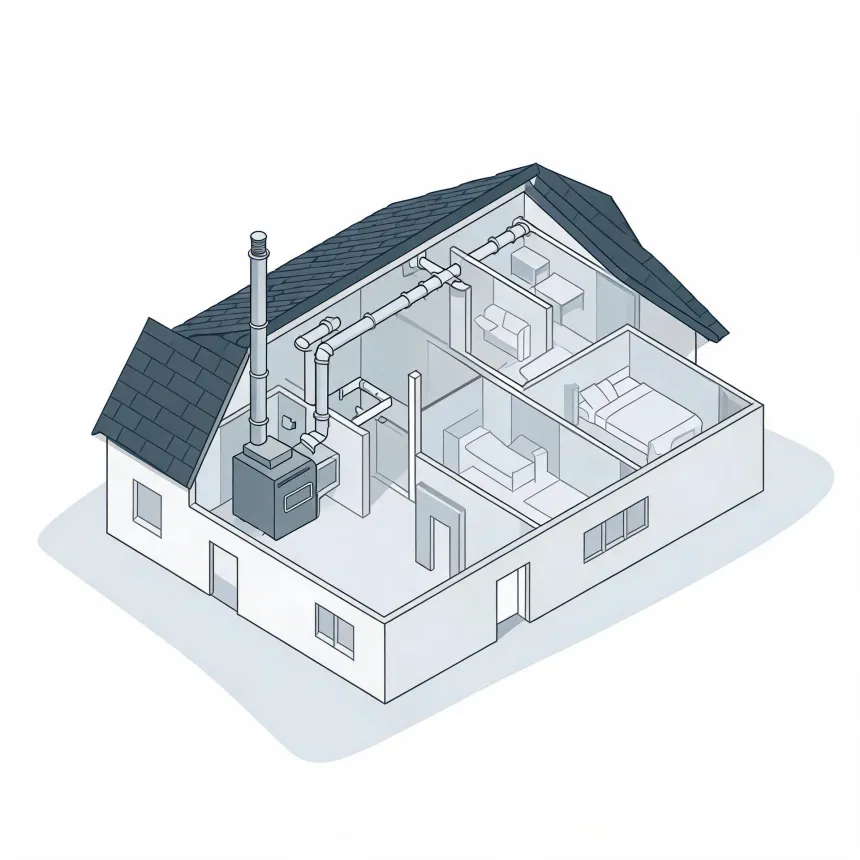
Isometric line illustration of a cutaway house showing interior rooms with furniture and a furnace with ducting and a flue pipe extending through the roof.
Your furnace works hardest from November through March.

NOAA nClimDiv, 1991–2020 normals

Half the homes in Seminole County were built in 1976 or earlier.

A standard furnace size handles an older house or a newer one, as long as it's sized to the house and not just the one it replaces.

Electricity here runs $35.86 per million Btu, so the payback on a high-efficiency furnace is slower

Heat runs November through April
Winter nights average 30°F
Climate zone 3A

Your furnace only has to work November through April here, about six months. The rest of the year it sits idle. Overnight lows average 30°F in December, January and February, which is cold enough to run the heat but nowhere near the load a furnace sees in the upper Midwest or the mountain states. A mid-efficiency furnace sized correctly for your house will keep up without strain. Spending more for the highest efficiency rating available mostly pays off where the furnace runs longer and harder than it will here.

Go with the standard fit

A standard size and efficiency fit fine here. There's no local reason to go bigger or pricier.

Find a contractor
A man in a cap, dark jacket and tan work pants walks up concrete steps toward a dark blue front door, carrying a canvas tool bag at his side.
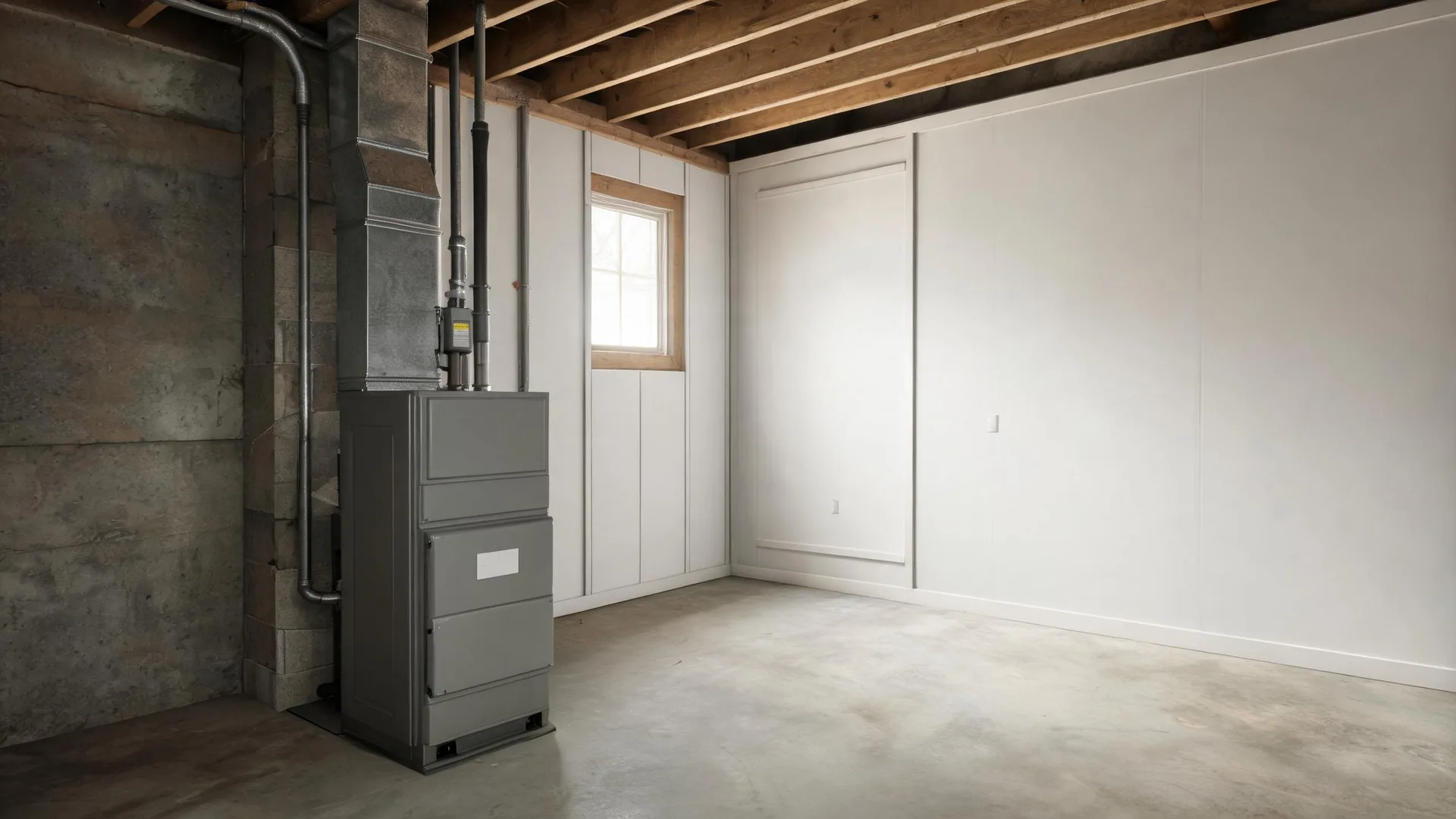
A gas furnace with attached ductwork, gas piping, and condensate lines installed in a concrete-block basement.

Put a new furnace in before November, not after

Furnaces here start running in November and keep going through April. Get a new one in before October ends and you're choosing the install date. Wait until the first cold snap and you're choosing whatever slot a contractor has open, with no heat in the house while you wait.

AFUE measures what the flame leaves behind

The rating on the label tells you how much of the fuel burns into heat for the house and how much goes out the flue. It says nothing about how big the furnace is or whether it fits your house. A correctly sized furnace at a lower rating still beats an oversized one at a higher rating, since an oversized furnace cycles on and off instead of running steady.
The rating only pays back if the furnace runs hard

A higher AFUE costs more upfront because of the extra parts it takes to pull heat out of the exhaust before it leaves, a second heat exchanger usually, sometimes a condensing coil. Those parts earn their keep when the furnace runs long hours against a hard cold. Where the furnace runs light, the fuel saved each month is small, and it takes a long time for that saving to catch up to what you paid extra for the rating.

Sizing a furnace comes down to matching the heat it makes to the heat the house loses, nothing more. A contractor works this out room by room, adding up the walls, the windows, the ceiling, how much of each the house has and what's on the other side of them. That math is the load calculation, and it's the only honest way to size a furnace. Going by the old unit's size just copies whatever mistake was already there, and square footage alone misses too much to trust. Oversized is the common miss, and it feels fine at first because the house heats up fast. But a furnace that's too big satisfies the thermostat before it's finished its heating cycle, so it shuts off early, cools down, and fires again, over and over through the day. That short cycling wears the igniter and the blower motor harder than steady running ever would, and it leaves rooms far from the thermostat colder than the one it's reading. Undersized is the quieter failure. It just runs long and never quite catches up on the coldest days. Right sized, the furnace runs a long steady cycle, heats the house evenly, and shuts off. That's what the load calculation is for.

Installation day starts with the old furnace coming out, along with whatever ductwork or venting doesn't carry over to the new one. The gas line, the electrical, and the vent all get checked against what the new furnace needs, since a bigger or more efficient unit sometimes wants different venting than what was there before. Setting the new furnace in place and connecting the ducts is the fast part. Most of the day goes to the gas line, the electrical hookup, the condensate line if the furnace needs one, and the vent pipe out of the house, each connected and checked on its own. Once it's all tied in, the furnace gets fired up and run through a full cycle while the technician checks the gas pressure, the temperature rise through the system, and the airflow at the vents. A furnace that's wired right but not set up right will still run poorly, so this last check is what makes the install actually finished.