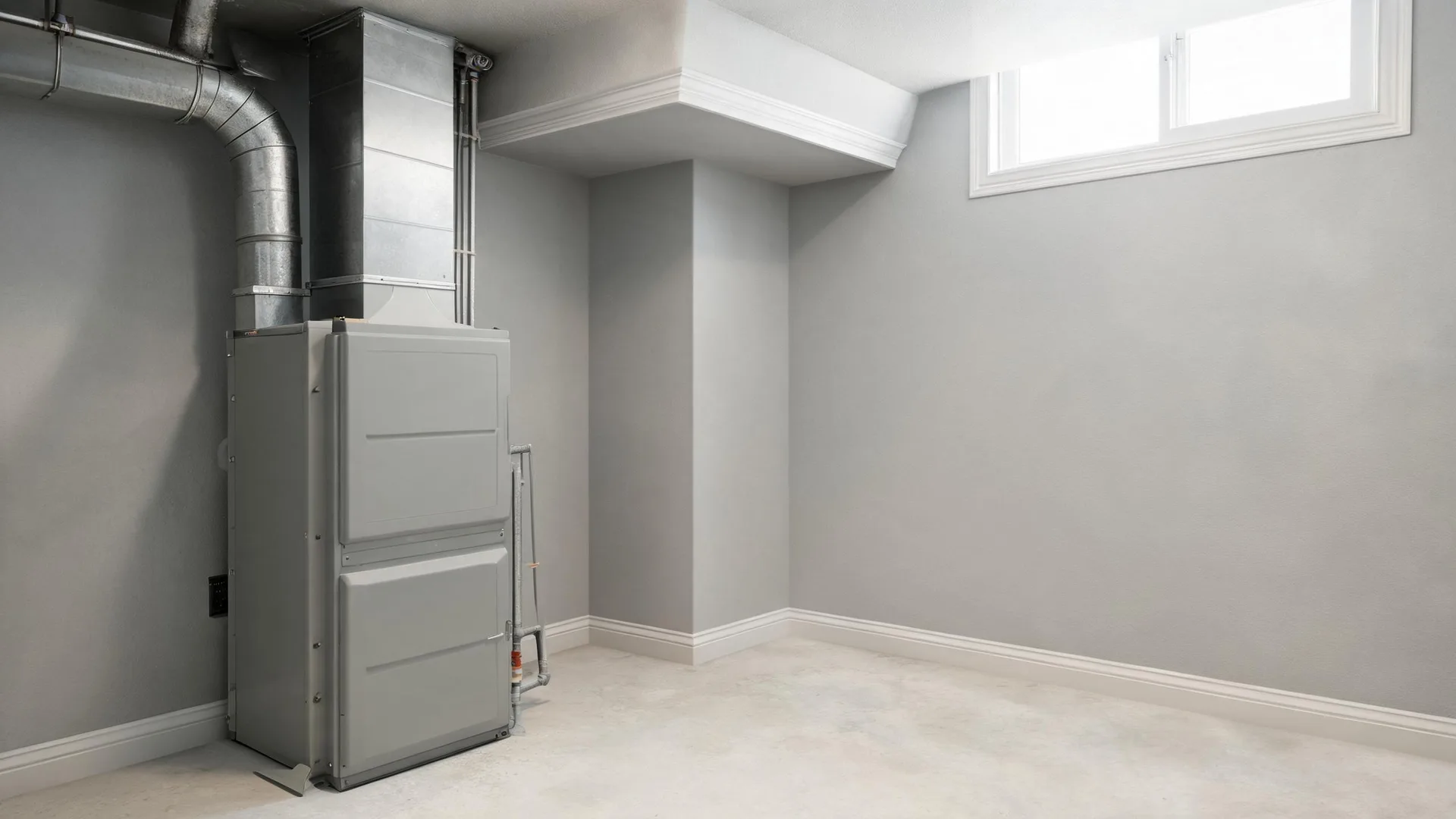
Electric heat leads here
Electricity heats 38.2% of homes in Adair County, more than gas or propane. Utility gas runs 30.0% and LP gas another 15.1%, so a good share of furnaces here still burn gas or propane.
Takes about a minute. No obligation.
Electricity heats 38.2% of homes in Adair County, more than gas or propane. Utility gas runs 30.0% and LP gas another 15.1%, so a good share of furnaces here still burn gas or propane.
If your old furnace runs on gas or propane, staying with that fuel usually means a simpler install, since the line and venting it needs are already in place. Switching fuels is possible, but it means asking a contractor what the house would need to support it.
NOAA nClimDiv, 1991–2020 normals
Half the homes in Adair County were built in 1982 or earlier, half later.
Either way, a standard sized furnace fits the job, no special sizing needed.



Adair County gets its share of rough weather, with dozens of damaging wind and hail events over the past decade plus a number of tornadoes. None of that changes what furnace to put in. A standard size and efficiency unit handles the heating load here the same as it would anywhere else in this part of Oklahoma. What's worth asking about is backup, since a quarter of Oklahoma households went at least a day without power in 2024. A gas or propane furnace still needs electricity for its blower and controls, so an outage shuts it down same as an electric system. Ask a contractor what backup options fit your situation if that matters to you.
Nothing about Adair County pushes you toward a bigger furnace or a higher efficiency tier than you'd use anywhere else in this part of Oklahoma. The furnace that fits your house is sized for your house, not the county. Pick the fuel that matches what's already there, get the size right for the space, and move on it.
Find a contractor
Furnace here runs about seven months, October through April. Overnight lows average 29°F in December, January and February, so most of that runtime is the furnace holding against cold, not mild weather. That's a normal load for this part of Oklahoma. A standard size and efficiency furnace is built for exactly this kind of stretch, and nothing about running it October through April wears it down faster than it would anywhere else nearby.
A contractor shuts off the gas or power to the old furnace, disconnects the ducts and venting, and removes the unit from the house. If it's a gas furnace, the gas line gets capped off safely. The old thermostat usually comes out too if it's being replaced to match the new system.
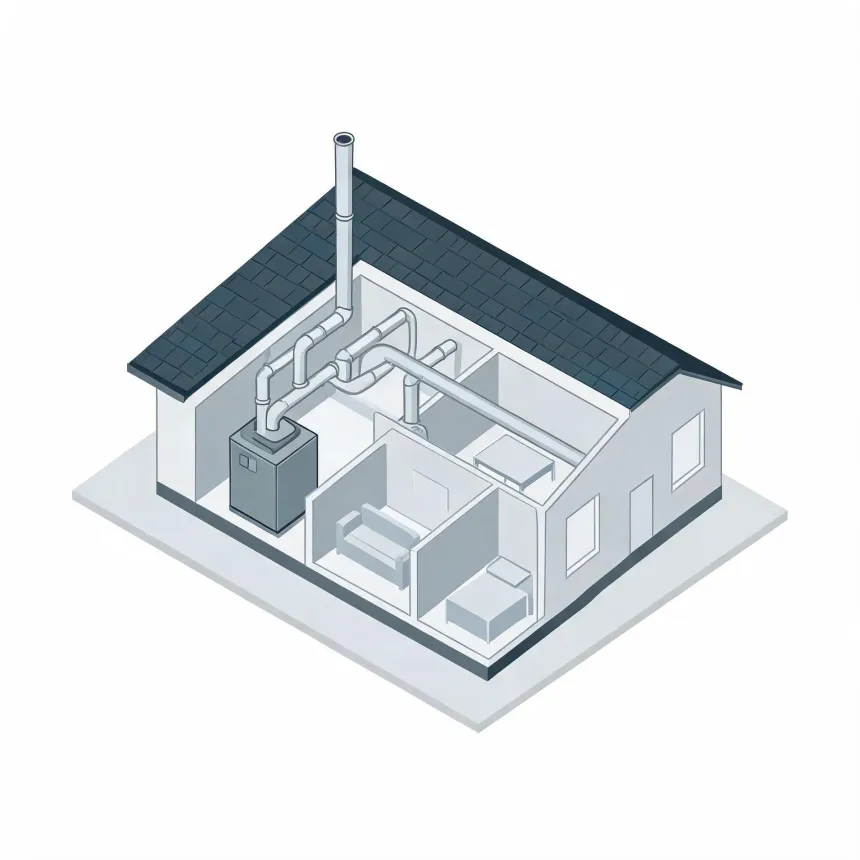
Ducts, venting and the gas or electric line already run to wherever the old furnace sat, so most installs reuse that location. But if the new furnace is a different type or needs different venting, a contractor may need to adjust those connections before the new unit goes in.
When you're comparing quotes, ask what size furnace each contractor is proposing and how they got that number. It should come from a load calculation based on your square footage, windows, and insulation, not just a match of whatever was there before. Ask about the efficiency rating too, and what venting it needs, since a higher efficiency furnace vents differently than an older one and that can add work to the install. Find out what's included beyond the furnace itself. Some quotes cover a new thermostat, new ductwork connections, or a permit and inspection, others don't. Ask what warranty covers the furnace itself versus the labor to install it, since those are usually separate and run for different lengths of time. And ask how they'll handle the old unit, since removal and disposal should be part of the job, not an extra.
Installation day starts with the old furnace coming out and ends with the new one running a full heat cycle before the crew leaves. Once the new unit is set in place, the gas line or electrical circuit gets connected, then the ductwork and venting get sealed up at every joint. A gas furnace gets checked for leaks before anything is fired up. Once it's running, a contractor checks the temperature rise across the furnace, since too high or too low means something's off with airflow or the burner setup. The thermostat gets wired in and tested last, and a contractor should walk you through it before calling the job done.