


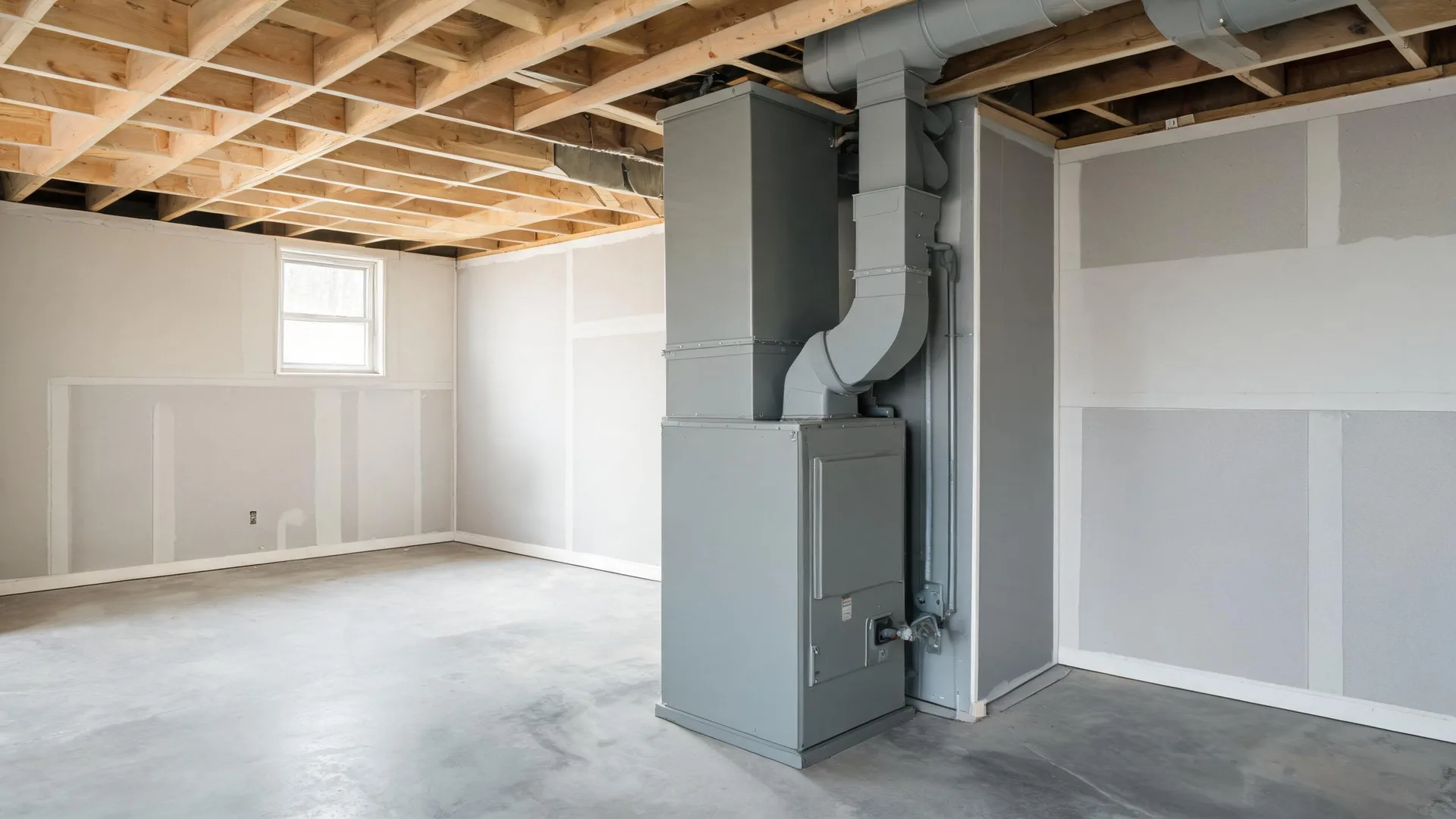
An unfinished basement containing a gas furnace with ductwork in the foreground and miscellaneous stored items along the far concrete wall.

Furnace Installation in Weatherford, OK

Tell us about the job

Takes about a minute. No obligation.

New system or replacementFurnace or heatingCuster County, OK
Step 1 of 2

What ZIP code is the job in?

Custer County saw 183 severe weather events between 2015 and 2024. That includes 98 damaging wind events, 60 hail events, and 16 tornadoes. Nine winter storms brought heavy snow, ice or blizzards in that same stretch. A new furnace has to be installed with that in mind, not just sized for a cold day. Statewide, a quarter of Oklahoma households went at least 24 hours without power last year, and a furnace that depends on electricity to run is only as reliable as the grid feeding it.

7 months
October through April, your furnace is on duty
27°F
the average winter night it heats against
80% AFUE
the federal minimum any new unit must meet
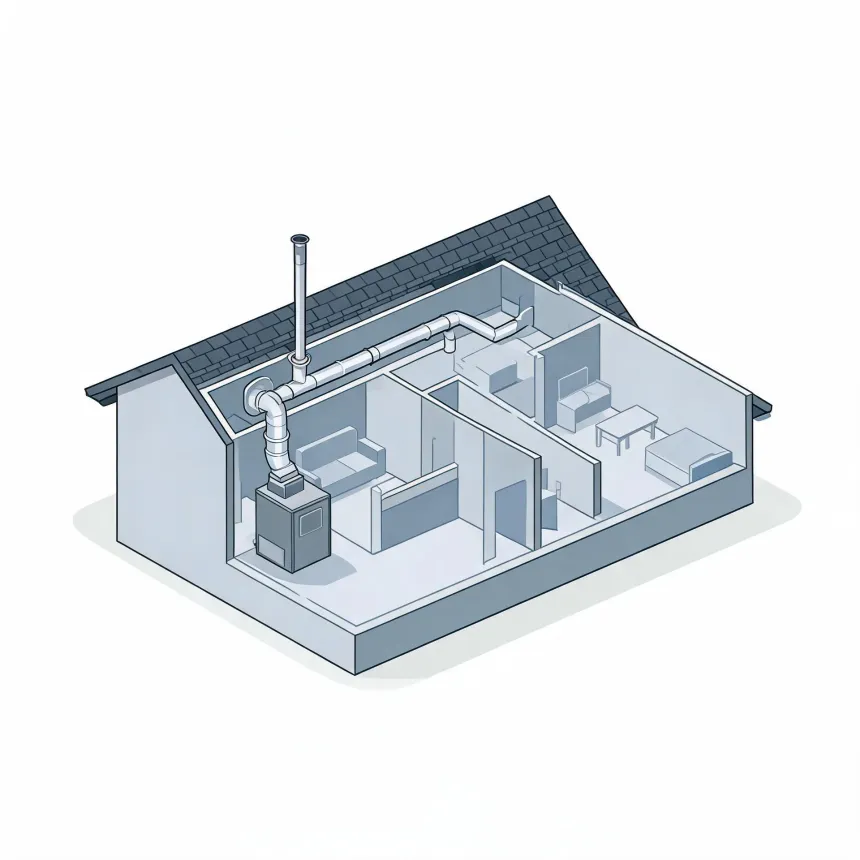
Isometric cutaway illustration of a single-story house showing interior rooms with furniture and a furnace connected to ductwork and a vertical flue pipe extending through the roof.
Your furnace works hardest from November through March.

NOAA nClimDiv, 1991–2020 normals

Electricity heats about half the homes in Custer County, close to three times the share on bottled or LP gas.

A straight electric furnace replacement is the job most crews here already know how to do right.

Install before October so a storm season isn't the first test it gets

Heat runs October through April
Climate zone 3A
Winter nights average 27°F

Custer County falls in climate zone 3A, which runs warm with a long cooling season and a short winter. Any furnace installed here still has to meet the federal minimum: units built from November 19, 2015 on must turn at least 80 percent of the gas they burn into heat over the winter. That floor rises to 95 percent for furnaces built on or after December 18, 2028, so a unit bought after that date has to clear a higher bar than one bought today. The rule narrows which furnaces a contractor can legally install here, gas or not. It doesn't change because the winters are mild.

Plan the install around the storms this county already gets

Ask about where the outdoor equipment and venting will sit before install day, since wind and hail hit this county on a regular basis. Ask what happens to your heat if the power goes out, since a furnace that runs on electricity needs the grid to run. Settling these two things now is part of the installation, not an extra step after.

Find a contractor
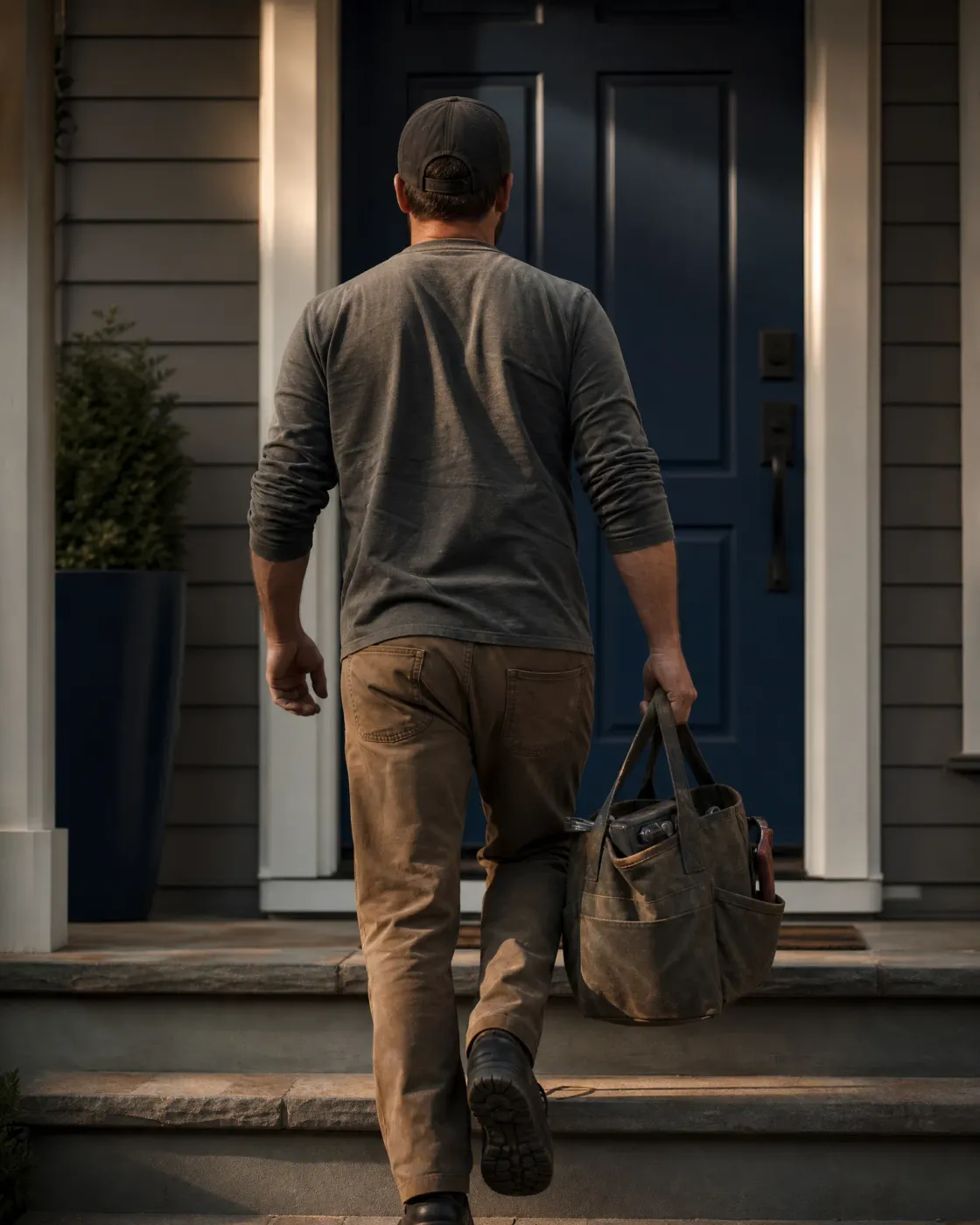
A man in a cap, gray long-sleeve shirt and tan pants walks up stone steps toward a dark blue front door, carrying a waxed canvas tool bag in his right hand.
A gray residential gas furnace installed in an unfinished basement, surrounded by ductwork, a metal flue pipe, and a gas supply line.

The right size comes from a calculation, not a guess

Size comes from a heat loss calculation, not from the size of the furnace already there. A contractor walks the house, measures every wall, window and door, checks the insulation, and figures out how fast the place loses heat on the coldest days. That number, not a guess, is what sizes the furnace. Too big and the furnace short cycles, heating the house fast then shutting off before it has run long enough to warm things evenly or wear in properly. Rooms end up with hot and cold spots, and the extra starts and stops wear on the igniter and the blower motor sooner than they should. Too small and it runs constantly in the cold stretch, struggling to keep up and pushing the heat exchanger harder than it was built for. A furnace sized right runs in long, steady cycles. That steady run is what keeps the house even from room to room and what lets the parts inside last as long as they're meant to.

Ask what each system needs to start and run

A gas furnace needs an igniter to light the burners and a blower motor to push air through the ducts. An electric furnace skips the gas valve and burners entirely and heats with electric elements instead, but it still needs that same blower to move the air. Ask what has to go right for each option to turn on and stay running, not just how it performs once it's going.
Ask how each one holds up over the years

A heat exchanger can crack with age and heavy cycling, and once it does, the furnace needs to come out of service until it's replaced. Electric elements don't deal with combustion at all, so that failure point isn't part of the picture, though the elements themselves wear with use like any heating part. Ask what tends to fail on each system over its life and what that repair or replacement actually involves.

Cost comes down to what the job actually involves, not just the furnace sitting in the truck. Taking out the old unit, running new venting if the new furnace needs a different kind, adapting the ductwork to fit, and tying in the gas line or the electrical circuit all add labor beyond the equipment itself. A furnace that's a straight swap, same fuel type, same location, same duct connections, costs less to put in than one that changes any of those. Efficiency rating matters too: a furnace built to hit a higher percentage has more parts inside doing that work, like a second heat exchanger to pull extra heat out of the exhaust before it leaves the house. Permits and inspection are part of the job as well, not an add-on, since gas and electrical work on a furnace has to be signed off. Ask what's driving the number on any quote, not just what the total is.

Install day starts with the old furnace coming out, and if it's a gas unit, the gas line gets capped off before anything else happens so there's no open line sitting in the house. The new furnace gets set in place and leveled, then the ductwork, venting and gas or electrical connections get tied in. Once it's connected, a tech checks the gas pressure or the electrical draw depending on the fuel type, fires it up, and watches it run through a full cycle. Static pressure in the ducts gets checked too, since a furnace pushing against the wrong resistance won't heat evenly no matter how well it was sized. On a gas furnace, the tech also checks for proper flue draft and tests for carbon monoxide before calling the job done. The whole point of that last stretch isn't paperwork. It's making sure the furnace does exactly what it's supposed to do before anyone's relying on it on a cold night.