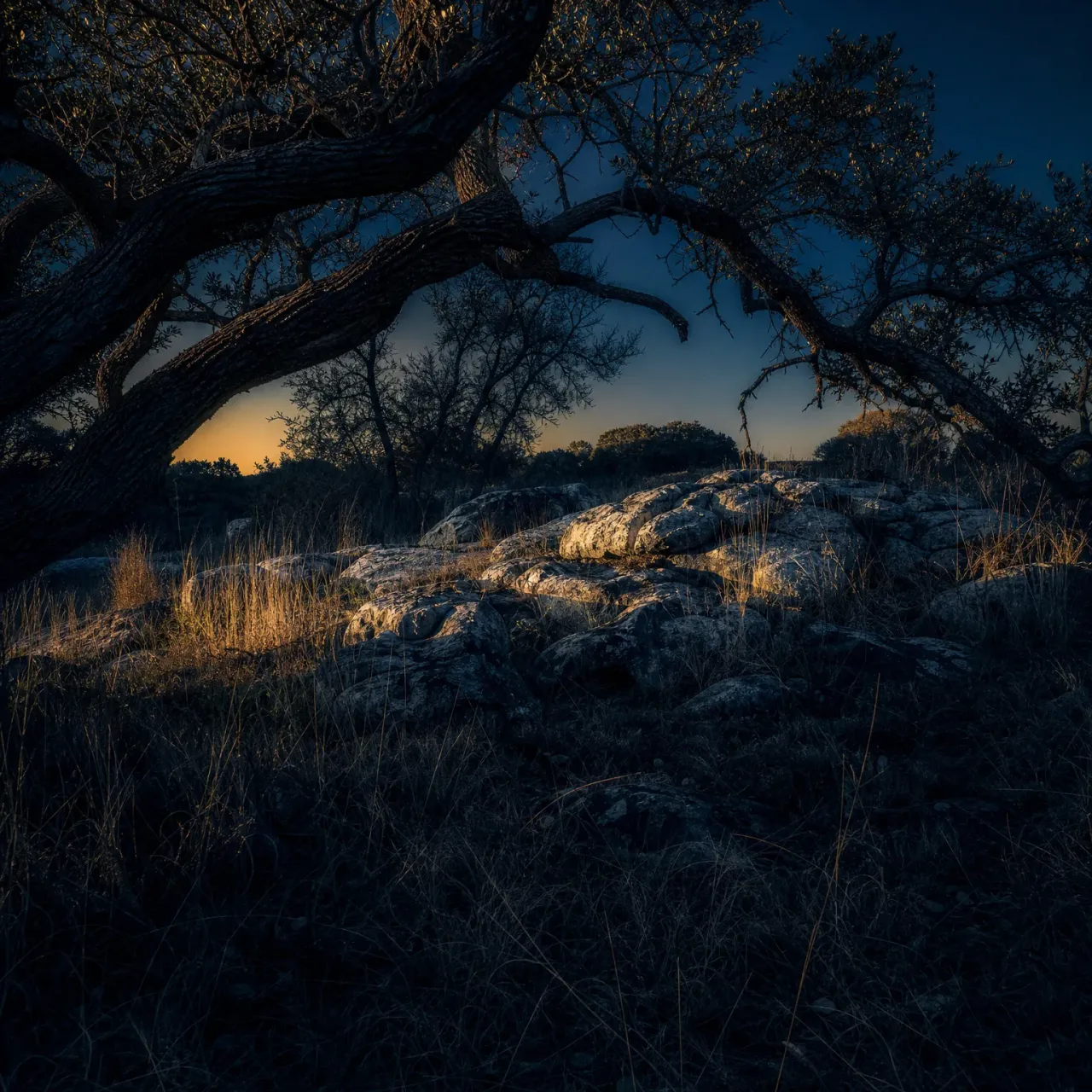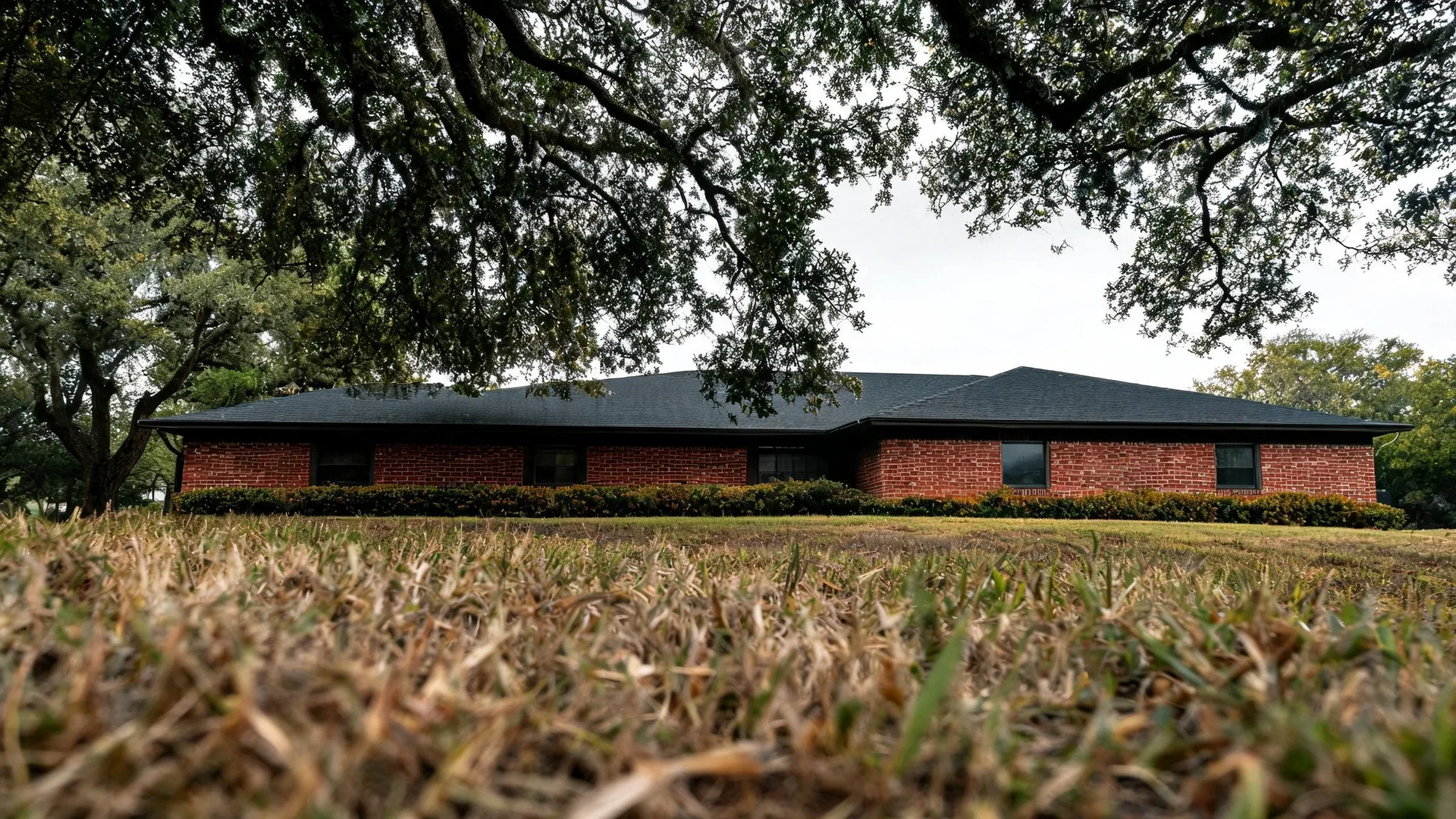
A single-story red brick house with a dark shingled roof and trimmed hedges, seen from across a dry lawn framed by overhanging oak branches under an overcast sky.

Furnace Installation in Yukon, OK

Tell us about the job

Takes about a minute. No obligation.

New system or replacementFurnace or heatingCanadian County, OK
Step 1 of 2

What ZIP code is the job in?

Storms come through often here

Canadian County logged 236 severe weather events between 2015 and 2024. That includes 110 hail events, 97 cases of damaging wind, and 13 tornadoes. A furnace installed here needs to hold up against what the county actually sees.

The power doesn't always hold

A quarter of Oklahoma households went at least a full day without power in 2024. A gas furnace still needs electricity to run its blower and ignition, so an outage can mean no heat even with the gas on.

7 months
October through April, your furnace is on duty
29°F
the average winter night it heats against
59%
of homes here heat with gas, so most furnaces here burn gas
80% AFUE
the federal minimum any new unit must meet
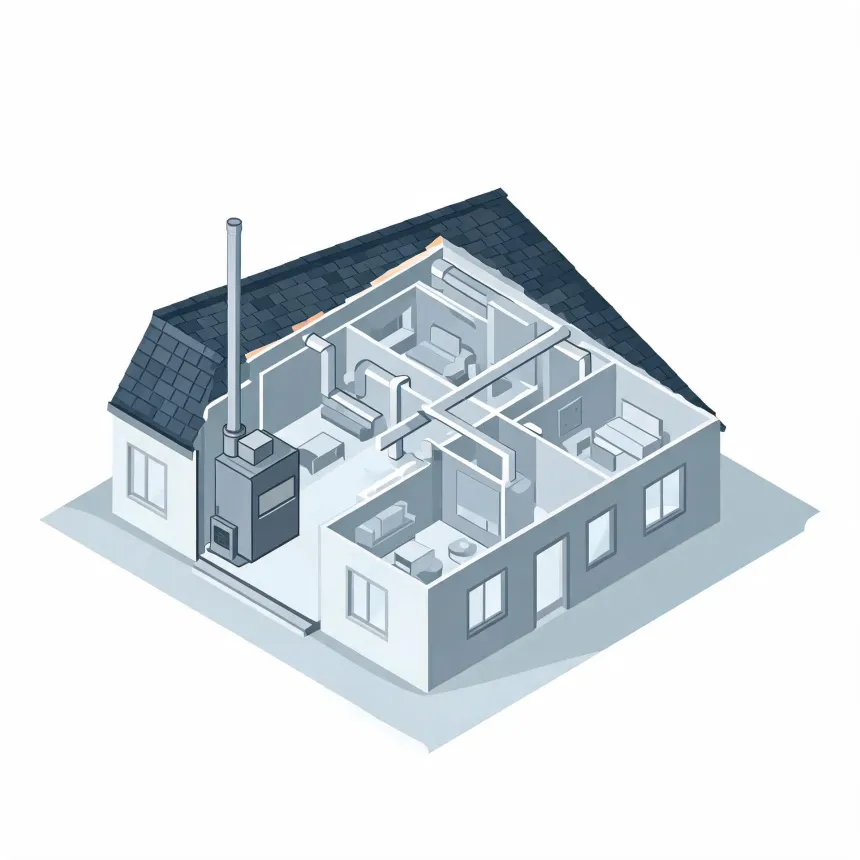
Isometric cutaway illustration of a single-story house showing interior rooms, ductwork, and a dark furnace unit with a tall flue pipe rising past the shingled roof.
Your furnace works hardest from November through March.

NOAA nClimDiv, 1991–2020 normals

Furnaces here start running in October, with winter settling in by December and January, when overnight lows average 29°F.

September is the month to have a new furnace in, before the cold sets in and a failed install leaves you scrambling for heat.

Gas heats almost 6 in 10 homes here, and most furnaces installed get replaced with the same

58.8% of homes heat with gas
Climate zone 3A
Heat runs October through April
Cheap power changes the mathOklahoma gas ran $13.54 per million Btu in 2024, so a high-efficiency furnace takes longer to pay for itself here

Canadian County falls under climate zone 3A, and any furnace installed here has to meet that zone's minimum efficiency. Right now that means at least 80 percent of the gas it burns has to turn into heat over the winter. Furnaces built on or after December 18, 2028 will have to hit 95 percent, so what counts as the minimum is changing. That doesn't leave a lot of room for the cheapest unit on the lot. A furnace rated below the 80 percent floor isn't legal to install here, no matter what it costs.

Plan for the outage before you plan for the cold

A new furnace still needs power to run its blower and ignition, and this county loses power to storms more than most. Talk through where the install leaves you if the power drops: whether a transfer switch or backup power makes sense alongside it, and where the outdoor equipment sits so hail and wind don't take it out first. Settle that as part of the install, not after a storm already has.

Find a contractor
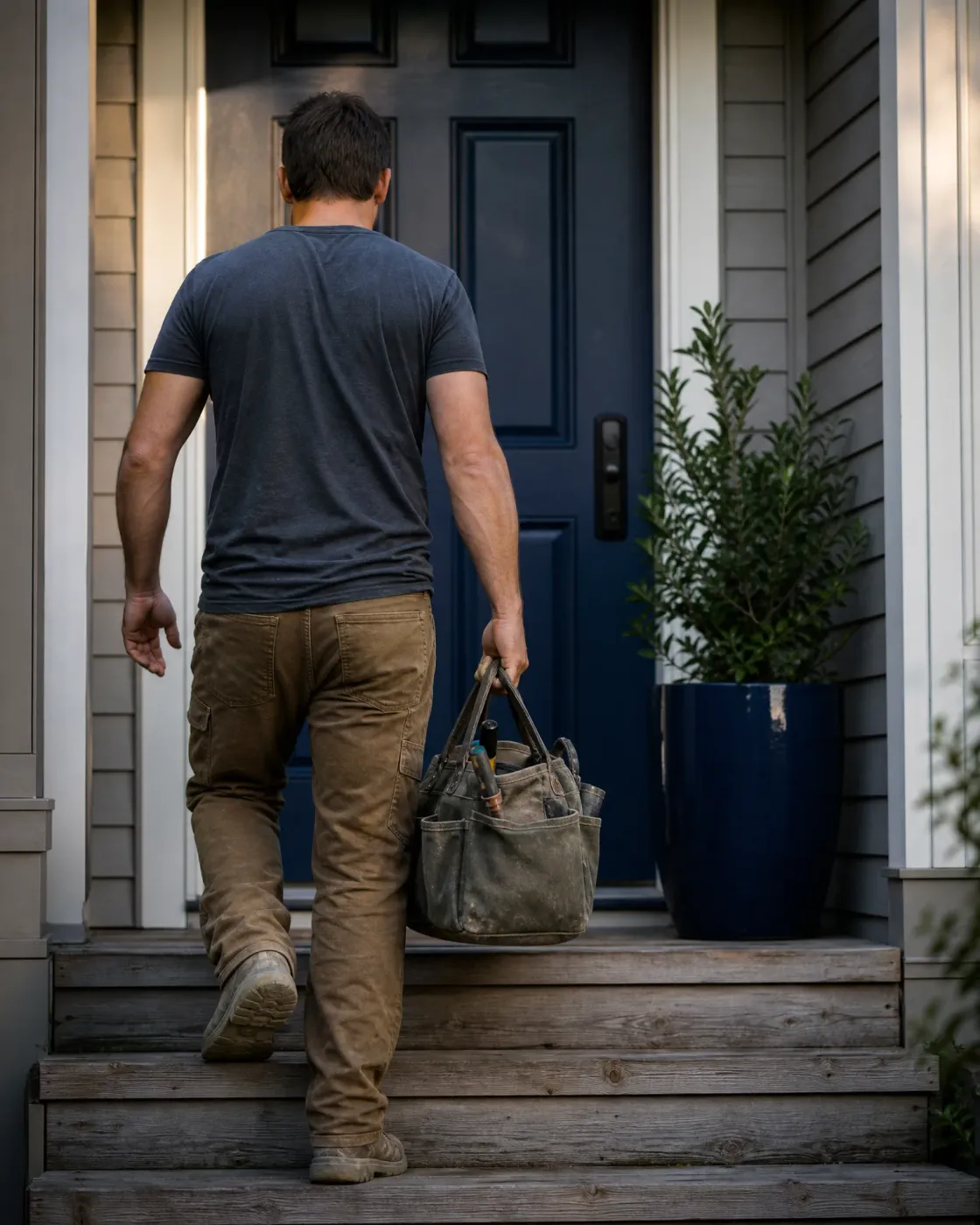
A man in a gray t-shirt and tan work pants, seen from behind, carries a canvas tool bag up wooden porch steps toward a dark blue front door beside a potted shrub.
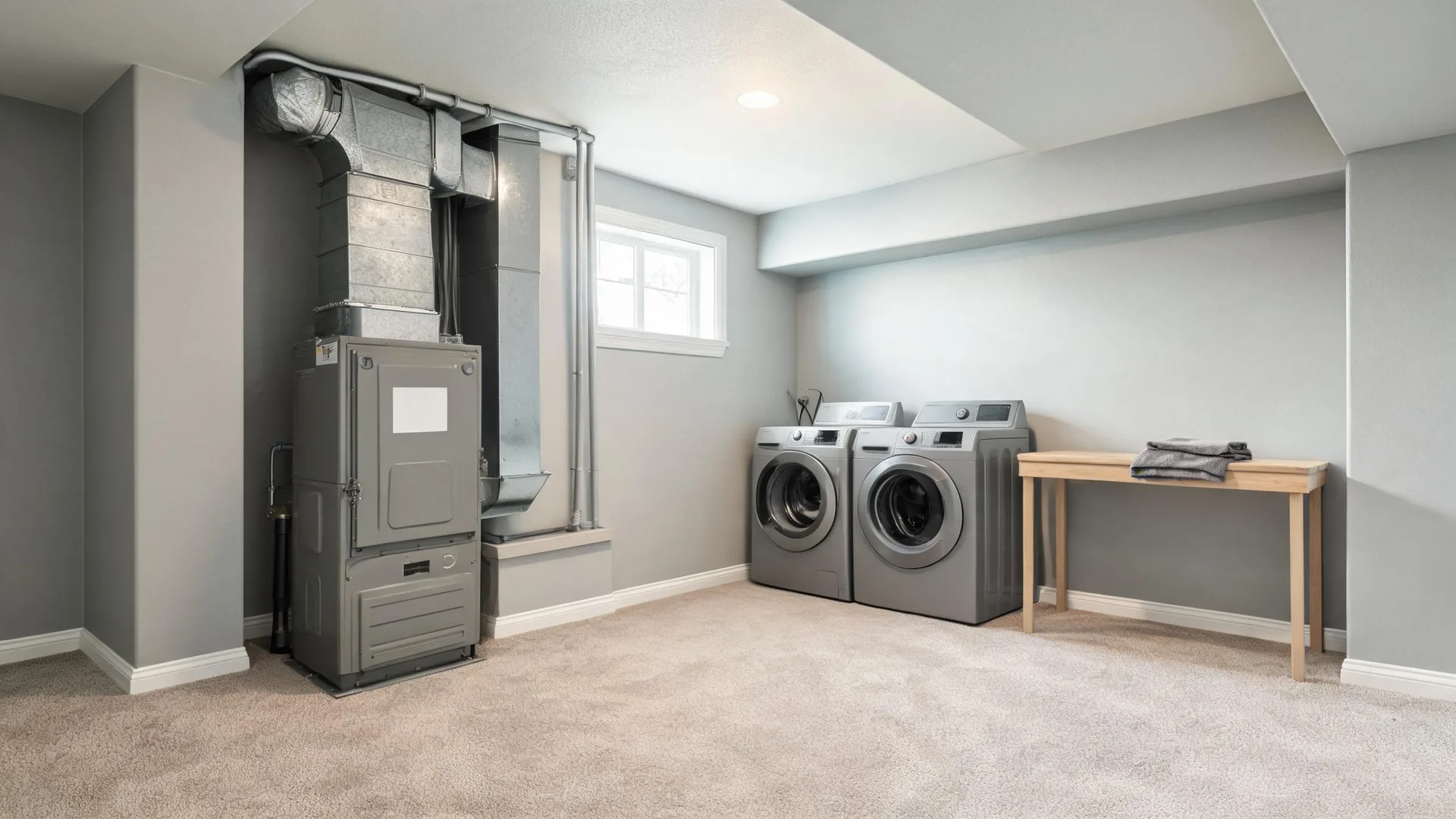
A gray high-efficiency gas furnace installed in an unfinished basement, surrounded by gas lines, a condensate drain, and sheet-metal ductwork.

The size has to match the house, not the old unit

Sizing a furnace comes down to matching how fast the house loses heat to how much heat the furnace can put out. A contractor works this out room by room, with a load calculation that looks at windows, walls, ceiling height and how they all face. That number, not the size of the old furnace, is what the new one should match. Too big and it runs in short bursts, heating the house fast and shutting off before it pulls moisture out of the air or warms things evenly. Short cycling like that also wears on the ignition system and the blower motor sooner than they should wear. Too small and it runs constantly, struggling to hold the temperature on the coldest nights and still driving up wear while coming up short on comfort. The right size runs in long, steady cycles, which is easier on every part of the system and keeps the heat even from room to room.

The furnace itself is rarely the biggest line item

A furnace is one piece of a heating system, and most of what drives the price is everything around it. Ductwork that's too small, leaky or poorly laid out has to be corrected or the new furnace won't heat evenly no matter how good it is. Venting has to match the furnace's efficiency rating, and switching from an older style to a high-efficiency unit often means running new venting entirely. The gas line has to supply enough fuel for the furnace's size, and the electrical circuit has to handle its blower and controls. None of that shows up on a price tag for the unit alone.

What the house needs decides more than what's on the shelf

The right furnace size comes from a load calculation, not from matching the old unit, and that number can push the job toward a bigger or smaller furnace than expected. Where the furnace sits matters too. A closet, attic or crawlspace install each call for different venting, different clearances and sometimes a different cabinet orientation. A furnace paired with an existing air conditioner has to match the blower that system needs, so the coil and ductwork get checked as part of the job, not after. Every one of these is settled before the price is, because each changes what the install actually involves.

An unfinished basement containing a metal furnace with ductwork, exposed wooden joists on the ceiling, cardboard boxes, a coiled cable, and a single hanging incandescent bulb.

A high-efficiency gas furnace would save about $90 a year to run in Canadian County compared with a gas furnace.

  • A high-efficiency gas furnace$490 a year
  • A gas furnace$580 a year

Estimates for a typical Canadian County home, from EIA household energy data, Oklahoma fuel prices and NOAA climate normals. Your home will differ.

Since gas here runs cheap, chasing the highest efficiency rating on the shelf isn't where the money question really sits. The bigger payoff is picking a furnace that keeps running when a storm knocks the power out or hail takes a swing at the outdoor equipment. A unit that sits a notch below the top efficiency tier but holds up through a bad winter will serve this county better than one that's a few points more efficient but fussier about power quality or harder to get parts for. Ask what happens to that furnace during an outage and after a hailstorm before asking how fast it pays for itself, because here, it won't pay for itself fast either way.