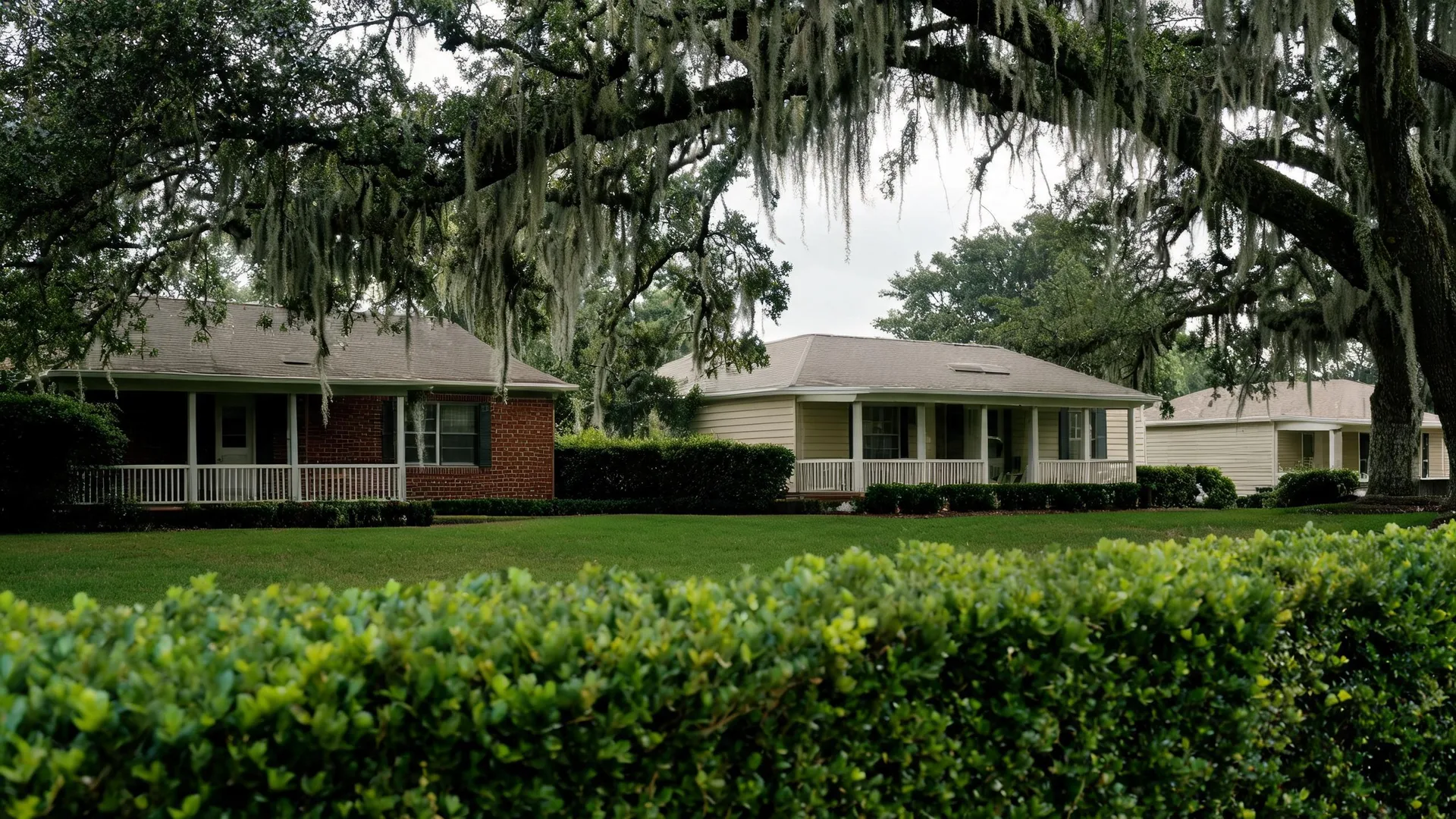





Single-story houses, one brick and one with light siding, both with covered porches, behind a mowed lawn and trimmed hedge, under large moss-draped oak branches.

Furnace Installation in Grove, OK

Tell us about the job

Takes about a minute. No obligation.

New system or replacementFurnace or heatingDelaware County, OK
Step 1 of 2

What ZIP code is the job in?

Delaware County saw 117 severe weather events between 2015 and 2024. That includes 47 damaging wind events, 40 hail events, and 18 tornadoes. Winter storms, the ice and heavy snow that come with cold fronts here, added 12 more. A quarter of Oklahoma households lost power for a day or more in 2024. A furnace needs electricity to run its blower and controls, so a power cut in the middle of winter leaves the house without heat no matter how well the furnace itself is working.

7 months
October through April, your furnace is on duty
28°F
the average winter night it heats against
80% AFUE
the federal minimum any new unit must meet
Isometric cutaway illustration of a house with a shingled gable roof, showing a gray furnace unit connected to overhead ductwork and a chimney flue, with simplified furniture in the rooms below.
Your furnace works hardest from November through March.

NOAA nClimDiv, 1991–2020 normals

More than half the homes in Delaware County heat with electricity.

An electric furnace fits the way homes here are already wired, which makes putting one in straightforward.

Seven months of the year, this furnace is the only thing standing between you and 28 degrees

Heat runs October through April
Winter nights average 28°F
12 winter storms from 2015 to 2024

Delaware County falls in climate zone 4A, which asks real work of a furnace in both directions, muggy summers and cold winters alike. That classification sets a floor on efficiency, not a ceiling, so every furnace installed here has to turn at least 80 percent of the gas it burns into heat. Furnaces built from December 18, 2028 on have to hit 95 percent. That is a jump worth knowing about if you are weighing a system now against waiting. A contractor can walk through which models on the market already clear that bar.

Plan for the outage, not just the cold

Ask what happens to this furnace when the power goes out, not just when it's cold. The blower and controls need electricity to run, gas or electric furnace alike, so a backup plan matters here as much as the furnace itself. A contractor can walk through options for keeping heat on through an outage.

Find a contractor
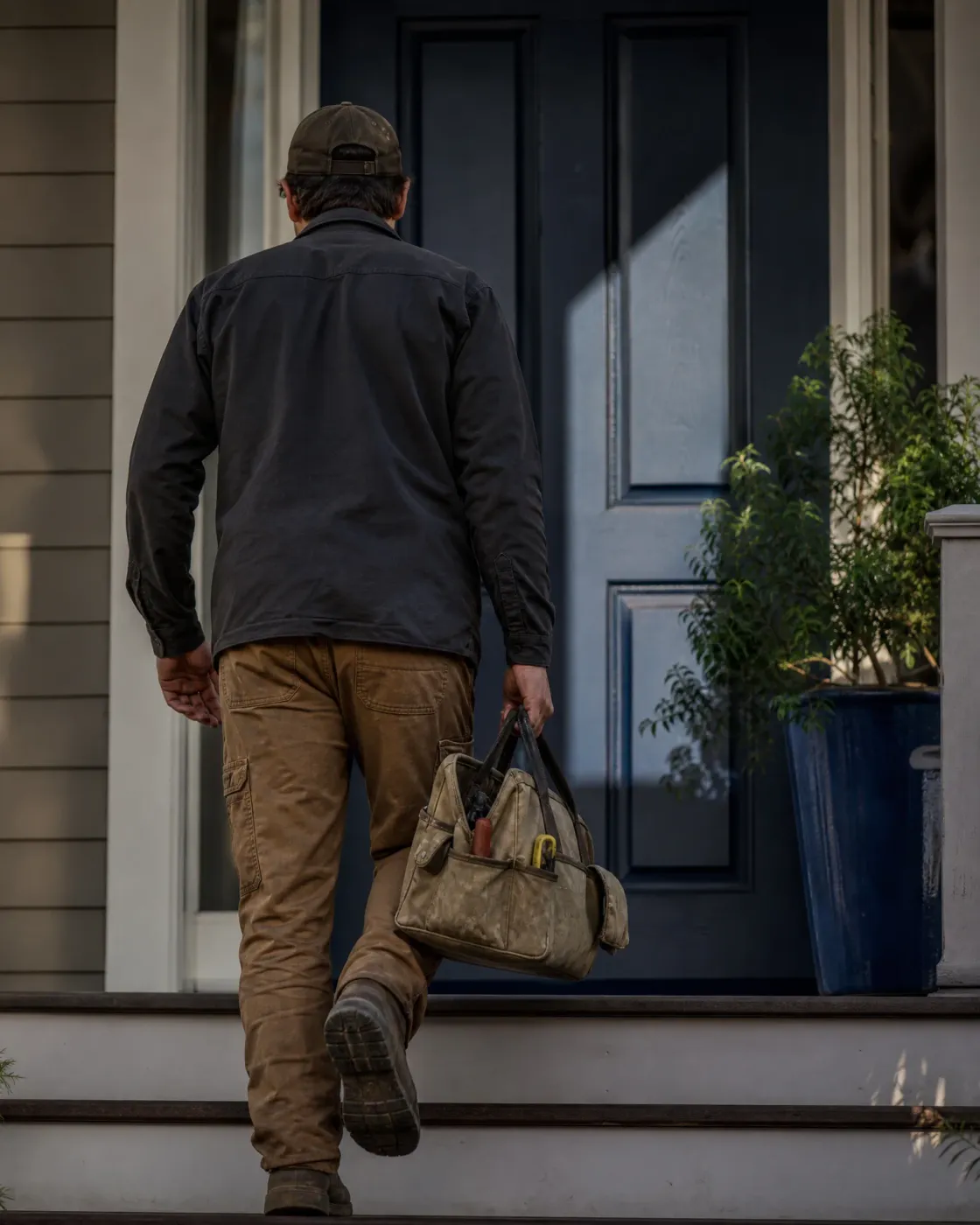
A man in a cap, dark jacket and tan work pants walks up porch steps toward a dark blue paneled door, carrying a canvas tool bag with tools in its outer pockets, beside a potted shrub.
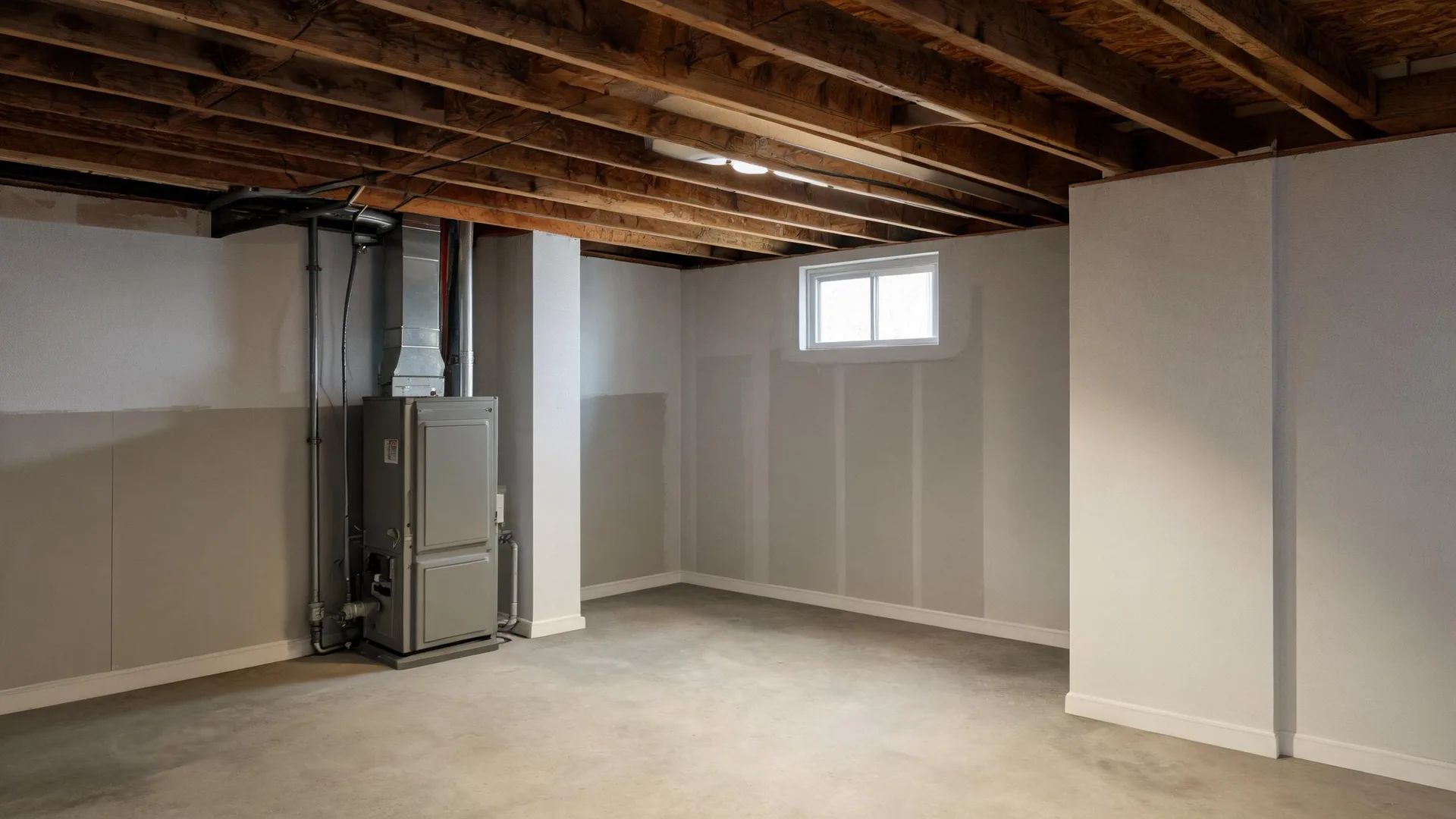
A gray high-efficiency gas furnace installed in an unfinished basement, surrounded by gas lines, a condensate drain, and sheet-metal ductwork.

The label tells you what happens to the fuel it burns

That efficiency number on the label tells you how much of the fuel the furnace burns actually turns into heat in your house, and how much goes out the flue. The rest is lost to the exhaust no matter what you do. A higher rated furnace squeezes more heat out of the same flame, so it cycles differently than an older one. You'll notice it run longer at a lower output instead of blasting hot air and shutting off. That's by design, not a sign of trouble. The rating also assumes the furnace is sized right and the ductwork can move the air it produces. An oversized furnace with the right label can still run inefficiently in practice, short cycling and wearing out its parts faster. A contractor sizing the unit to the house is what makes that number mean something once it's installed.

The old furnace has to come out first

A contractor disconnects the gas line and the venting, then pulls the furnace and its ductwork connections apart to get it out of the closet or basement. If it's a forced air system, the plenum and the flue get checked too, since the new furnace may vent differently than the old one did. None of this is quick work, and rushing it is how a bad connection gets left behind.
What's underneath matters more than the furnace itself

Pulling the old unit is also when a contractor can see the ductwork, the gas line and the electrical hookup that the new furnace will depend on. A furnace only performs as well as what it's connected to, so this is the point to flag a duct that's too small or a line that needs updating, before the new system gets judged against problems it didn't cause.

A furnace quote covers more than the box in the closet. The size of the unit matters first: one sized to the house runs efficiently, while one that's too big or too small costs more to run and wears out faster no matter what it's rated for. Ductwork is the other half of it. If the existing ducts are too small or leaky, a contractor has to account for that before the furnace can heat the house the way its label promises. The vent and flue type factor in too, since a higher efficiency furnace often vents differently than what was there before, and that can mean new venting material rather than reusing what's already in place. The gas line and electrical hookup get checked against what the new unit needs, and either one can need work if the old furnace was running on an older setup. None of this is optional or padding. It's what makes the furnace actually work once it's installed, instead of just fitting in the space where the old one sat.

Installation day starts with a walkthrough, not a wrench. A contractor confirms the furnace and the ductwork agree with each other before anything gets disconnected. Once the old unit is out, the new one gets set in place, leveled, and connected to the gas line, the vent, the ductwork, and the electrical supply in that rough order. Each connection gets tested as it's made, not all at once at the end. After startup, the contractor checks the flame, the airflow at the registers, and the flue draft, then cycles the system a few times to watch how it fires up and shuts off. A furnace that cycles smoothly on day one usually keeps doing it for years.