



Can a heat pump handle a 28 degree winter
Buy either one for the cooling here and you will be happy with it. Summer runs five months, May through September, with afternoons hitting 90 or above about 55 days a year. A heat pump and a central air conditioner are the same machine in cooling mode, so neither one has an edge in July. The real question is what happens the other seven months, when the heat is what matters.
Winter here is the longer season, and it is not especially harsh. The average overnight low across December, January and February is 28°F. Nights at or below freezing number about 85 a year, and that sounds like a lot until you see that it is under half the roughly 210 nights the heat runs. Nights at 0°F or colder: about one a year. That is the whole case for how cold it actually gets here.
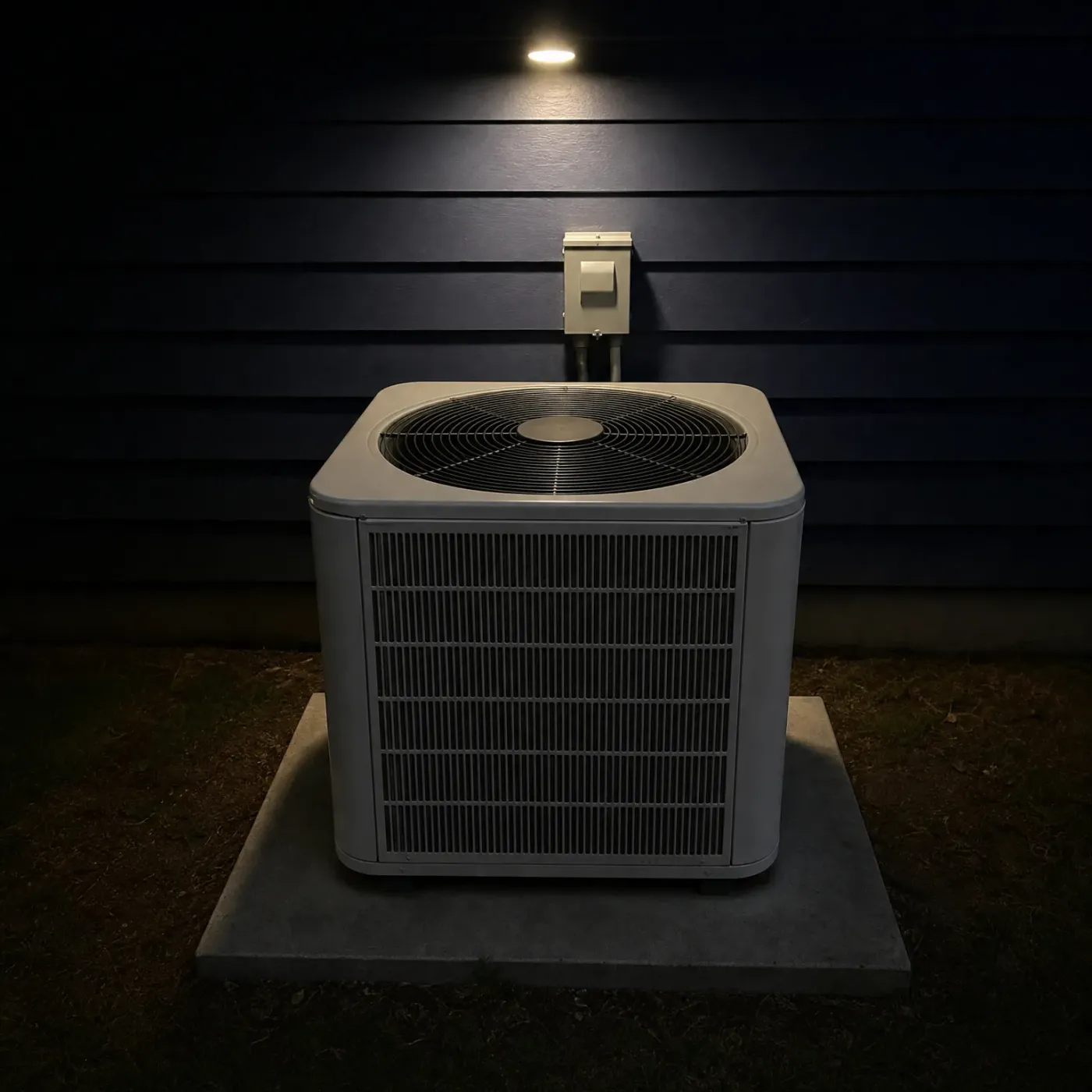
A standard heat pump has two marks against it, and 28°F is past both. Below 40°F it starts putting out less heat than its rating says. Below about 35°F it often leans on backup heat to make up the difference. The average winter night here sits below both lines, and every one of the 85 nights at or below freezing does too. That does not mean the heat pump fails. It means on most winter nights here, a standard one is working below its rated output and may be calling on backup heat to cover the rest.
If that backup heat is electric resistance, the kind built into most heat pump systems, it is far more expensive to run than the heat pump itself. How often it kicks in depends on the specific system, not just the weather. A two winter field test of cold climate heat pumps in occupied homes found backup heat covered only a small share of the total heat between 0°F and 35°F, and running on backup alone was rare even above 0°F. That test used cold climate equipment, built to do better at low temperatures than the federal minimum. A heat pump rated ENERGY STAR Cold Climate has to prove, under third party testing, that it still makes at least 1.75 units of heat per unit of electricity at 5°F and holds onto 70 percent of its 47°F capacity at that temperature. A standard model carries no such guarantee.