






White two-story houses with wraparound porches and Spanish moss-draped oak trees photographed along a residential street at night.

Furnace Installation in Idabel, OK

Tell us about the job

Takes about a minute. No obligation.

New system or replacementFurnace or heatingMcCurtain County, OK
Step 1 of 2

What ZIP code is the job in?

McCurtain County saw 207 severe weather events between 2015 and 2024. Damaging wind caused 112 of those, hail another 74, and 15 tornadoes touched down in that same stretch. Statewide, a quarter of Oklahoma households went at least a full day without power in 2024. A furnace does no good sitting dark during an ice storm or after a wind event knocks the lines down. When you're choosing a system and where it goes, outages belong in that decision from the start.

6 months
November through April, your furnace is on duty
33°F
the average winter night it heats against
80% AFUE
the federal minimum any new unit must meet
Isometric grayscale illustration of a cutaway single-story house showing interior rooms with furniture, a furnace unit connected to ductwork and a tall vertical flue pipe extending above the roof.
Your furnace works hardest from November through March.

NOAA nClimDiv, 1991–2020 normals

Furnaces here start working in November.

Get yours installed in October, before cold nights and outage season both arrive.

Cheap power here means payback matters less than whether it runs when the lines go down

Climate zone 3A
Heat runs November through April
Winter nights average 33°F
Most Furnaces Here Run on Electricity68.9% of homes in McCurtain County heat with electricity, more than any other fuel

Your furnace here only has to work November through April. That's six months on, six months off, every year. A system that idles half the year wears a lot less than one running nearly year round, and that shows up over time in the burners and the heat exchanger. When a furnace like that fails, it's usually age or a part giving out, not strain from overwork. That makes a straightforward, reliable system a sound choice here. You don't need to pay for the highest efficiency model to get one that holds up.

Plan For The Power To Go Out, Not Just The Cold

A furnace installed now should include a plan for the day the power goes out. Ask about a battery backup or a generator hookup before the crew leaves, and make sure anything mounted outside is set where falling limbs and hail won't reach it. That part of the job is easier to get right before installation than to fix after.

Find a contractor
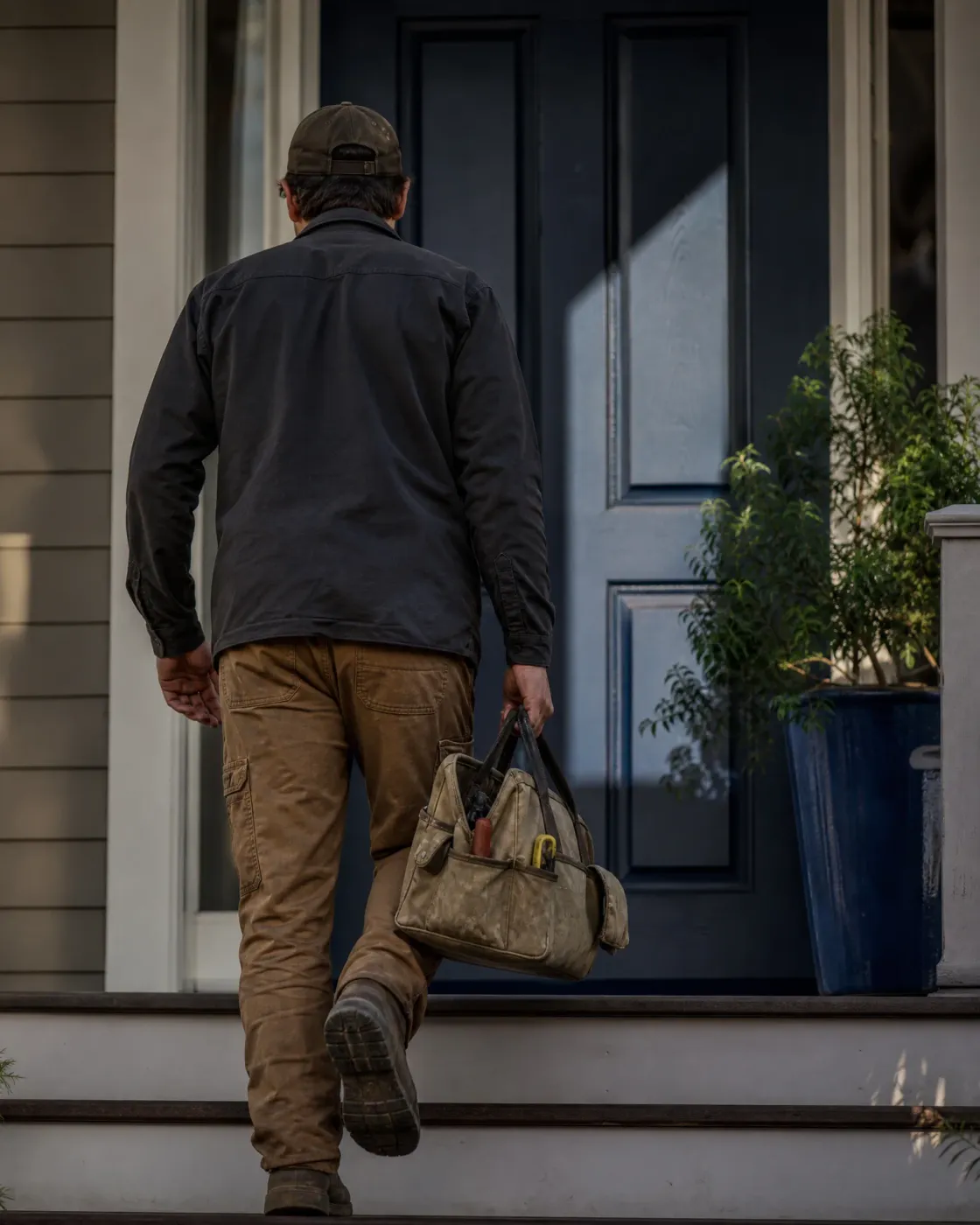
A man in a cap, dark jacket and tan work pants walks up porch steps toward a dark blue paneled door, carrying a canvas tool bag with tools in its outer pockets, beside a potted shrub.
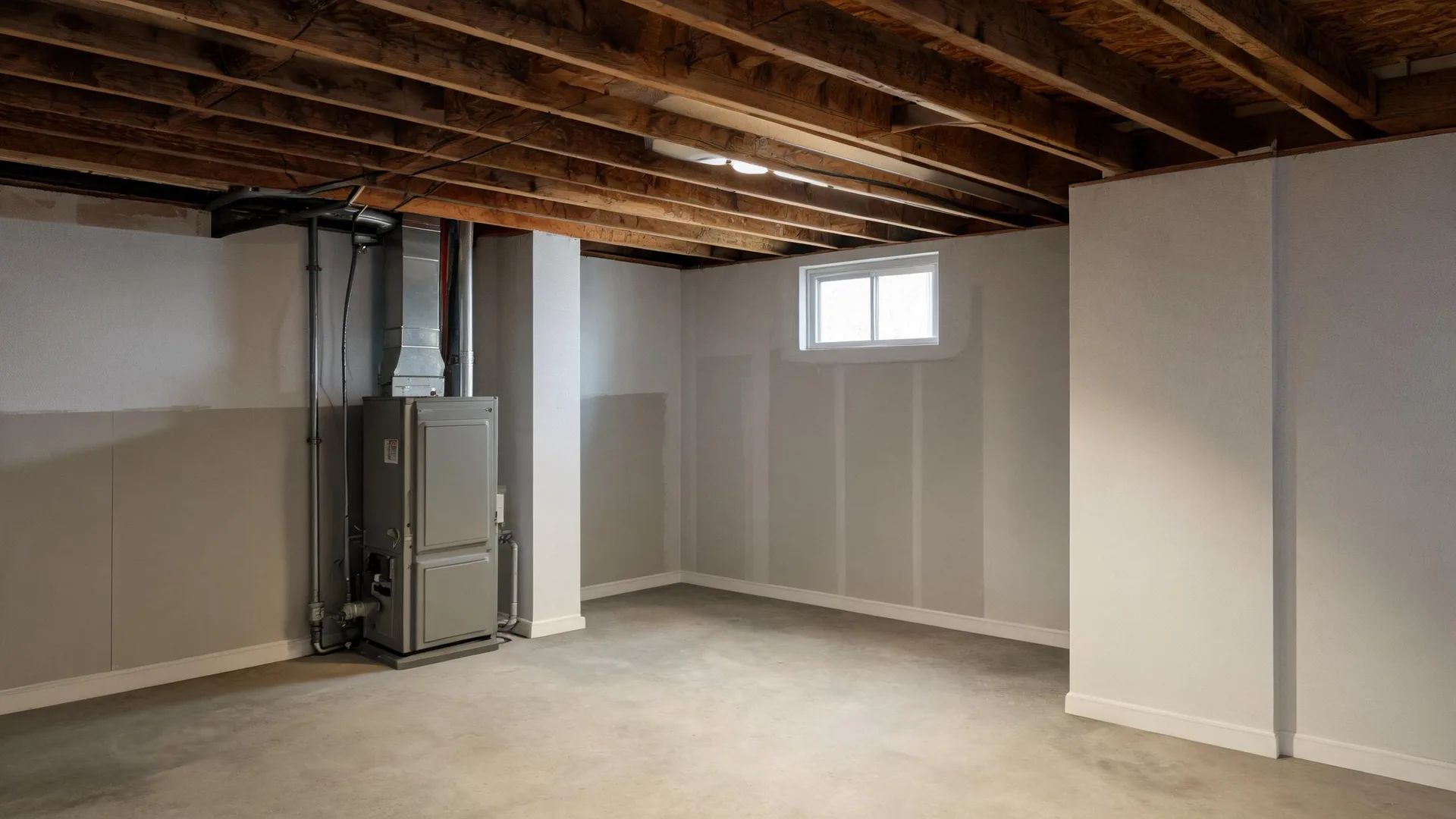
A gray high-efficiency gas furnace installed in an unfinished basement, surrounded by gas lines, a condensate drain, and sheet-metal ductwork.

Half the Year Running, Half the Year Off

Watch this machine across a full year and it sits idle more than it runs. That matches what the duty cycle already tells you: six months of work, six months of rest. When it does fail, look at a part worn out or a unit old enough to be done, not a motor that got pushed too hard. Pick a straightforward system and expect it to hold up over a long run of winters.

Ask What Happens When Power Comes Back On

A furnace with electronic ignition needs power to run its control board, draft inducer and blower, so when the lines go down, it stops. What matters is what it does when power returns. Most systems restart on their own once power is back, no relighting or resetting needed. Ask the installer to confirm the model does this, and ask what happens to the thermostat settings during an outage too.
Ask Where the Outdoor Parts Will Sit

A furnace itself sits inside, but a lot of systems have components tied to it outside or in exposed spots, including vent pipes, intake pipes and any generator or battery hookup. Wind-driven debris and falling limbs can damage anything mounted where they can reach it. Walk the installer through exactly where each piece will go and ask them to point out what's protected and what isn't before the work starts.

The price of a furnace install comes down to more than the unit itself. Sizing takes real work: a contractor has to calculate the heat loss for the house, not just match whatever was there before, and that calculation drives which size and stage of furnace makes sense. The ductwork matters just as much as the furnace. If the existing ducts are too small, leaky, or routed poorly, extending or sealing them adds labor, and a furnace forced to push air through bad ductwork won't heat evenly no matter how good it is. Venting is its own cost too, since the type of furnace determines whether it vents through the existing flue or needs new venting run through a wall or roof. Electrical and gas line work adds to the job when the new unit's requirements don't match what's already in place. None of this shows up in the sticker price of the furnace itself, but all of it shows up in the bill.

McCurtain County falls under zone 3A in the 2021 energy code, and that sets a floor on what a contractor can install here. Any gas furnace built from November 19, 2015 on has to turn at least 80 percent of the gas it burns into heat over the winter. That's the minimum nationwide, not something specific to this area, but it's still the line a new system has to clear. Furnaces built from December 18, 2028 on will have to hit 95 percent, so if you're installing soon, you're still working under the current rule. A federal tax credit is available for qualifying high-efficiency equipment, worth asking a contractor about when you're comparing models.