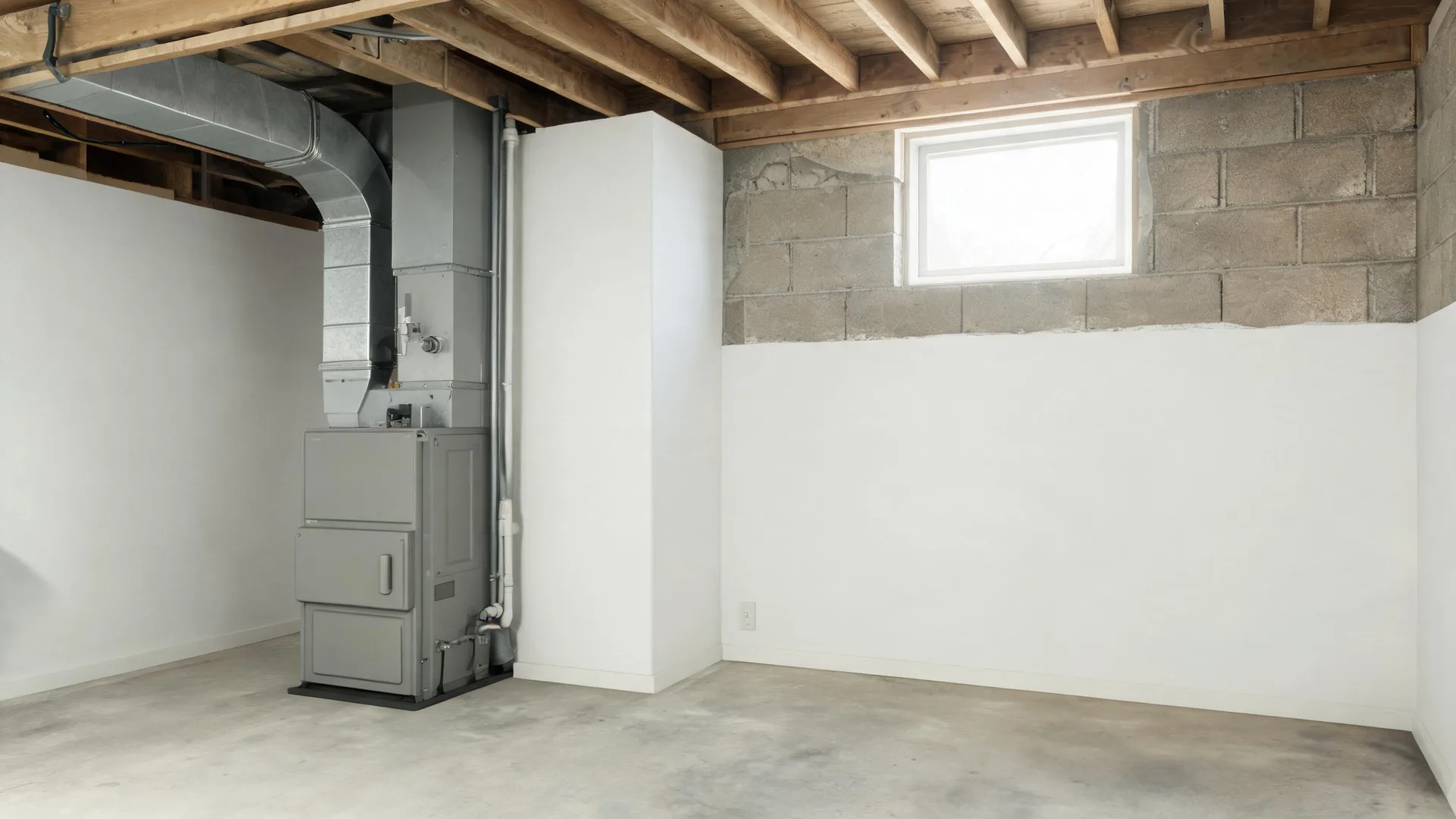
A gas furnace and sheet-metal air handler unit installed in an unfinished concrete basement.

Furnace Installation in Lawton, OK

Tell us about the job

Takes about a minute. No obligation.

New system or replacementFurnace or heatingComanche County, OK
Step 1 of 2

What ZIP code is the job in?

Hail and wind are a regular event here

Comanche County logged 185 hail events and 148 damaging wind events over the past ten years. A furnace installation often includes venting or a condenser line running outside, so it's worth asking the contractor where that equipment sits and what shields it.

Power doesn't always come right back

A quarter of Oklahoma households went at least a day without power in 2024. A gas furnace still needs electricity to run the blower and controls, so it won't start on its own during an outage. Ask what backup options exist for a stretch without power.

6 months
November through April, your furnace is on duty
31°F
the average winter night it heats against
80% AFUE
the federal minimum any new unit must meet
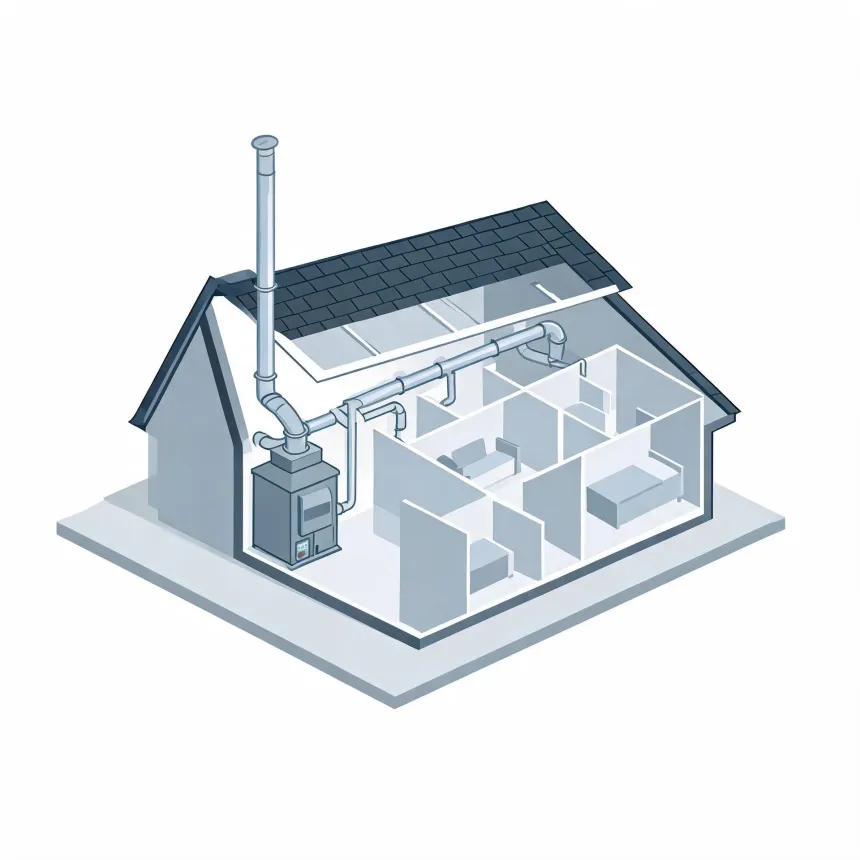
Isometric cutaway illustration of a house showing interior rooms with furniture, a furnace unit with a tall flue pipe outside, and ductwork running through the attic.
Your furnace works hardest from November through March.

NOAA nClimDiv, 1991–2020 normals

Electricity in Oklahoma runs $35.86 per million Btu, cheaper than most of the country.

A high-efficiency furnace takes longer to pay for itself here, so pick this one for how it holds up, not for the fuel it saves.

Most of Comanche County heats with electricity, so that's what a new furnace should match

54.5% of homes heat with electricity
Heat runs November through April
Winter nights average 31°F
A furnace built for mild wintersHeat runs about six months a year here, November through April.

Furnace installation goes faster in good weather, before the first cold snap and before a storm takes out your old unit without warning. Homes here start running heat in November, which makes October the month to get this done. Wait until the system fails on its own and you're choosing a furnace in a hurry, maybe without heat for a few days while you wait on a contractor. Scheduling it in October means the crew can take their time with the venting and the install, and you're not making decisions under pressure. It also means the new furnace is tested and running before it has to work for six straight months.

This furnace won't be worked hard, so build for reliability, not the highest efficiency rating

Six months of heat a year, with overnight lows averaging 31°F in the coldest stretch, is a moderate load. A furnace here isn't pushed the way one is in a colder state, so age and neglect wear it out more than the workload does. That's a good argument for a reliable, well-installed standard furnace over the top-tier efficiency model.

Find a contractor
A gray gas furnace with attached ductwork and piping installed in an unfinished concrete basement.

The furnace that gets serviced outlasts the one with the better rating

A furnace lasts on maintenance more than on any number printed on the unit. Furnaces built the same way can end up with very different service lives depending on whether the filter got changed and the burners got cleaned on schedule. When you're comparing models, ask what each one needs from you to hit its full lifespan, not just what it costs to install. Ask about the heat exchanger too, since that's the part that ends a furnace's life when it cracks, and ask how each contractor checks it during a tune-up. A unit that's easy to service tends to get serviced. One that's a pain to get the panels off tends to get skipped.

The old furnace still has value as a unit

A working furnace, even an old one, can sometimes be removed intact rather than cut apart on site. Whether that's worth doing depends on its condition and age, and the installer can tell you that once they've had a look.

The gas line and vent get checked either way

Pulling a furnace means the old gas connection and vent get disconnected and inspected before anything new goes in. If either one was undersized or installed wrong the first time, this is when that gets caught, not after the new furnace is running.

Sizing a furnace comes down to matching its output to how fast the house loses heat, not to square footage alone. A contractor works this out room by room, adding up the walls, windows and ceilings that let heat escape, then picks a furnace that can keep up on the coldest night without running flat out the whole time. Too big and it heats the air fast, shuts off, and leaves the place swinging between warm and cool while moisture sits uncleared. Too small and it never catches up when the temperature drops, running nonstop and still losing ground. Either mistake also shortens the furnace's life, since it's cycling or straining in a way it wasn't built for. The unit you had before is a starting point for that calculation, not the answer to it.

Install day starts with the old furnace coming out. From there it's venting, gas line, ductwork connections, and the electrical for the blower and controls. A contractor worth hiring checks the ducts while they're in there, not just swaps the box and leaves. A duct that's crimped, disconnected, or too narrow for the new unit undoes a lot of what the new furnace is supposed to do. Expect some drywall or framing work around the vent if the new furnace's venting needs differ from the old one, even a little. Once it's connected, a tech runs the furnace through a full cycle, checking gas pressure, airflow, and the temperature rise across the heat exchanger, not just confirming it kicks on. That startup check catches a problem while it's still easy to fix, instead of leaving it for the first cold night to find.