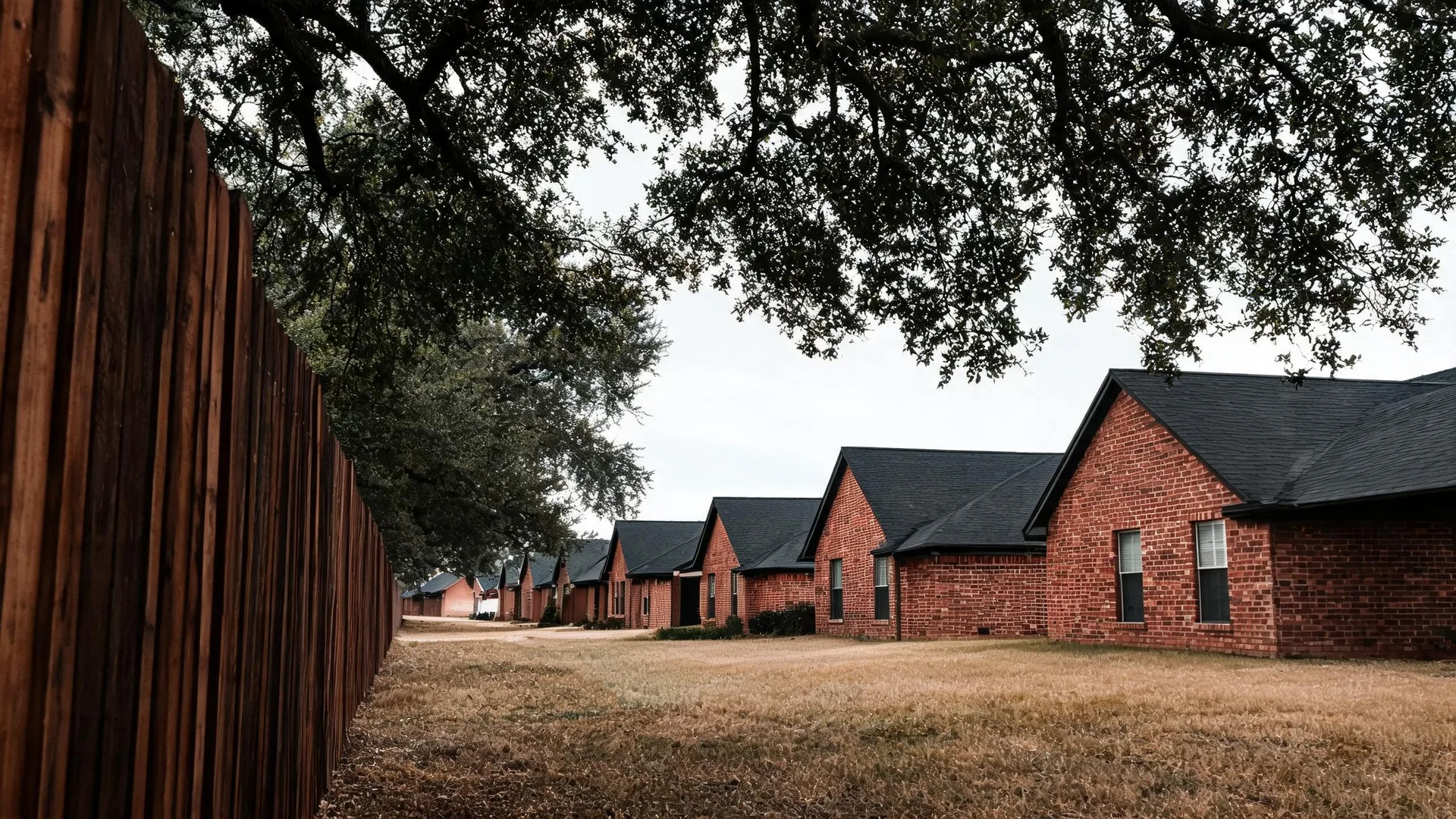




A row of single-story brick houses with dark gabled roofs beside a wooden fence and a large overhanging oak tree, with dry brown grass in the foreground under an overcast sky.

Furnace Installation in Newcastle, OK

Tell us about the job

Takes about a minute. No obligation.

New system or replacementFurnace or heatingMcClain County, OK
Step 1 of 2

What ZIP code is the job in?

McClain County has seen 90 hail events and 51 damaging wind events over the past decade. A furnace sits indoors, out of that weather, but a new system often means coordinating with an outdoor AC or heat pump unit at the same time. Worth asking your contractor where that unit goes and what shields it from hail and debris. Power matters more for the furnace itself. A gas furnace still needs electricity for its control board, igniter and blower, so no power means no heat even with gas flowing. A quarter of Oklahoma households lost power for a day or more in 2024. If backup power matters to you, raise it during the install, not after.

6 months
November through April, your furnace is on duty
30°F
the average winter night it heats against
80% AFUE
the federal minimum any new unit must meet
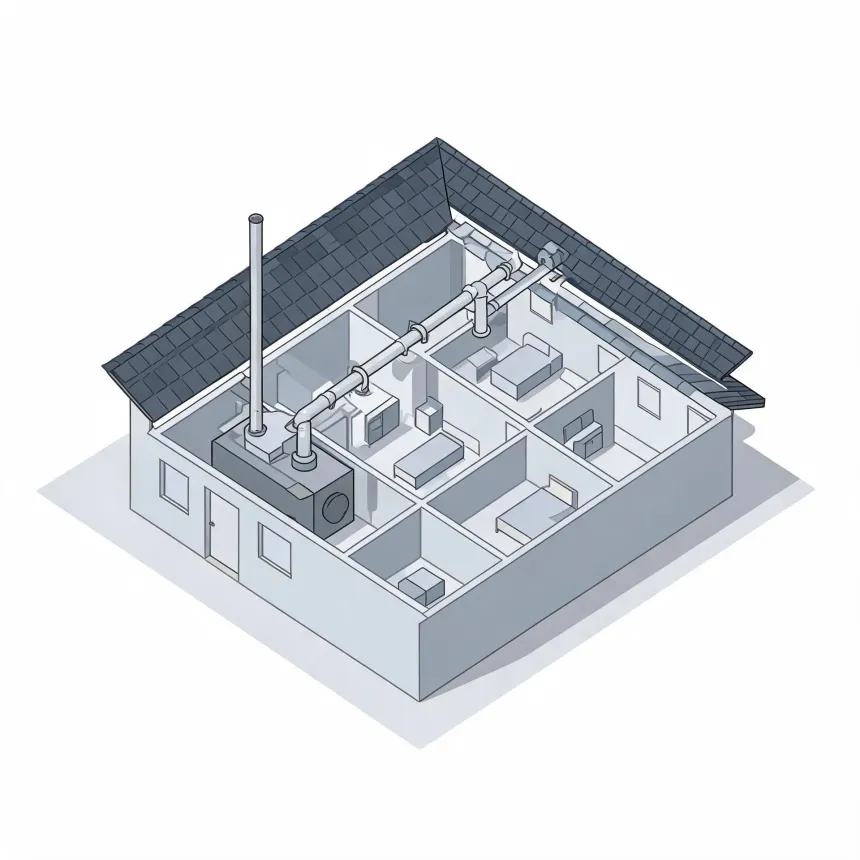
Isometric cutaway illustration of a single-story house showing interior rooms, furniture, a dark furnace unit with a tall vertical flue pipe, and ductwork running under the pitched shingle roof.
Your furnace works hardest from November through March.

NOAA nClimDiv, 1991–2020 normals

A furnace sized by square footage alone is a guess.

The right size comes from a load calculation, room by room, not a formula on the back of a napkin.

October is when to replace it, before November turns the heat on

Heat runs November through April
Winter nights average 30°F
10 winter storms from 2015 to 2024

Electricity in Oklahoma runs $35.86 per million Btu, cheaper than most of the country. That changes the math on a high-efficiency furnace. A unit with a better AFUE rating costs more up front, and here it takes longer to earn that back in lower bills. That does not make efficiency worthless, but it means reliability and the right size for your house should carry more weight in the decision than the efficiency rating alone. A furnace that is built to last through the power cuts this area sees is worth more than one that is a few points more efficient on paper.

Match the fuel you already have

Electricity heats more homes in McClain County than gas does, with propane a distant third. If your current furnace runs on electricity, a straight swap is the simplest job a contractor can quote. If it runs on gas, matching what you have still means less rework than switching fuel types during the install.

Find a contractor
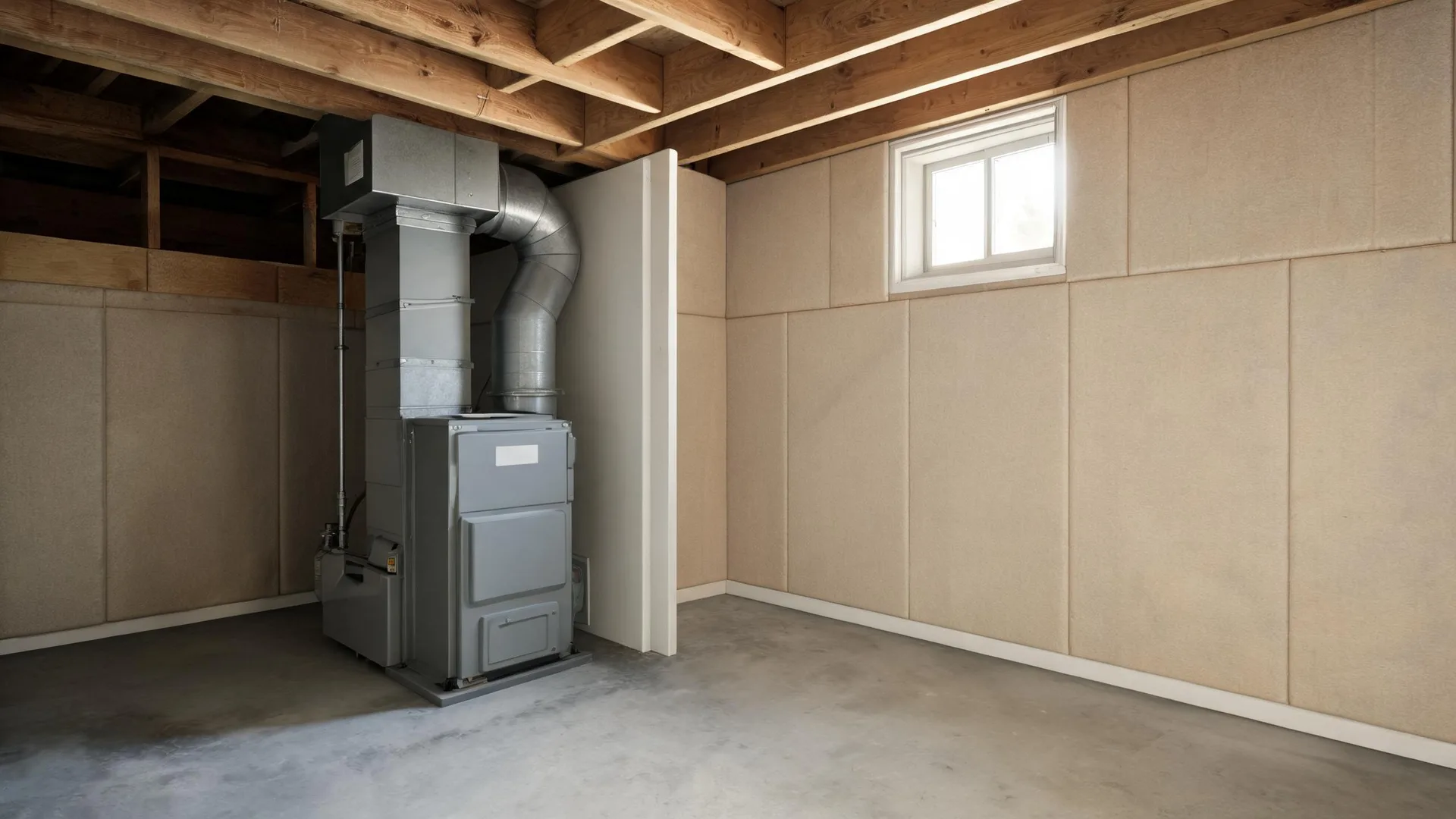
A gray high-efficiency gas furnace installed in an unfinished basement, surrounded by gas lines, a condensate drain, and sheet-metal ductwork.

Six months of work a year, and a handful of nights that test it

Heat runs here about six months a year, November through April. The rest of the year this furnace sits idle. Nights average 30°F through December, January and February, cold enough to keep it working steady but nowhere near the stretch some places see. That's a lighter job than most furnaces are built for. What shortens a furnace's life here is less likely to be the workload and more likely to be age, a skipped filter change, or a storm that cuts the power along with the cold. A furnace that's easy on itself most of the year still needs to start reliably on the night it matters most.

The old furnace gets disconnected, not left behind

Pulling a furnace means shutting off its gas line or power feed, disconnecting the duct connections and the flue or vent pipe, and clearing it out of the space it sat in. None of that is optional work tacked on at the end. It has to happen before the new unit goes in, because the new furnace usually needs that same spot, same duct connections, same vent path.
What a contractor does with it after is worth asking

Furnaces are mostly steel and other metal that scrap yards take, so a lot of contractors haul the old one off to be recycled rather than dumped. That's not guaranteed though. Ask what happens to the unit you're replacing before the install starts, not after it's already gone.

What drives the cost of a furnace install is mostly the parts you can't see in the showroom unit. Ductwork is the big one. If the existing ducts are the right size and in good shape, a contractor connects to them and moves on. If they're undersized, leaky, or routed wrong for the new furnace, that gets fixed too, and that work can cost more than the furnace itself. The vent or flue pipe matters as well. A higher-efficiency furnace often vents differently than the one it replaces, sometimes through a wall instead of up through the roof, and that changes what the installer has to run. Where the furnace sits counts too. A straightforward swap in the same spot, same connections, goes faster than a unit that's moving to a new location or a tight mechanical closet. The furnace itself, its size and efficiency rating, is one line in that job, not the whole estimate.

Installation day starts with the old furnace already gone, so the first real step is setting the new one in place and squaring up the duct connections. From there it's the gas line or electrical feed, the vent or flue pipe, and a condensate line if the furnace makes one. Each connection gets tested before it's closed up, not after. The contractor fires the furnace, checks the flame or heat strips, and watches the blower run through a full cycle. Gas models get checked for leaks at every joint and a reading on the flue to confirm it's venting correctly. Last comes the thermostat, set and tested so it's actually calling for heat the way it should. None of this is quick work done well, and a furnace that gets fired up and left without those checks is the one that fails on the first cold night.