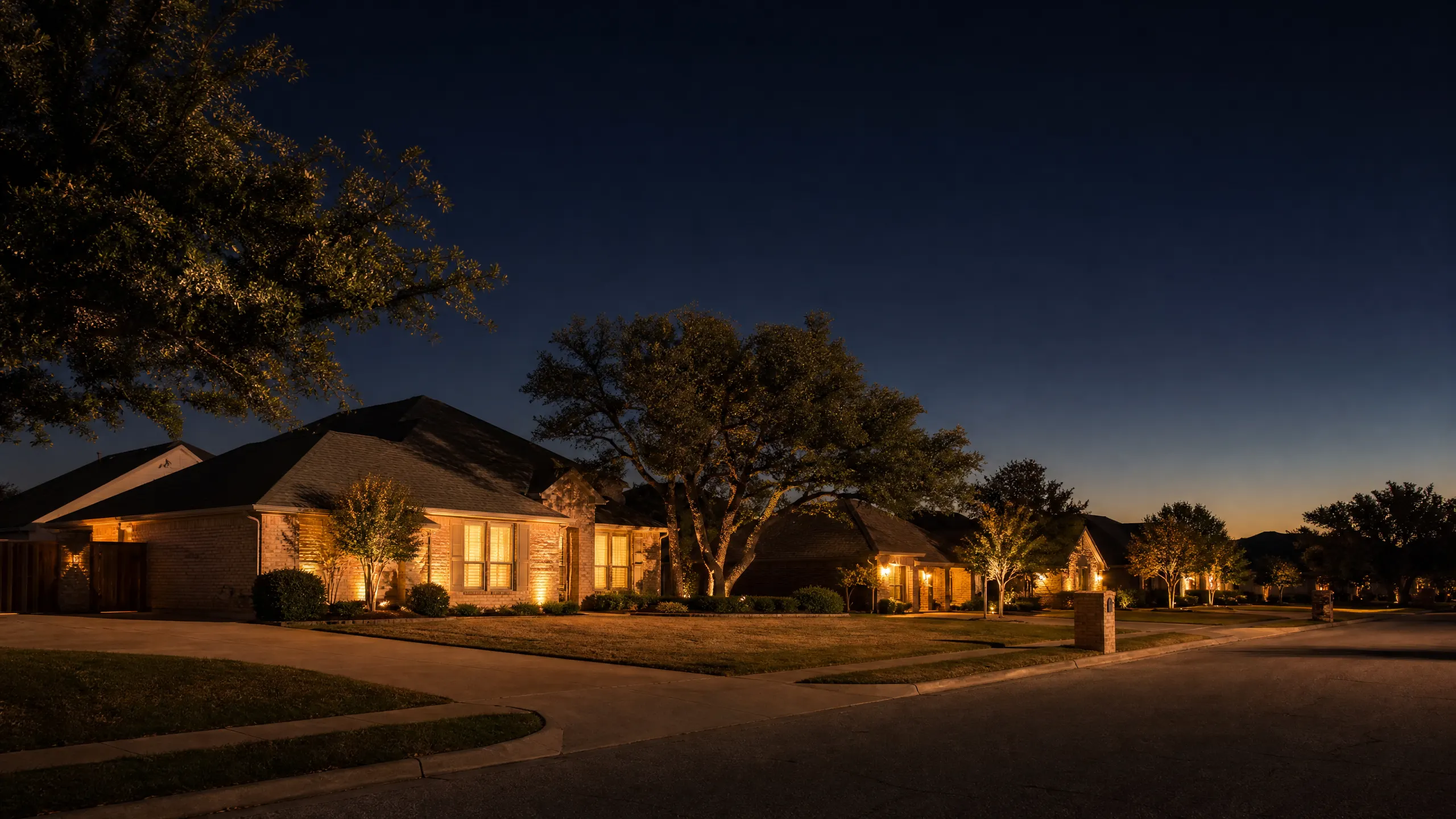




A twilight view of single-story brick homes on a suburban street, lit by warm amber landscape spotlights that illuminate the facades and surrounding trees.

Furnace Installation in Ponca City, OK

Tell us about the job

Takes about a minute. No obligation.

New system or replacementFurnace or heatingKay County, OK
Step 1 of 2

What ZIP code is the job in?

Kay County saw 200 severe weather events between 2015 and 2024. Damaging wind caused 98 of those, hail another 88, and six tornadoes touched down in that span. Winter storms hit eight times in the same years, which is exactly when a furnace has to work. Statewide, a quarter of households went at least a full day without power in 2024. A furnace needs power for its blower and controls, so a storm doesn't have to touch the house for the heat to go out.

7 months
October through April, your furnace is on duty
26°F
the average winter night it heats against
71%
of homes here heat with gas, so most furnaces here burn gas
80% AFUE
the federal minimum any new unit must meet
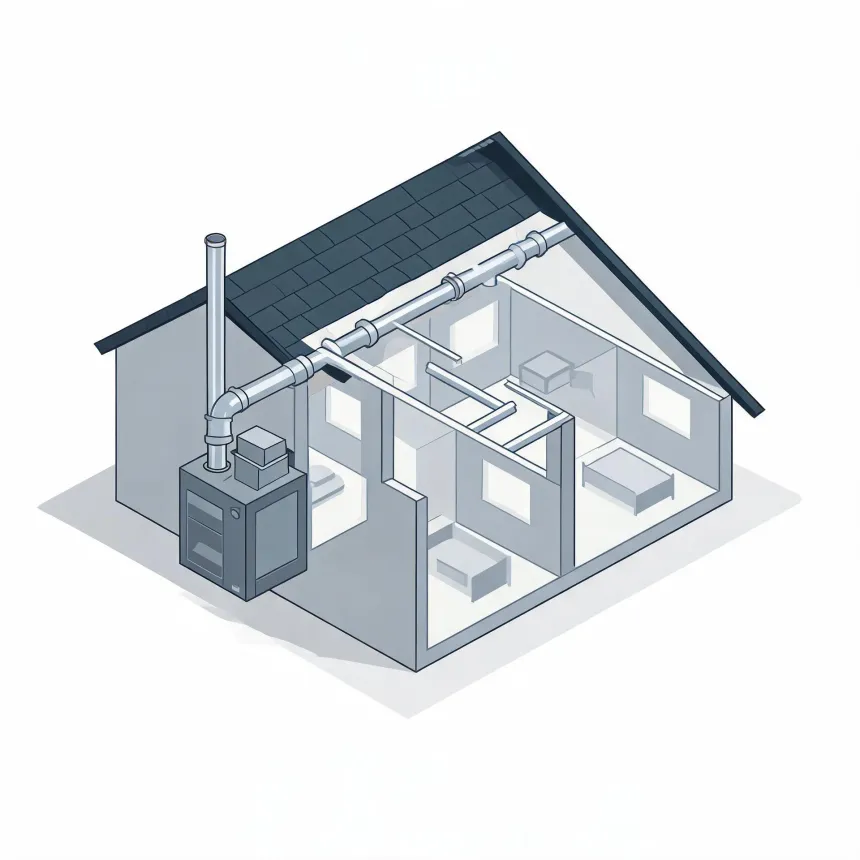
Isometric cutaway illustration of a small house showing interior rooms, ductwork running through the attic, and a furnace unit with a vertical flue pipe on the exterior wall.
Your furnace works hardest from November through March.

NOAA nClimDiv, 1991–2020 normals

Seven in ten homes in Kay County heat with gas furnaces.

Matching that setup keeps the gas line, vent and ductwork already in place doing the job they were built for.

Seven months of heat means seven months this furnace can't fail

Heat runs October through April
Winter nights average 26°F
Climate zone 4A
An older home needs a furnace built to fit itHalf the homes in Kay County were built in 1964 or earlier.

Natural gas ran $13.54 per million Btu in Oklahoma in 2024, among the cheaper fuels in the country. That changes what's worth paying for in a new furnace. A high-efficiency model costs more up front and takes longer to earn that back when gas is already cheap. Given what this county sees in an outage, the better money question is whether the furnace fits the gas line and ductwork already in the house, and whether it starts back up on its own once the power does. Paying extra for a fuel-efficiency rating you'll barely notice on the bill makes less sense here than it would somewhere gas costs more.

Plan for the outage before you plan for the cold

Ask where the new furnace goes and how it starts back up once the power does. Most furnaces come back on by themselves after an outage, but it's worth confirming with whoever installs it. If the outdoor equipment sits where wind or hail can reach it, ask about that placement too. None of this changes what the furnace costs to run. It changes whether you have heat the day a storm comes through.

Find a contractor
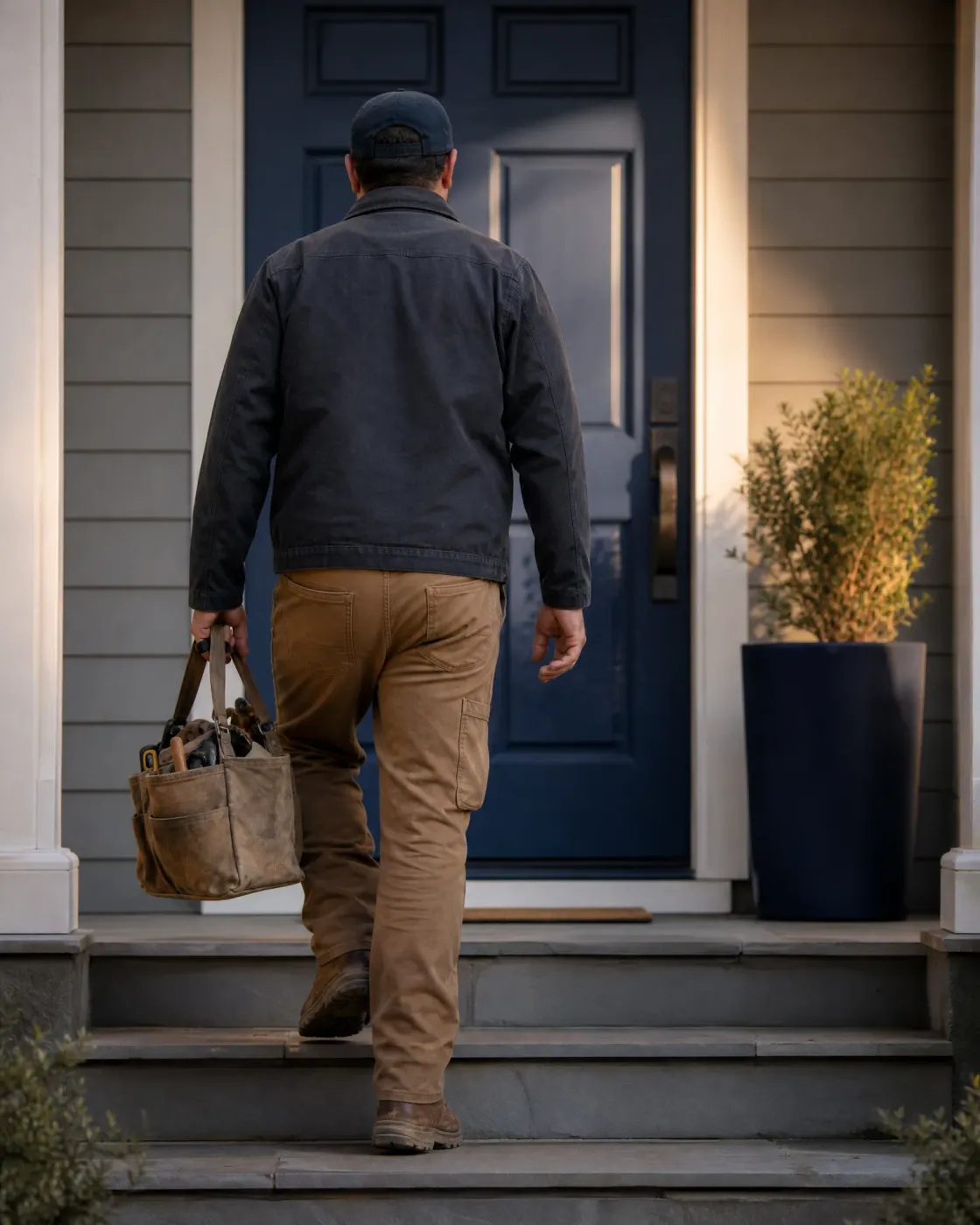
A man in a dark jacket, cap and tan work pants carries a canvas tool bag up stone steps toward a navy front door, with a potted shrub beside the entry.
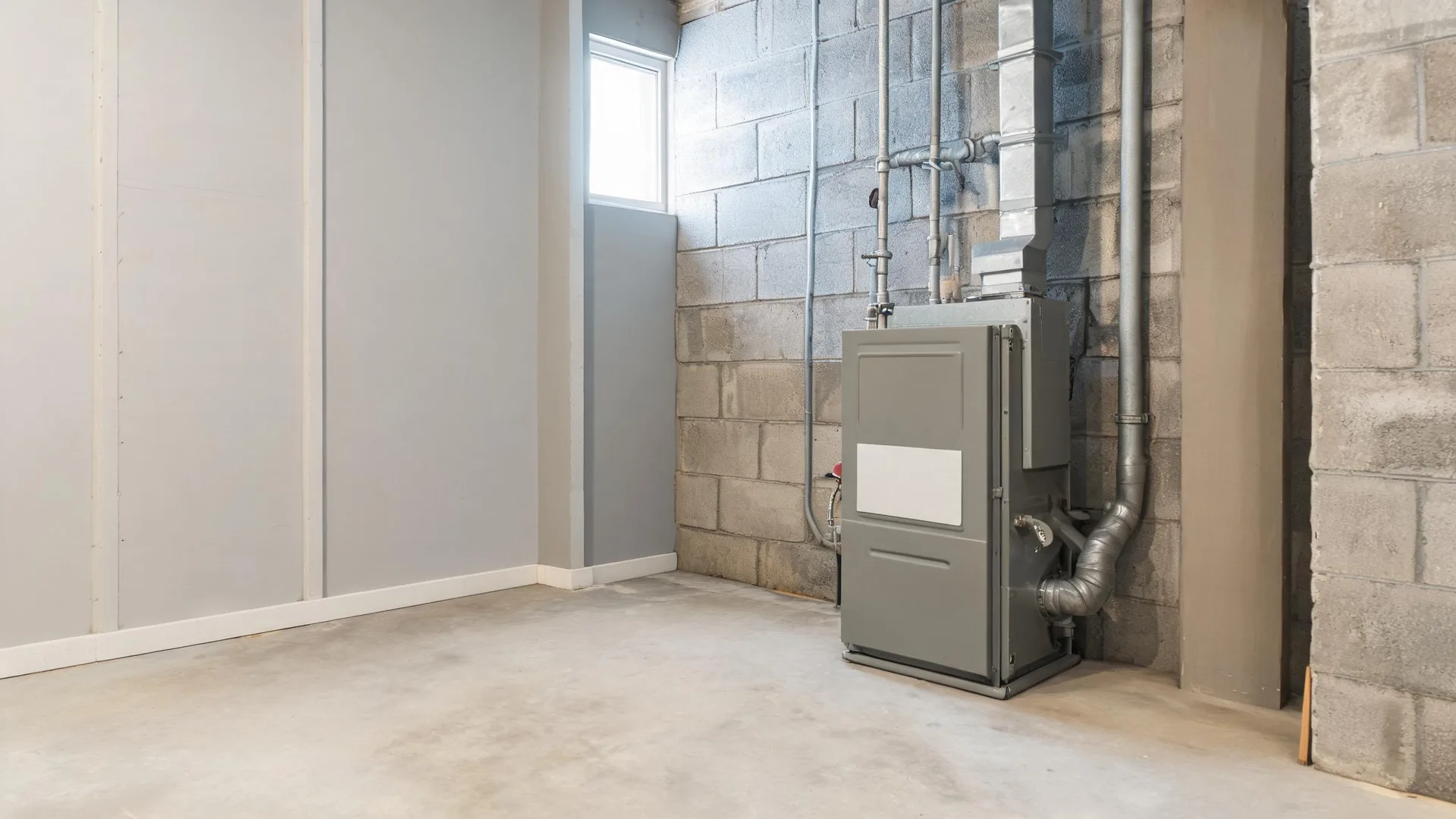
A gas furnace with attached ductwork, gas piping, and condensate lines installed in a concrete-block basement.

Right size, not just a replacement

Half the homes in this county were built in 1964 or earlier, so whoever installs the furnace needs to measure before they quote anything. The duct run, the vent size, the gas line diameter, all of that was sized for whatever furnace came with the house, not necessarily for the one in a catalog today. A furnace that's too big for the ductwork will short cycle. One that's undersized for the house won't keep up on the coldest nights. Ask the installer to size the unit to the house you have, not just swap in whatever matches the old model number.

The cabinet and the heat exchanger set the price

A furnace with a larger heat exchanger and a sturdier cabinet costs more before anyone talks about efficiency ratings or add-ons. Stamped steel is cheaper to build than the heavier gauge used in units meant to last. That difference shows up in the quote whether or not the house needs the bigger model.

What's behind the wall changes the labor

Swapping a furnace for one the same size, in the same spot, venting the same way, is a different job than one that needs new ductwork, a bigger gas line or a relocated vent. The unit itself might cost about the same either way. The labor to tie it into what's already there is where quotes start to differ, and that only shows up once someone measures the house.

An unfinished basement containing a forced-air furnace with metal ductwork, exposed wooden ceiling joists, a hanging Edison bulb, and bare concrete floors.

A high-efficiency gas furnace would save about $100 a year to run in Kay County compared with a gas furnace.

  • A high-efficiency gas furnace$540 a year
  • A gas furnace$640 a year

Estimates for a typical Kay County home, from EIA household energy data, Oklahoma fuel prices and NOAA climate normals. Your home will differ.

Installation starts with the old furnace coming out, not the new one going in. The installer disconnects the gas line, the vent, the ductwork and the wiring, then pulls the unit out of the closet or basement or attic it's sat in. Once it's out, they can see the gas line size, the duct opening and the vent route for what they actually are, not what the quote assumed. Setting the new furnace means leveling it, sealing the duct connections so air doesn't leak out at the joints, and running new vent pipe if the old one doesn't match what the new furnace needs. The gas line gets pressure tested before anything is lit. Once it's running, a tech checks the flame, checks the temperature rise through the furnace, and checks that the blower is moving the right amount of air for the ductwork it's tied into. None of that is optional. A furnace that's never had its airflow checked can run hot, short cycle or wear out its heat exchanger well before it should.