




A lit antebellum-style two-story house with white columns and a wraparound porch at night, framed by live oak trees draped in Spanish moss.

Furnace Installation in Poteau, OK

Tell us about the job

Takes about a minute. No obligation.

New system or replacementFurnace or heatingLe Flore County, OK
Step 1 of 2

What ZIP code is the job in?

Le Flore County saw 220 severe weather events between 2015 and 2024, counting wind, hail, tornadoes and winter storms. Any of that can take down power lines. A quarter of Oklahoma households went at least a day without power last year. A furnace with a standing pilot keeps making heat through an outage, while one with an electric igniter won't start until power is back. Worth asking your contractor which setup fits the house before installation, not after the first outage of the winter.

7 months
October through April, your furnace is on duty
31°F
the average winter night it heats against
80% AFUE
the federal minimum any new unit must meet
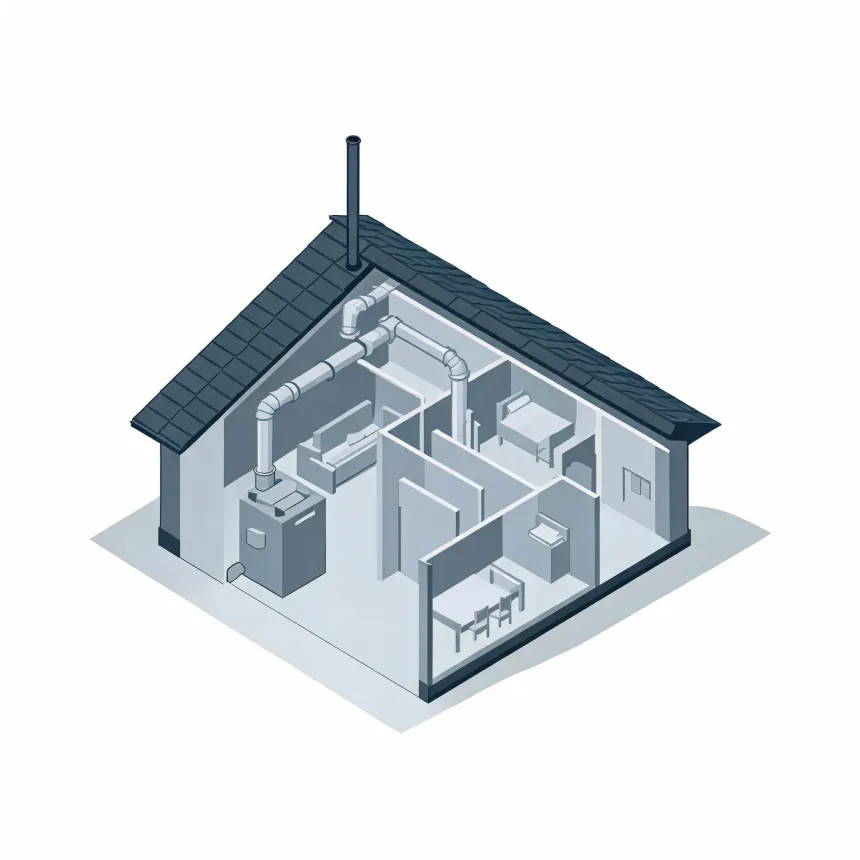
Isometric cutaway illustration of a small single-story house showing interior rooms with furniture, a furnace unit with attached ductwork running to a roof flue, and a dark shingled roof.
Your furnace works hardest from November through March.

NOAA nClimDiv, 1991–2020 normals

Over half of Le Flore County heats with electricity, not gas.

Most furnace replacements here are electric furnaces or heat pumps, so sizing the new system right matters as much as the fuel type.

Seven months of heat start in October. Get the furnace in before then.

Heat runs October through April
Winter nights average 31°F
12 winter storms from 2015 to 2024

Electricity here runs $35.86 per million Btu, cheaper than in most states. That changes how you should weigh efficiency ratings. A high-efficiency furnace costs more upfront. With power this cheap, it takes longer to earn that money back in lower bills. That doesn't mean skip efficiency. It means weigh it against what matters more for a house in Poteau, which is a furnace that keeps running when the grid doesn't. Ask your contractor to size the system for the house first, then talk efficiency tier.

Replace it before the season

Replace it before the season starts, so it happens on your schedule, not in a hurry.

Find a contractor
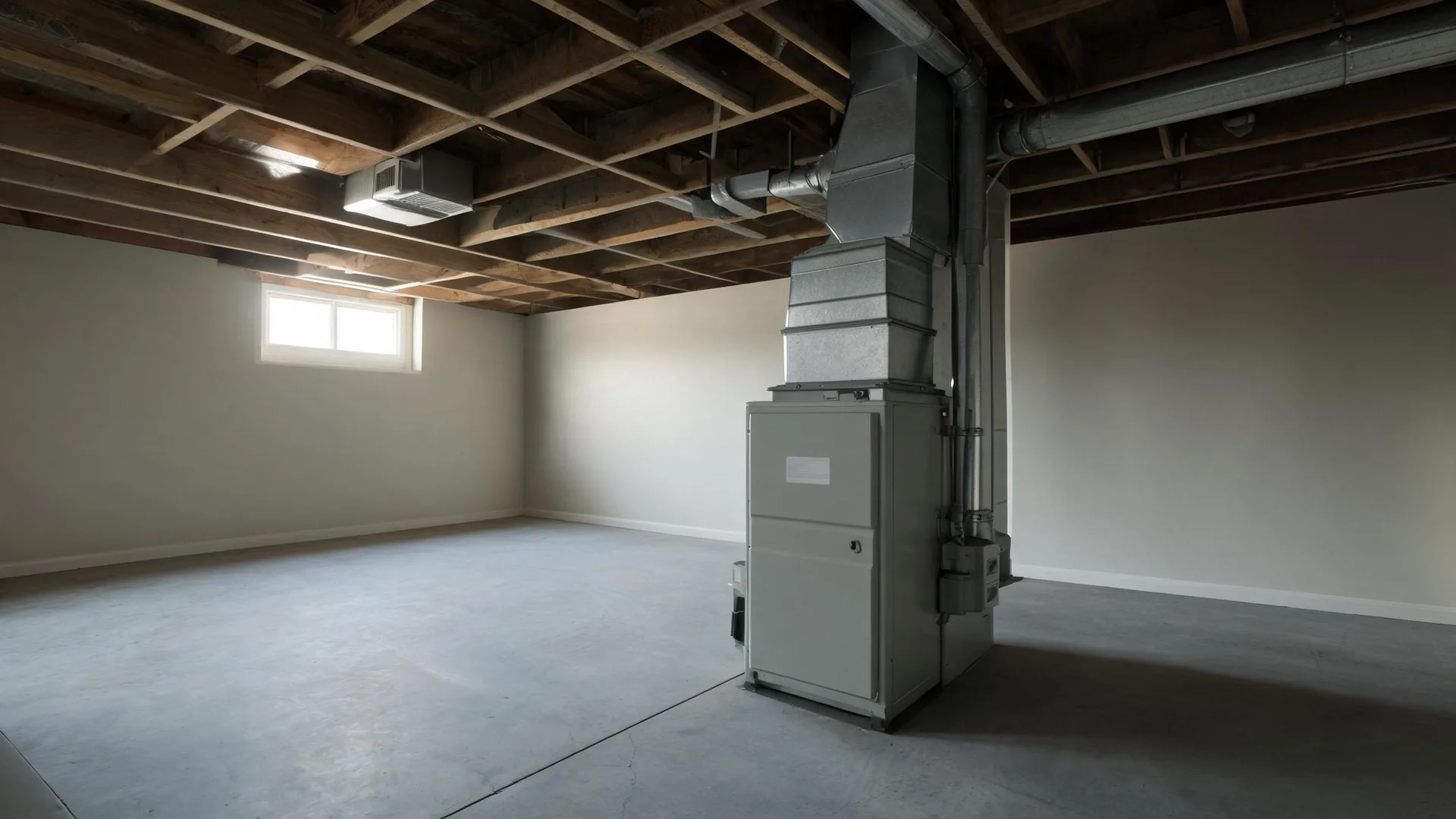
A gray residential gas furnace installed in an unfinished basement, surrounded by ductwork, a metal flue pipe, and a gas supply line.

Seven months of work, not a hard seven months

Furnace here runs seven months, October through April, and the overnight average through December, January and February is 31°F. That's steady work, not brutal work. A furnace in a colder state cycles harder and longer to hold the same temperature. Yours won't be pushed that way. The wear that does show up tends to come from age or from a part that was never quite right, not from the system being run into the ground. That's worth knowing when a repair comes up instead of a replacement. It also means you don't need to chase the highest efficiency tier to get a furnace that holds up here. What matters more is a system that starts reliably after the power comes back, not one stretched to its limit every night of the winter.

The old furnace gets disconnected before it's removed

A contractor shuts off gas or power to the old furnace and disconnects the venting before it ever comes out of the house. If it's a gas furnace, the gas line gets capped. This matters because a furnace that's part pulled apart is not safe to leave sitting, even overnight.
Hauling it out is part of the job, not an extra

The old furnace, and anything tied to it that isn't being reused like old ductwork transitions or a mismatched flue pipe, leaves with the crew that installs the new one. You shouldn't be left finding somewhere to take a dead furnace yourself.

When you're comparing quotes, ask what's actually being sized, not just what's being quoted. A contractor should size the furnace to the house, using a load calculation, not just match the Btu rating of what's already there. Ask what happens to the ductwork too. A new furnace moving more or less air than the old one can leave rooms uneven or strain the system at the blower. Ask about the warranty on the heat exchanger separate from the warranty on parts like the igniter or blower motor, since they're often different lengths. And ask who pulls the permit and handles the inspection. A furnace installed without one can cause problems later, when you go to sell the house or file an insurance claim.

The efficiency rating on a furnace, AFUE, tells you how much of the fuel it burns turns into heat in the house versus what goes out the flue. A furnace rated higher wastes less. That's the whole idea. It doesn't tell you how big a furnace you need or how well it'll heat the house, since that comes down to sizing and ductwork, not the rating. A furnace sized wrong for the house can run poorly no matter what the rating says. The rating also doesn't capture reliability. A high-efficiency furnace has more parts that can fail, like a secondary heat exchanger and a condensate drain, while a furnace with a lower rating is often simpler and has less that can go wrong. Neither is right for every house. It's one thing worth knowing, but it's not what decides whether you'll be warm.