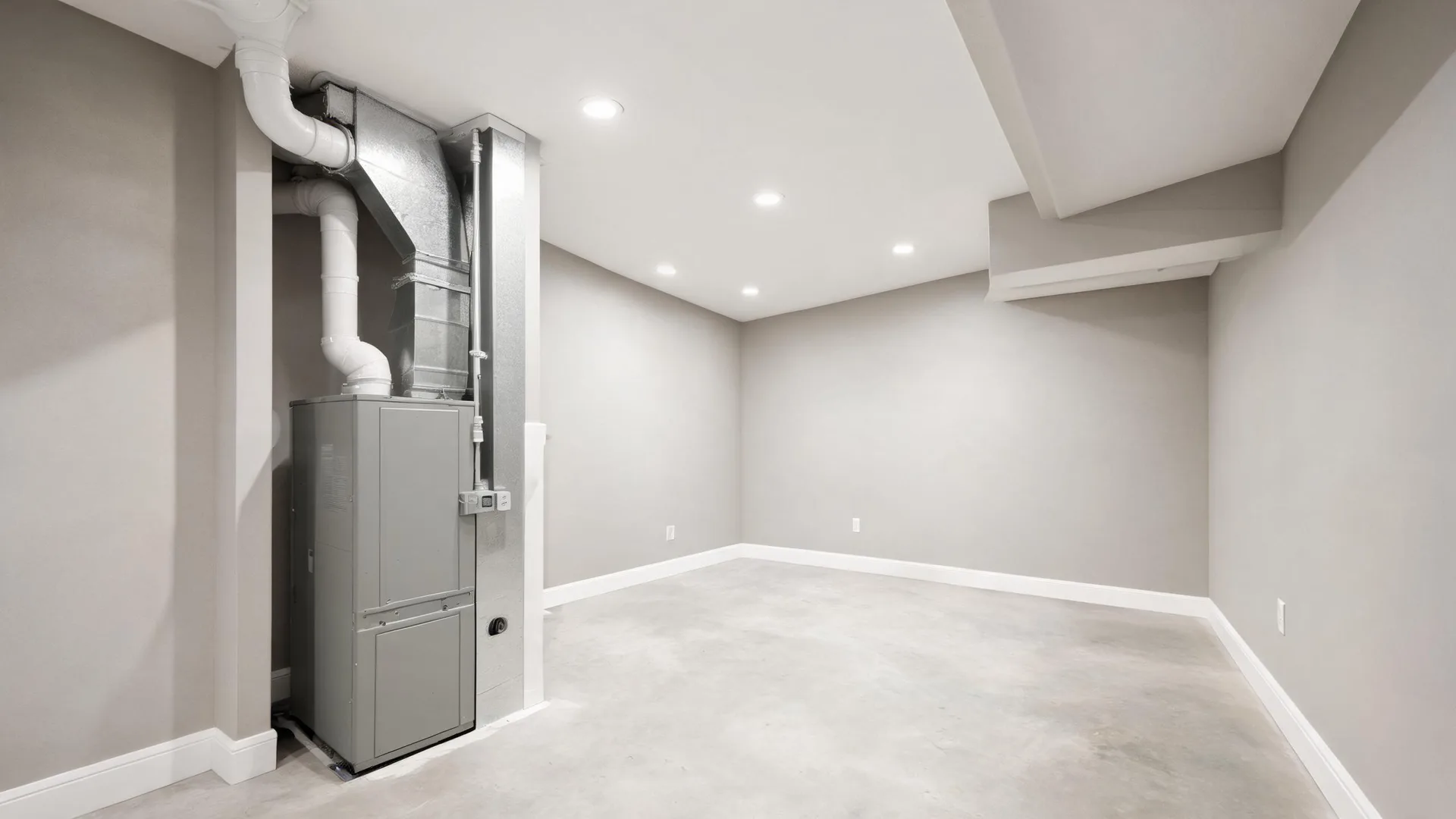
80 percent is the floor here
Sallisaw sits in zone 3A, a warm climate with a short mild winter. Any non-weatherized gas furnace installed here has to hit at least 80.0 percent AFUE, the minimum that's applied since late 2015.
Takes about a minute. No obligation.
Sallisaw sits in zone 3A, a warm climate with a short mild winter. Any non-weatherized gas furnace installed here has to hit at least 80.0 percent AFUE, the minimum that's applied since late 2015.
Furnaces built on or after December 18, 2028 will need to reach 95.0 percent AFUE. If your installation falls near that date, ask which standard the unit you're getting was built to meet.
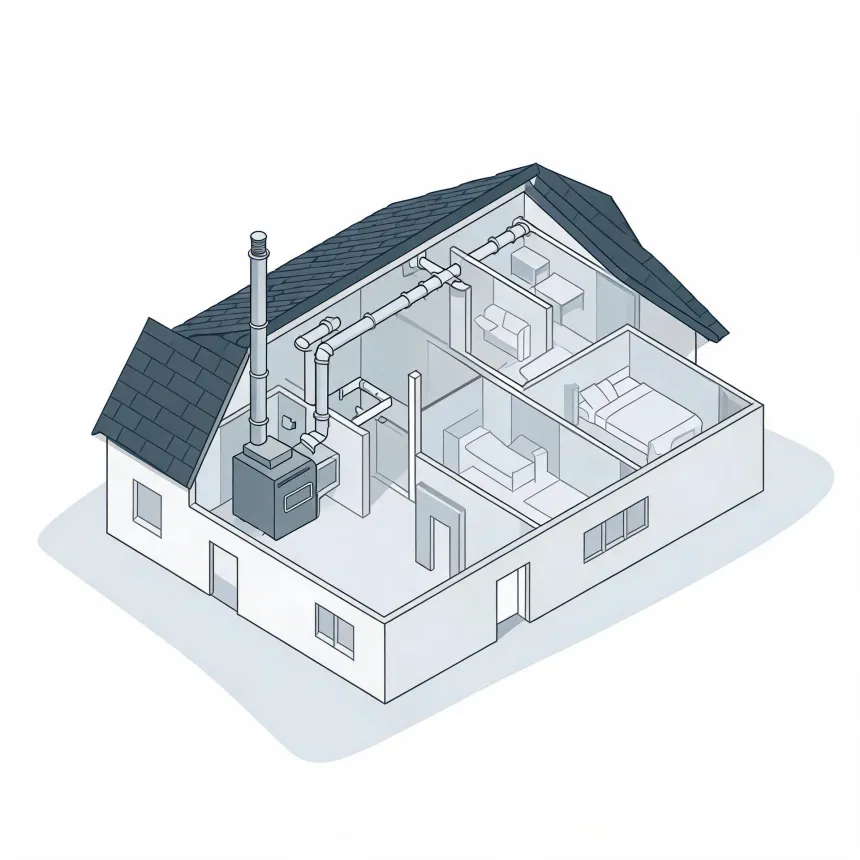
NOAA nClimDiv, 1991–2020 normals
Electricity in Oklahoma runs $35.86 per million Btu, cheaper than most states.
A high-efficiency furnace still costs more up front, and it will take longer here to earn that back.



Most homes in Sequoyah County heat with electricity, 64.4 percent of them. Gas comes in second, at 20.7 percent. If your house already runs on electricity, a straight swap keeps the job simple, no gas line to run, no venting to add for combustion exhaust. If yours is a gas-heated home, that setup is less common here but still ordinary, and parts and service for gas furnaces are easy enough to find in this area. Either way, the fuel already running to your house is usually the one worth sticking with.
Furnace here runs about seven months a year, October through April, and overnight lows average 31°F through the coldest stretch. That's real cold, but it's not extreme cold, and the system isn't working against much worse than that most winters. A furnace built to match that job doesn't need to be the highest-efficiency model on the lot to hold up.
Find a contractor
October through April, that's the job this furnace does, and most nights it isn't fighting much past 31°F. A system sized right for your house will hold up fine over that stretch without being the highest-AFUE model in the showroom. Where it earns its keep is in the sizing and the install, not the sticker number.
A contractor should size a furnace from a load calculation, a room by room look at the house, not just the square footage or a match to the old unit. If nobody mentions a load calculation, ask for one before you compare any numbers on paper.
Furnace warranties usually split the parts, covered by the manufacturer, from the labor to install them, covered by whoever does the job. A heat exchanger warranty that runs for years means little if the labor coverage runs out long before that, and you're paying someone to open the unit back up.
A quote for a furnace install covers more than the box with the burners in it. There's the ductwork it ties into, and if those runs are undersized or leaky, a contractor may need to modify them before the new unit can perform the way it's rated to. There's the venting, which has to match how the furnace exhausts, and that piece looks different across efficiency levels. There's the electrical hookup, the thermostat, and the condensate drain if the unit produces one. Labor is its own line, and it reflects how much of the existing setup can stay versus how much has to be rebuilt to code. Furnaces with the same rating on the sticker can land at different totals once a contractor sees what's actually behind your walls.
Install day starts with the old furnace coming out, and that alone can take a couple hours if the ductwork or venting around it has to be disturbed to get it clear. Once the new unit is set in place, the work is mostly connections. Ductwork gets sealed to the cabinet, venting gets run and pitched the way that furnace needs it, the gas line gets connected and pressure tested, electrical gets hooked up, thermostat wire gets landed. A contractor will fire it up and check the flame, the temperature rise across the heat exchanger, and the airflow before calling it done. Expect some noise and some doors propped open while that happens. Before anyone leaves, someone should walk you through the thermostat and tell you what the filter needs and how often, not just hand you a manual on the way out.