


What happens on a cold night here
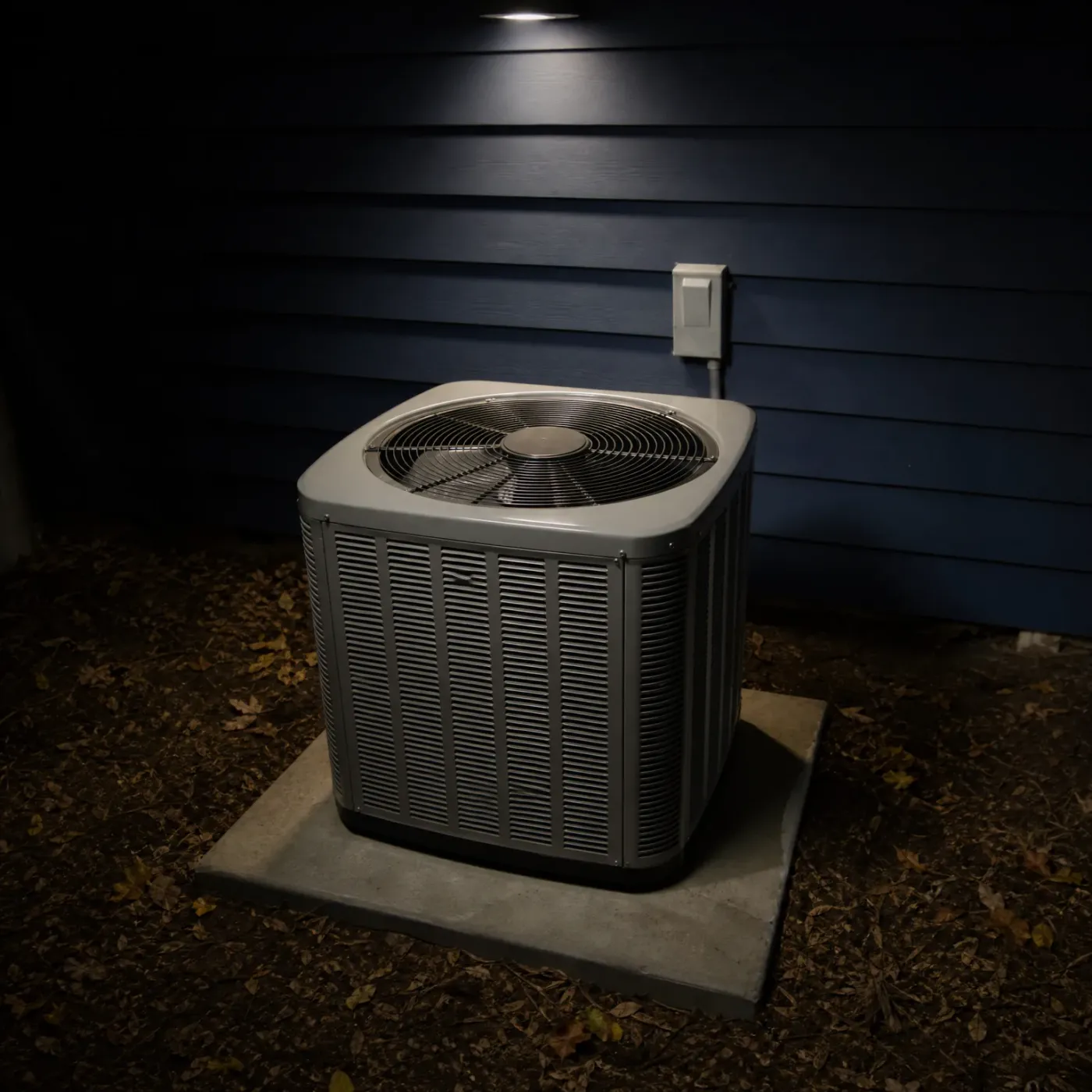
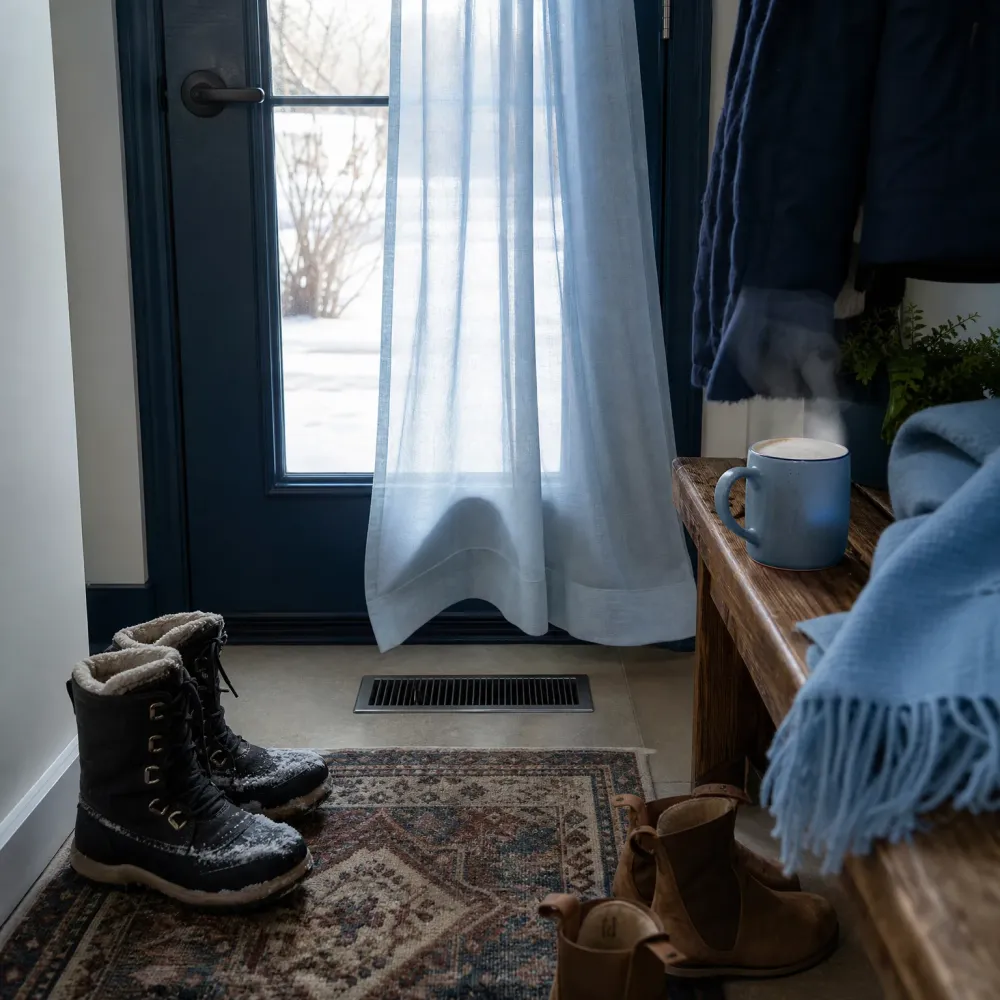
Marshall County winters are mild, but not mild enough to let a standard heat pump work alone. The average overnight low from December through February is 34°F. A standard heat pump's output falls short of its rating once it drops below 40°F, and it often needs backup heat below about 35°F. That means on an average winter night here, a heat pump is already working below both marks.
That's not a rare event. About 60 nights a year here fall to 32°F or below, under half the roughly 150 nights in the heating season, but enough that it happens routinely through a normal winter, not once or twice.
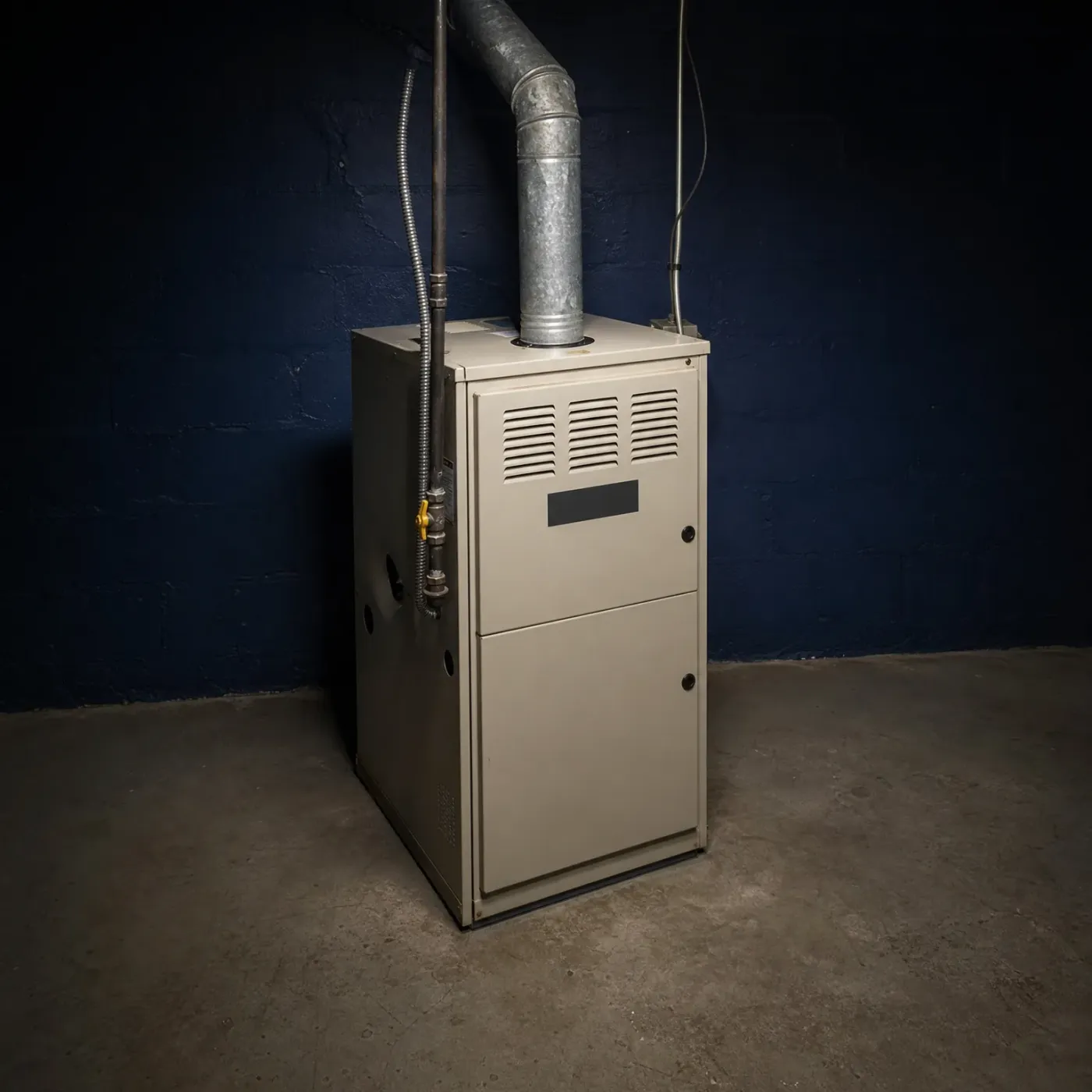
The other side of that is how rarely it gets truly cold. Fewer than one night a year here drops to 0°F or below. The cold-climate heat pumps built to hold onto most of their capacity at 5°F are answering a problem this county mostly doesn't have. Backup heat here, a heat strip or a furnace paired with the heat pump, is covering nights in the low thirties and upper twenties, not nights near zero. In field tests of cold-climate heat pumps, backup heat covered only a small share of the load between 0°F and 35°F, and running on backup alone was rare above 0°F. A standard heat pump sized for this county, with backup ready for the nights at or below freezing, is working with the climate here, not against it.